Monthly Archives

October 2026

O peixe no menú

By | Events | No Comments

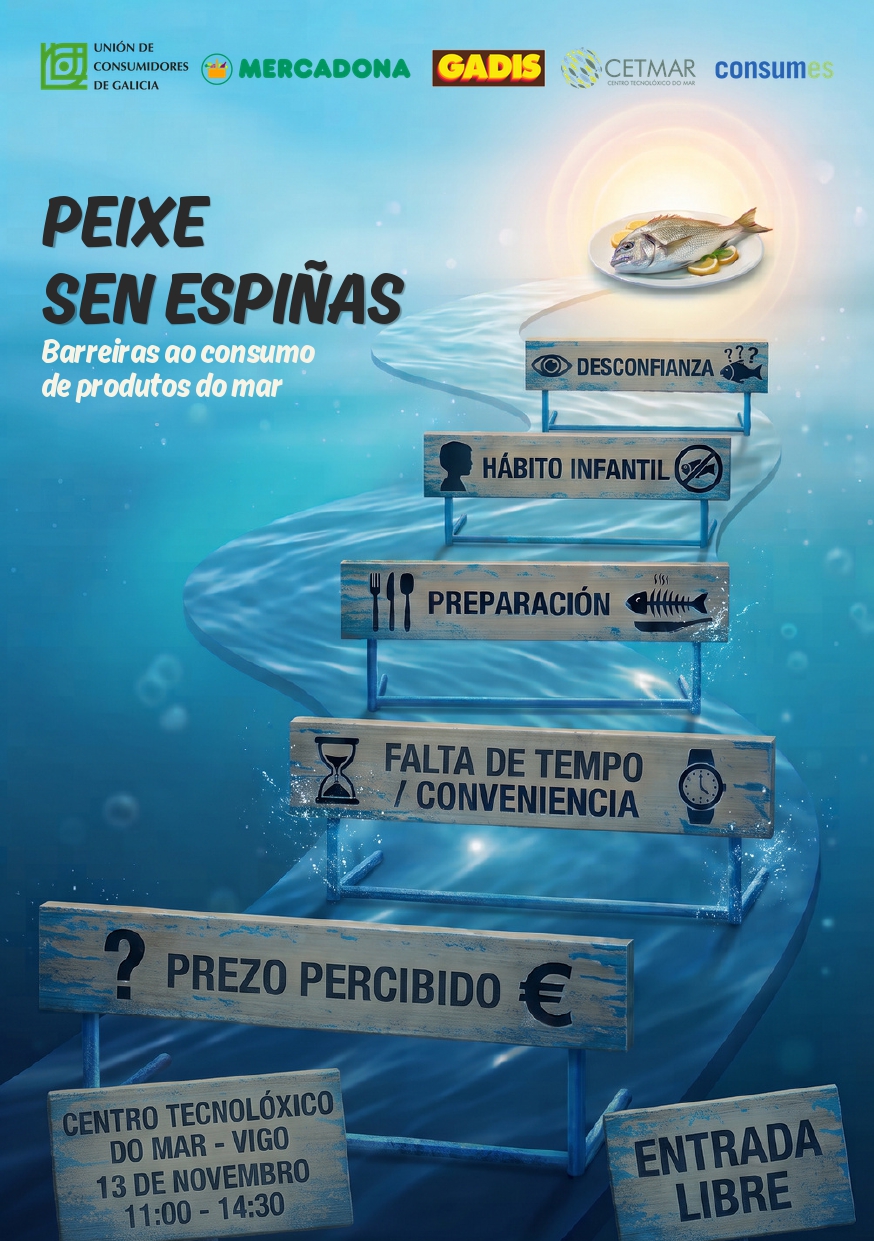
CETMAR acolle a xornada “Peixe sen Espiñas”, un debate sobre as barreiras ao consumo de produtos do mar nos fogares organizado por UCGAL

  • A cita terá lugar o 13 de novembro na sede do Centro Tecnolóxico do Mar en Vigo organizada pola Unión de Consumidores de Galicia, que reunirá a expertos para analizar os motivos que afastan o peixe da alimentación cotiá

A sede do Centro Tecnolóxico do Mar (CETMAR) en Vigo acollerá o vindeiro 13 de novembro a xornada «Peixe sen espiñas. Barreiras ao consumo de produtos do mar», un encontro organizado pola Unión de Consumidores de Galicia (UCGAL) en colaboración con Mercadona, Gadis e a Consellería do Mar, que reunirá voces de ámbitos habitualmente afastados entre si para analizar por que as persoas consumidoras atopan cada vez máis obstáculos á hora de incorporar o peixe á súa alimentación.

Galicia é unha das grandes potencias pesqueiras de Europa, cunha actividade económica, social e cultural profundamente vinculada ao mar. Con todo, a relación da cidadanía co peixe está a cambiar. A falta de tempo para cociñar, a percepción de que é un alimento caro, as dificultades para preparalo ou o rexeitamento entre os máis pequenos son algunhas das barreiras que condicionan a súa presenza nos fogares. Pero ata que punto responden a dificultades reais e canto teñen que ver cos hábitos, as percepcións ou a falta de información?

Para abordar estas cuestións, esta iniciativa propón cambiar o enfoque tradicional do debate. En lugar de centrarse exclusivamente nas propiedades nutricionais do peixe ou na necesidade de promover o seu consumo, a xornada buscará identificar que está a impedir realmente que chegue con maior frecuencia ás mesas dos fogares e que respostas poden ofrecer os distintos actores implicados.

O encontro reunirá a representantes da administración, do sector pesqueiro, da industria alimentaria, da distribución, da comunidade educativa, das familias e da divulgación científica e gastronómica. Unha confluencia de perspectivas especialmente relevante en Galicia, onde o peixe forma parte da identidade alimentaria e cultural, pero onde tamén se  manifestan os cambios nos hábitos de compra, na organización familiar e nas preferencias das novas xeracións.

Do prezo ás espiñas: catro barreiras para entender o consumo de peixe

A xornada comezará cunha análise da evolución do consumo de peixe nos fogares a cargo de María Isabel del Río Viqueira, secretaria xeral do Instituto Galego de Estatística (IGE), que permitirá contextualizar o debate a partir dos datos e identificar as principais tendencias.

A partir desta radiografía, o programa estruturarase arredor de catro grandes barreiras que condicionan as decisións de compra e consumo. A primeira delas será a falta de tempo e as dificultades para preparar o peixe. Nun contexto marcado polos cambios nos horarios, pola procura de alimentos fáciles de cociñar e pola perda progresiva de determinadas habilidades culinarias, o encontro analizará ata que punto a limpeza, as espiñas, os olores ou o descoñecemento das receitas condicionan a elección deste alimento. Neste diálogo participarán Carmen Albo, divulgadora gastronómica coñecida nas redes sociais como Guisándome la vida; Leticia Pérez, estudante; Roberto Alonso, secretario xeral de Anfaco – Cytma e Julio Simarro, conselleiro delegado de Congalsa.

O segundo bloque abordará unha das cuestións máis sensibles para as persoas consumidoras: o prezo percibido do peixe. O debate tratará de esclarecer a distancia que pode existir entre o custo real e a percepción de que se trata dun produto caro, analizando cuestións como o prezo por ración fronte ao prezo por quilo, a diversidade de especies dispoñibles ou as alternativas máis económicas.

Nesta mesa participarán Basilio Otero, presidente da Federación Nacional de Confrarías de Pescadores; Gonzalo Rodríguez, profesor de Economía Aplicada da Universidade de Santiago de Compostela (USC), e Jordi Soriano, director de Cadea Alimentaria para a Comunitat Valenciana, a Rexión de Murcia e Madrid de Mercadona. Tres perspectivas diferentes —a produción, a análise económica e a distribución— para abordar unha das principais preocupacións dos consumidores á hora de mercar peixe.

A terceira barreira situará o foco na infancia e na transmisión dos hábitos alimentarios. Por que moitos nenos e nenas rexeitan o peixe? Que papel desempeñan os comedores escolares? Como inflúen as familias na adquisición destes hábitos? Estas preguntas centrarán un diálogo no que participarán Rocío García, secretaria de Slow Food Compostela, e Rogelio Carballo, presidente da Confederación Galega de Asociacións de Nais e Pais de Alumnos (CONFAPA).

Finalmente, a xornada abordará a desconfianza, os mitos e a desinformación arredor do peixe, unha cuestión cada vez máis presente nas decisións de consumo. A frescura, a seguridade alimentaria, a orixe, a trazabilidade, a etiquetaxe ou os bulos que circulan polas redes sociais serán algúns dos asuntos que analizarán Paula Carrera, directora de Kómoda News, e Rafael Urrialde, vicepresidente da Real Academia Europea de Doutores.

O encontro, de entrada libre, está dirixido a profesionais do sector pesqueiro e alimentario, representantes das administracións, organizacións de consumidores, comunidade educativa e persoas interesadas na alimentación e no consumo responsable.

«Peixe sen espiñas. Barreiras ao consumo de produtos do mar» celebrarase o 13 de novembro de 2026, a partir das 11.00 horas, no Centro Tecnolóxico do Mar (CETMAR), en Vigo.
Programa

ESPARDE project

By | What's new | No Comments

CETMAR and representatives of the small-scale fisheries of northern Galicia analyse in Burela the effects of marine conservation and planning measures

  • Together with the University of Oviedo and the IEO/IEO-CSIC, CETMAR is facilitating dialogue at the first working meeting for the Galicia pilot project, included in the ESPARDE project.

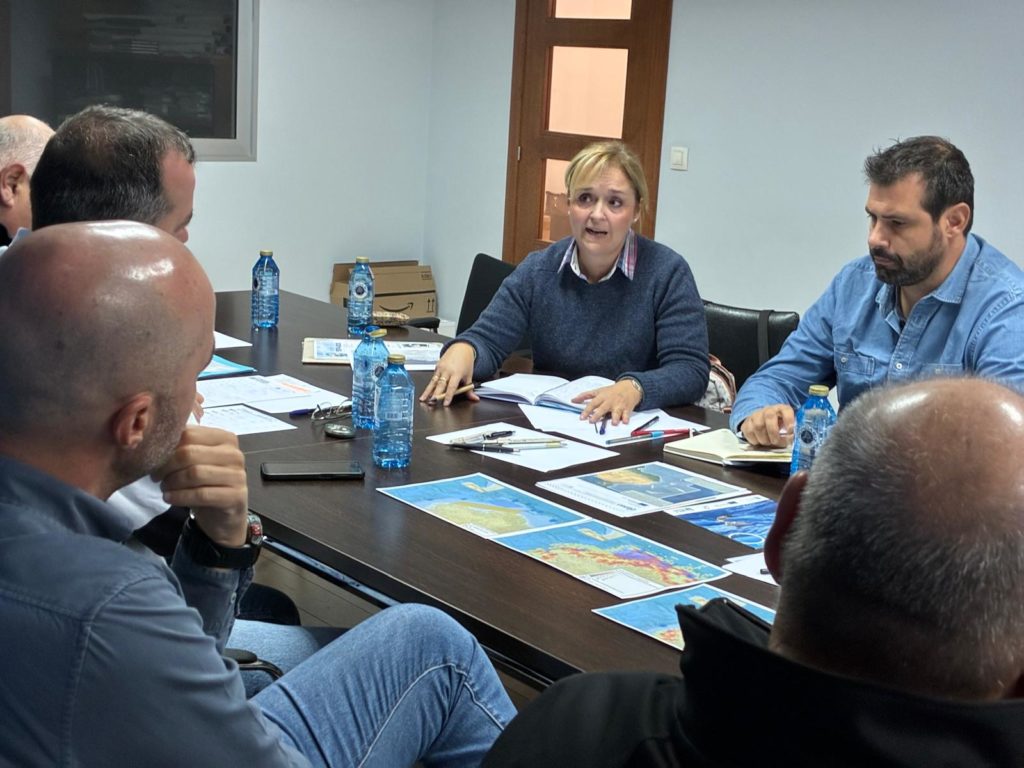
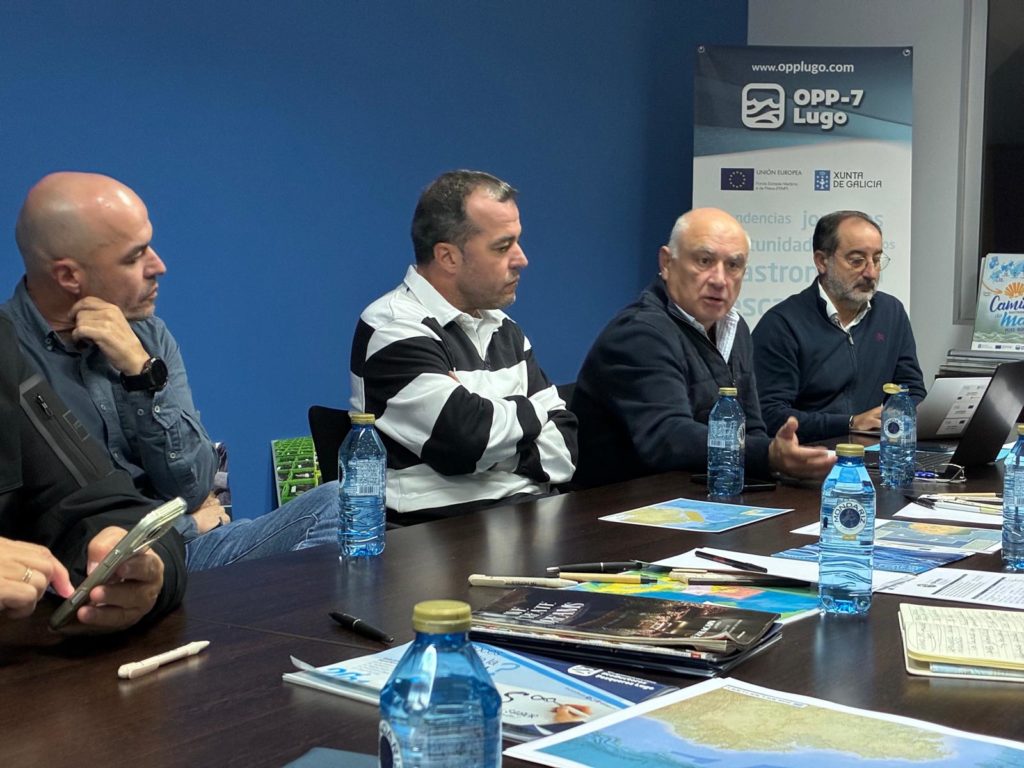
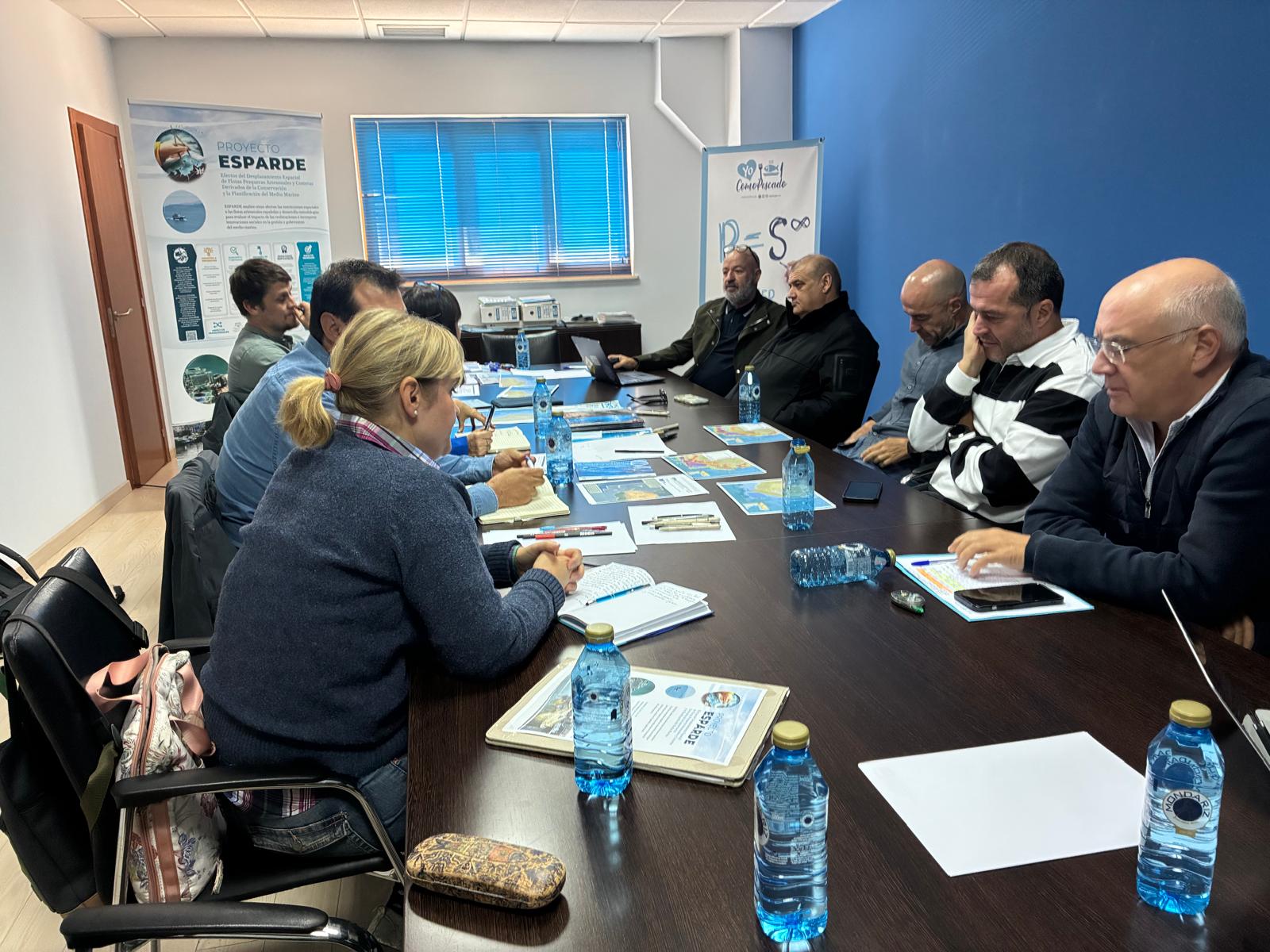
Representatives from the fishing industry and organisations involved in ESPARDE– ‘Effects of the spatial displacement of small-scale and coastal fishing fleets as a result of marine conservation and spatial planning’ – met today at the headquarters of the Lugo Fishers’ Producers’ Organisation in Burela, to discuss on the effects of marine conservation and planning measures on small-scale fishing fleets in northern Galicia.

The session, organised by CETMAR, dependant of the Regional Ministry of the Sea, set the foundations for ongoing collaboration between researchers and the industry. This first meeting of the Galicia pilot project gathered, in addition to some project partners, the president of the Provincial Federation of Fishers’ Associations of Lugo, Basilio Otero; the manager of the Burela OPP, Sergio López; and representatives from the trawl and purse seine fisheries

After a welcome and an overview of the fishing industry in Galicia by Jose L. Santiago, coordinator of the CETMAR’s Fisheries Socio-Economics unit, Laura García de la Fuente, coordinator of ESPARDE and a researcher in Applied Economics at the University of Oviedo, presented the project and its scope, along with three pilot cases: in Asturias, Cantabria and Galicia. Next, Marta Ballesteros, a senior scientist at the IEO/IEO-CSIC, laid the foundations for collaboration between researchers and the industry, describing the specific case of Galicia and initiating a discussion that highlighted the needs of fishers and vessel owners.

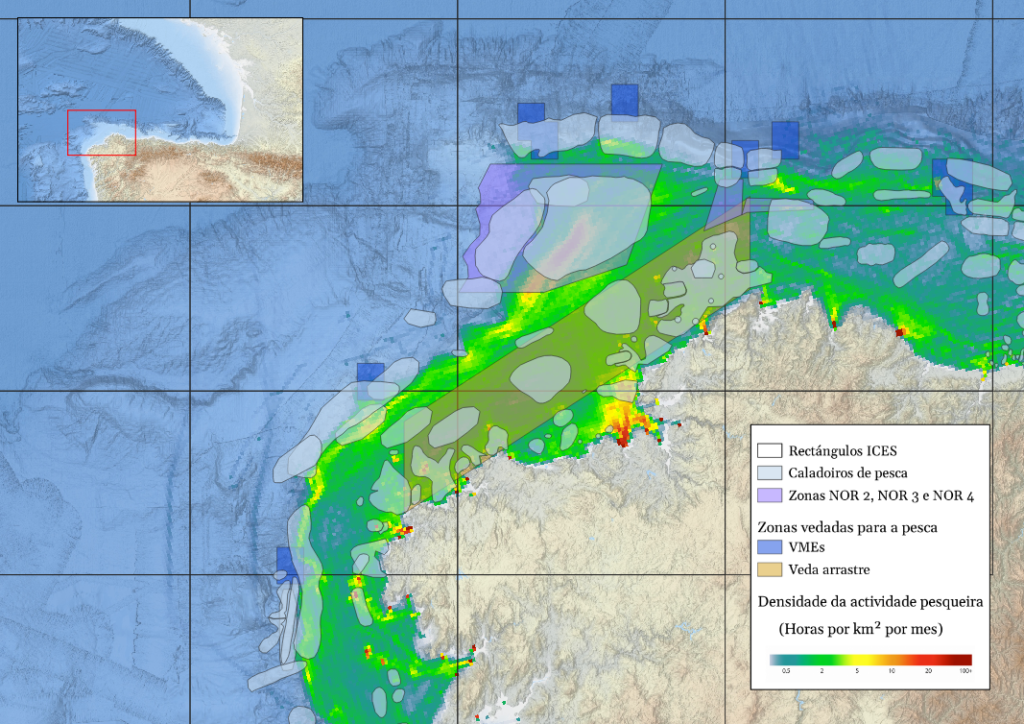
The Galician ESPARDE pilot project covers the North Atlantic zone, to study the impacts from the coexistence of Vulnerable Marine Ecosystems (VMEs) and the uses defined in the Maritime Spatial Plan. Among other, they talked about the priorities and concerns of the fleets. Given that the study area in Galicia includes zones with potential for offshore wind energy (NOR2, NOR3 and NOR4), particular emphasis was placed on these.

In this context, CETMAR and its partners focused on ESPARDE’s potential to generate evidence applicable to the industry’s needs thus responding to its operational and socio-economic situation. They stressed the sector active collaboration with first-hand data and information, allowing for the prediction of short- and medium-term scenarios and, consequently, improving the analysis, assessment and management of potential relocations and spatial restrictions.

Industry representatives highlighted the main problems they are facing, such as the cost of fuel, temporary or permanent fishing bans, and the future of offshore wind power.

They also emphasised the highly variability of Galician fleets’ movements, since a vessel can be in a different location in less than 24 hours. This means that if the socio-economic impacts of these movements can be measured, the authorities will be confronted with data going beyond the number of landings (times, productivity, vessels concentration in a given area, etc.), enabling informed decisions with less impact on the sector.

At the end , it was agreed to hold further meetings to collect data, discuss progress on ESPARDE  – described as ambitious and promising – and propose appropriate management measures.

ESPARDE Project

As part of the Pleamar 2025 Programme, the ESPARDE project analyses how measures to protect and manage the marine environment influence the relocation of small-scale and coastal fisheries in the Cantabrian Sea, and the sustainability of fishing communities. The aim is to gain a better understanding of the social, economic and environmental effects of the relocation of small-scale fleets as a result of spatial restrictions in fishing grounds.

ESPARDE focuses on vessels based in Galicia, Asturias and Cantabria, particularly those operating in areas subject to current or future restrictions. The project addresses one of the main challenges of fisheries policy: how conservation measures alter fishing patterns and shape the activity of small-scale fleets.

Cooperation in support of marine conservation

By | What's new | No Comments

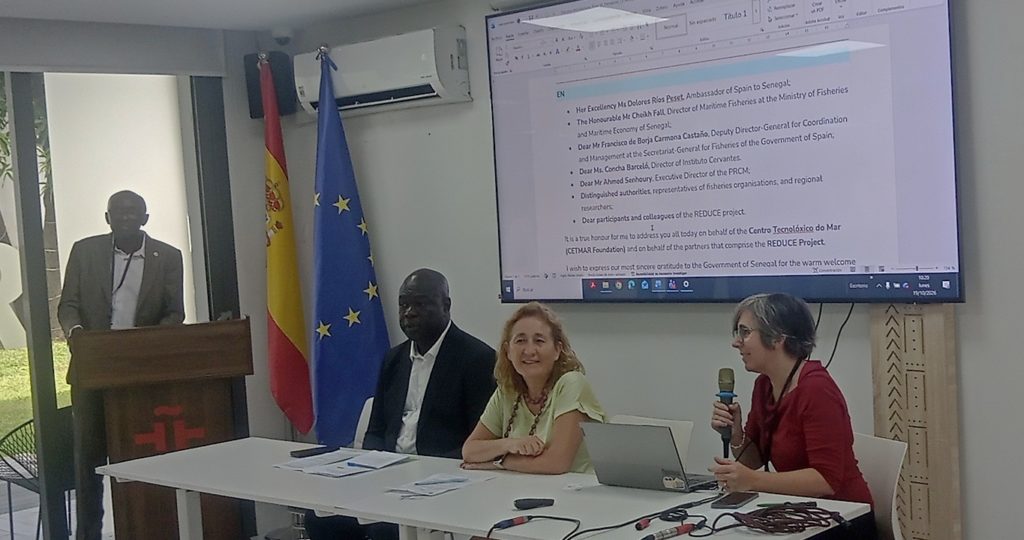
Within the REDUCE project, CETMAR is coordinating an international training programme in Senegal to reduce the bycatch of threatened marine megafauna

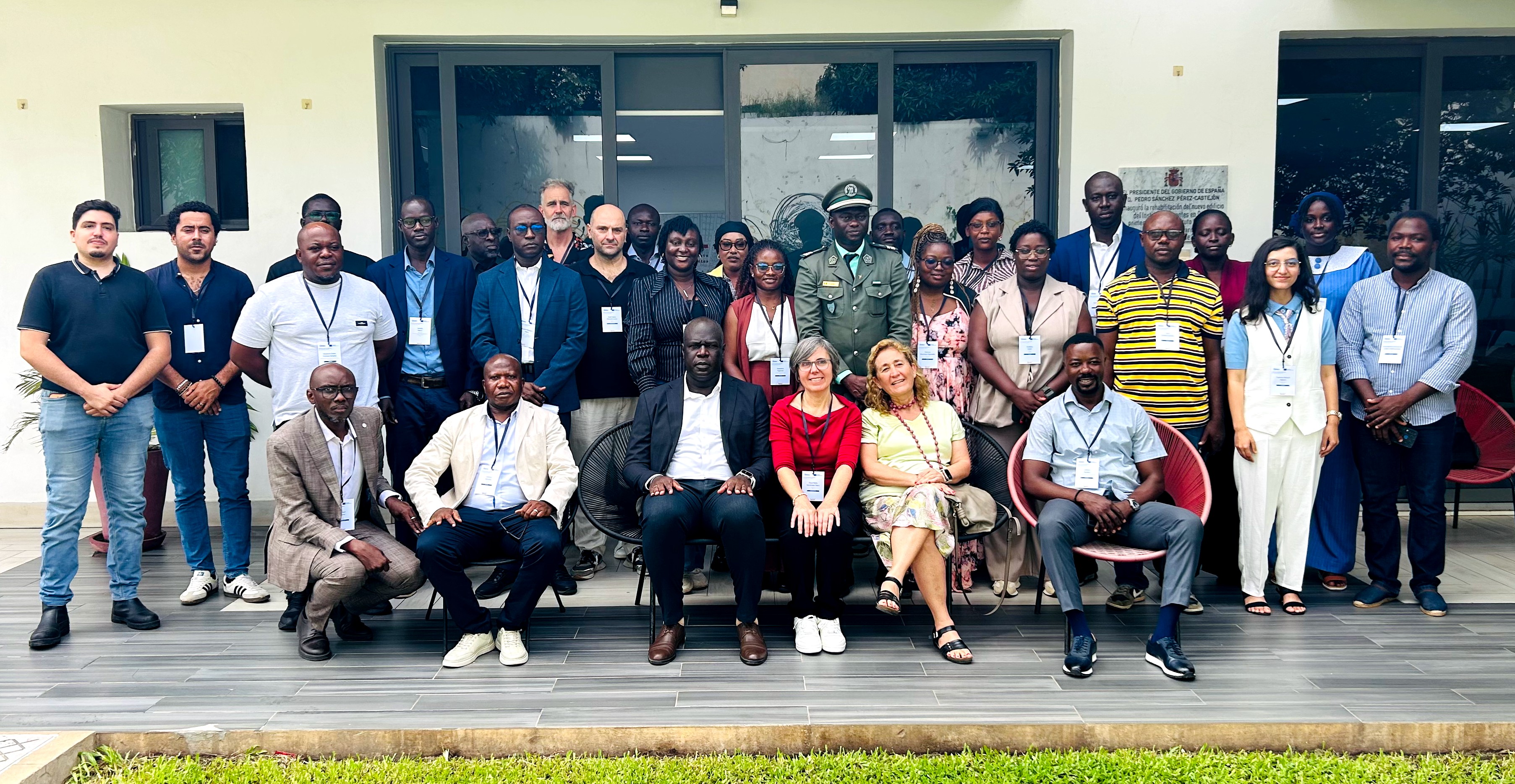
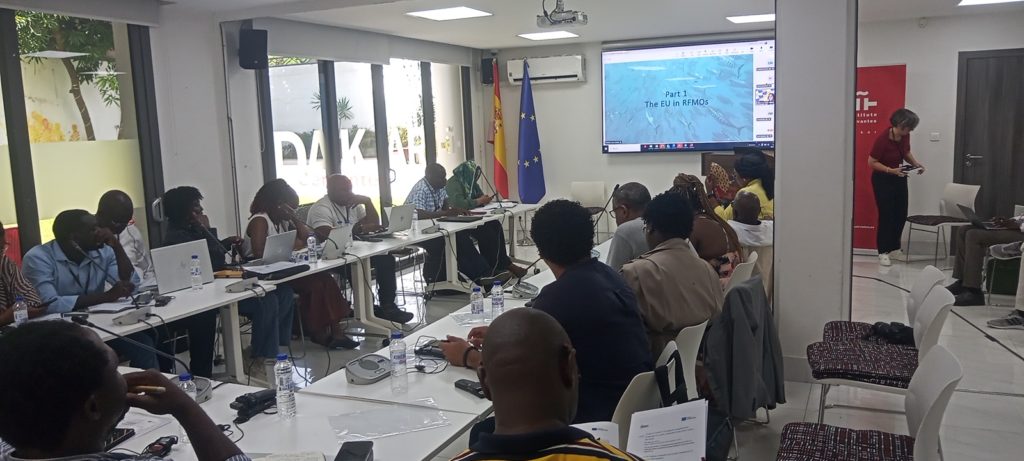
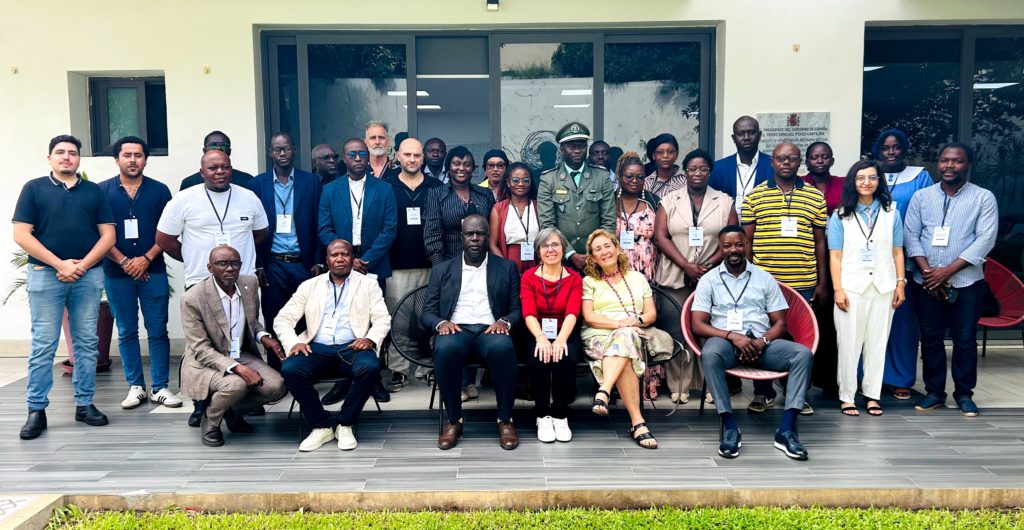
  • The foundation, dependant on the Regional Ministry of the Sea, is leading a workshop in Dakar bringing together around thirty specialists from 12 African countries to improve the monitoring and mitigation of bycatch in the region

CETMAR is organising and coordinating an international workshop to strengthen technical and scientific capacities of African professionals in the prevention and reduction of by-catch of threatened and protected marine megafauna.

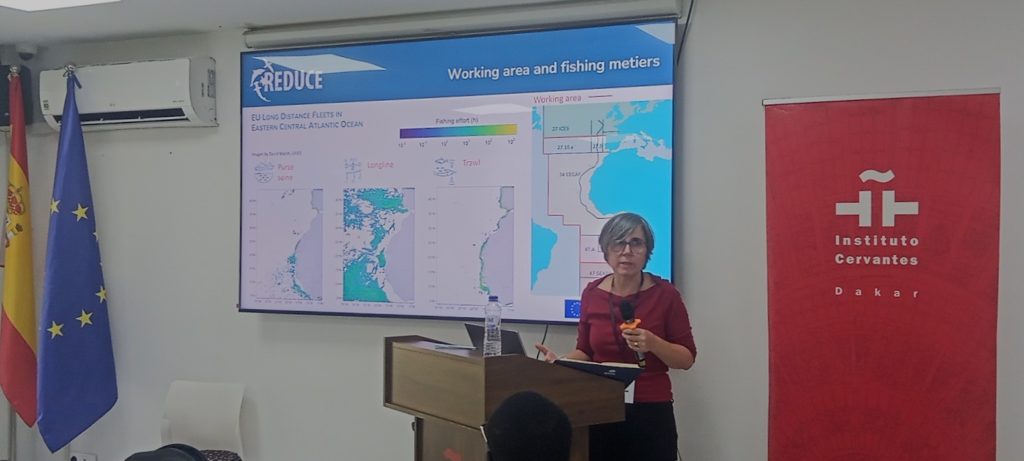
The event, taking place this week at the Cervantes Institute in Dakar, is organised in collaboration with the General Secretariat for Fisheries of the Spanish Ministry of Agriculture, Fisheries and Food, with the support of the Spanish Embassy, and is part of the European REDUCE project, coordinated by the University of Barcelona

The workshop ‘Reducing marine megafauna bycatch in north-western African fisheries: advancing monitoring, mitigation and sustainability’, brings together around thirty professionals from 12 coastal countries in Central and North-West Africa. Participants include fisheries experts, marine environment specialists, staff from fisheries management bodies, research centres, universities and non-governmental organisations.

Coordinating the event, CETMAR contributed to the design and development of the content and to the engagement of countries in the region. It worked in collaboration with the institutions participating in REDUCE, a European project funded by the Horizon Europe programme, gathering scientific bodies and specialist organisations to advance the reduction of by-catches of protected marine species in the central-eastern Atlantic fisheries.

The programme combines theory and practical sessions by internationally renowned specialists. The content covers topics such as fisheries governance, electronic monitoring of fisheries, conservation of marine biodiversity, assessment of the impact of fishing on protected species, and measures to prevent and mitigate by-catches.

It aims at improving the professionals’ ability to identify, monitor and reduce by-catches of marine megafauna, one of the main threats to protected species groups such as cetaceans, seabirds, turtles and sharks.

International cooperation serving marine conservation

This workshop strengthens collaboration between scientific institutions, fisheries management bodies and specialist organisations in Europe and Africa. It also highlights the importance of international cooperation and the exchange of knowledge in solutions that reconcile fishing activities with the conservation of marine biodiversity.

The initiative is also included in the REDUCE project (Reduction of by-catches of threatened megafauna in the Central-Eastern Atlantic), which aims to improve scientific knowledge, monitoring capabilities and mitigation measures of by-catches of threatened marine megafauna in the waters of the Central-Eastern Atlantic.

As partners of REDUCE, the Institute of Marine Research-CSIC and the University of Santiago de Compostela are collaborating on this initiative, alongside the University of Barcelona, BirdLife International, the Interdisciplinary Centre for Marine and Environmental Research at the University of Porto, and the Regional Partnership for the Conservation of the Coastal and Marine Zone (PRCM).

Back to Peru

By | What's new | No Comments

CETMAR returns to Sechura to work with the Peruvian government towards more profitable and environmentally friendly small-scale fisheries and aquaculture.

  • An agreement with the Regional Department of Presidency, Justice and Sports of the Xunta (Galicia government) drives this new project, building on the activities to strengthen both sectors, carried out during the previous Mar de Piura Project.

CETMAR _depending on the Regional Ministry of the Sea_ and Peru’s Ministry of Production renew their collaboration with the launch of the project “Promoting Sechura’s Blue Economy through resilient, competitive and sustainable growth in the fisheries and aquaculture industry of Sechura Bay” (Sechura Azul).

The contribution to the environmental and productive sustainability of livelihoods and communities into the aquaculture and small-scale fishing industry in Sechura Bay (Peru) is the core goal. To this end, CETMAR will be supported by the Peruvian Government through different institutions related to the sector.

Sechura Azul focuses on making small-scale fishing and aquaculture in Sechura more profitable and more marine-friendly activities, promoting equality and giving women a leading role in the management of hydrobiological resources to improve their income. The strategy of the project, funded by the Xunta de Galicia through Cooperación Galega, is structured around three key outcomes.

Firstly, it aims to improve environmental sustainability, productivity and management capacity in abalone aquaculture farms in Sechura Bay. The project will work to optimize the production of scallop seed stock, ensuring quality and quantity, and to monitor oceanographic parameters promoting the farming of this bivalve in the natural environment, by sampling protocols and early-warning systems for environmental conditions.

Secondly, the project will focus on women-led trade associations for small-scale fisheries products. Training will be organised with the support of associations that previously received training through initiatives developed by CETMAR in the area, such as ACUIPESCA, VerTyCe and MARdePiura.

To achieve this outcome, knowledge will be transferred between associations, capacities will be strengthened, and greater emphasis will be placed on a feminist approach into operational and working standards to improve the traceability of products, building greater confidence among potential buyers.

Finally, the third expected outcome is institutional strengthening of the governance of fisheries and aquaculture resources in northern Peru. The actions proposed target technical staff from the Ministry of Production, such as the Directorates-General for Fisheries and Aquaculture, the National Fisheries Development Fund (FONDEPES) and the Peruvian Institute of the Sea (IMARPE). The project plans technical exchanges between Galicia and Peru to foster inter-institutional coordination and encourage a working strategy to improve the guidelines governing aquaculture and small-scale fishing.

First steps

The proposal for this year, based on needs previously identified in earlier projects implemented by CETMAR in the region, focuses on the profitability and sustainability of the value chains for small-scale fisheries and aquaculture, adopting a feminist approach.

Accordingly, an initial training targeted at workers from the Social Organisations of Artisanal Fisherfolk (OSPAS) is planned to be launched in October.  CETMAR will send two international experts to deliver theory and practical training on scallop farming productivity, and assist in designing a plan for monitoring and evaluating aquaculture activities.

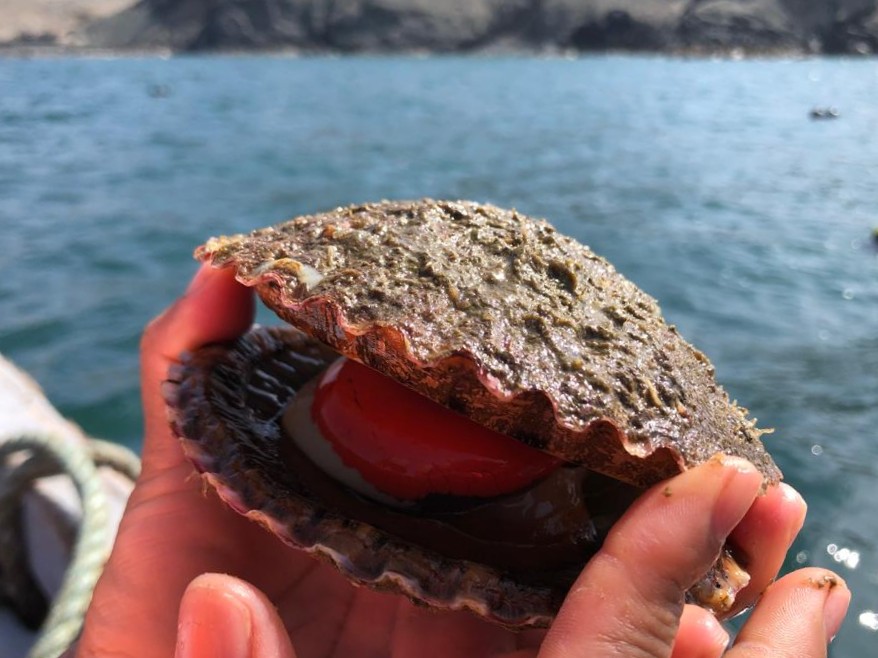
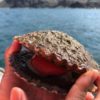
Scallop

The training intends to strengthen the capacities of the OSPAS in a climate context exacerbated by the expected effect of El Niño on the Peruvian coast over the coming years. This initiative will positively impact on the resilience of these organisations in response to climatic events, leading to improved preventive and recovery measures for scallop farming once normal conditions are restored.

Economía azul

By | What's new | No Comments

A Xunta expón en Barcelona a súa Estratexia de Economía Azul como modelo sostible que conecta o coñecemento co territorio

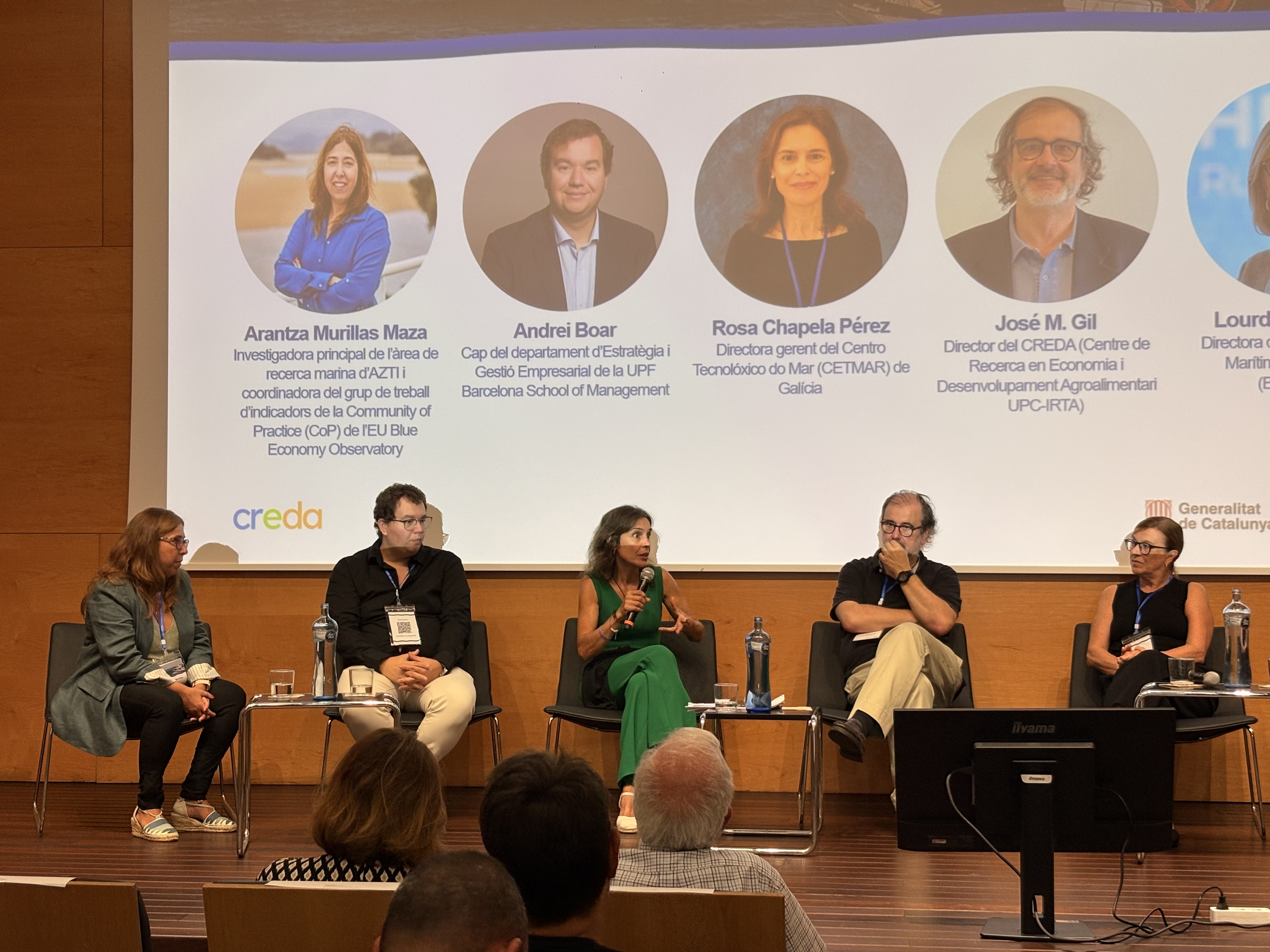
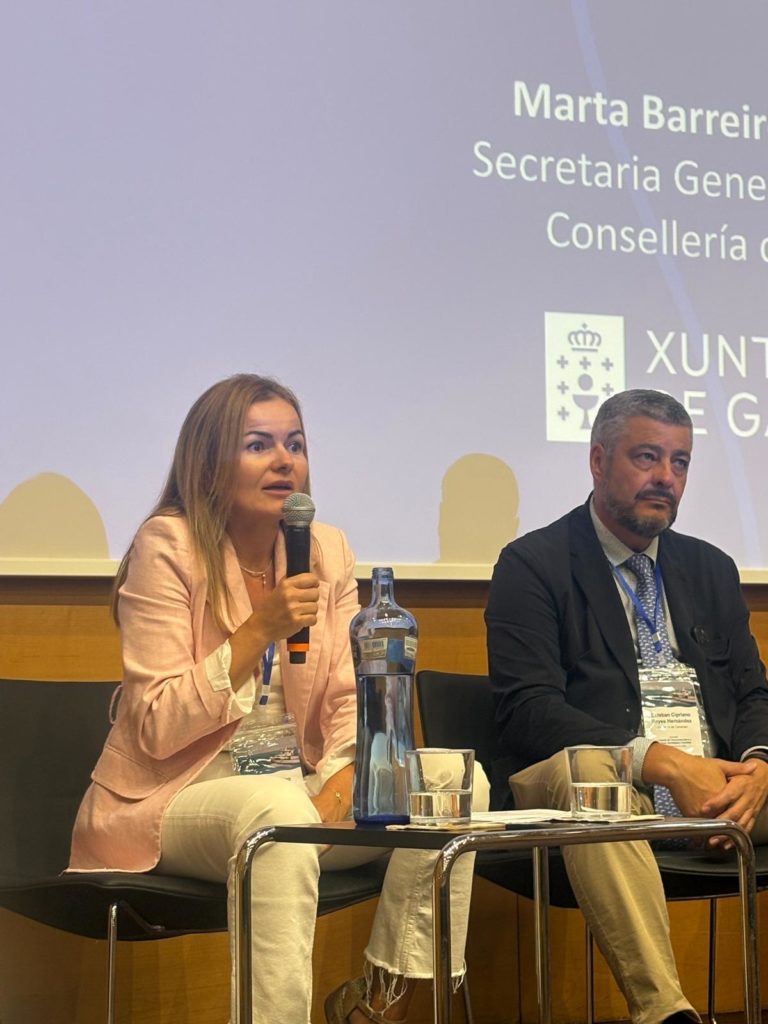
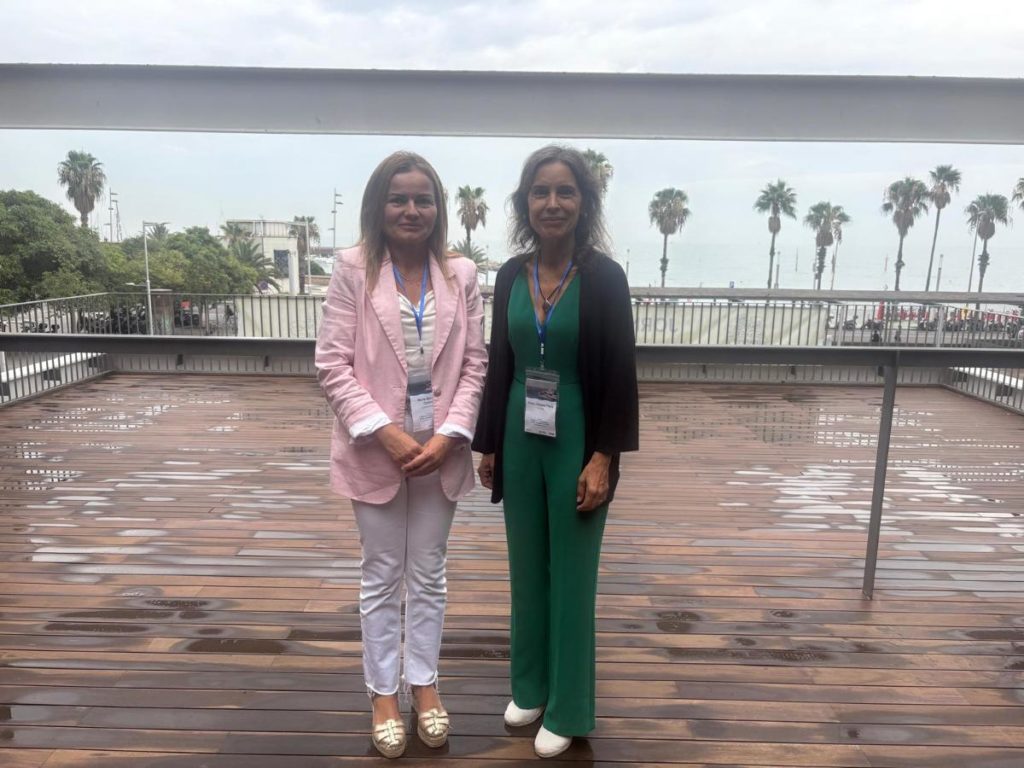
  • A secretaria xeral técnica da Consellería do Mar, Marta Barreiro, e a directora de CETMAR, Rosa Chapela, participaron na xornada europea O impulso da economía azul en Europa: estratexias e resultados
  • A folla de ruta galega conta con máis de 114 millóns de euros e 40 accións estratéxicas, apoiándose na Oficina Técnica xestionada por CETMAR e en ferramentas como os GALP e o Plan de Cultura Marítima

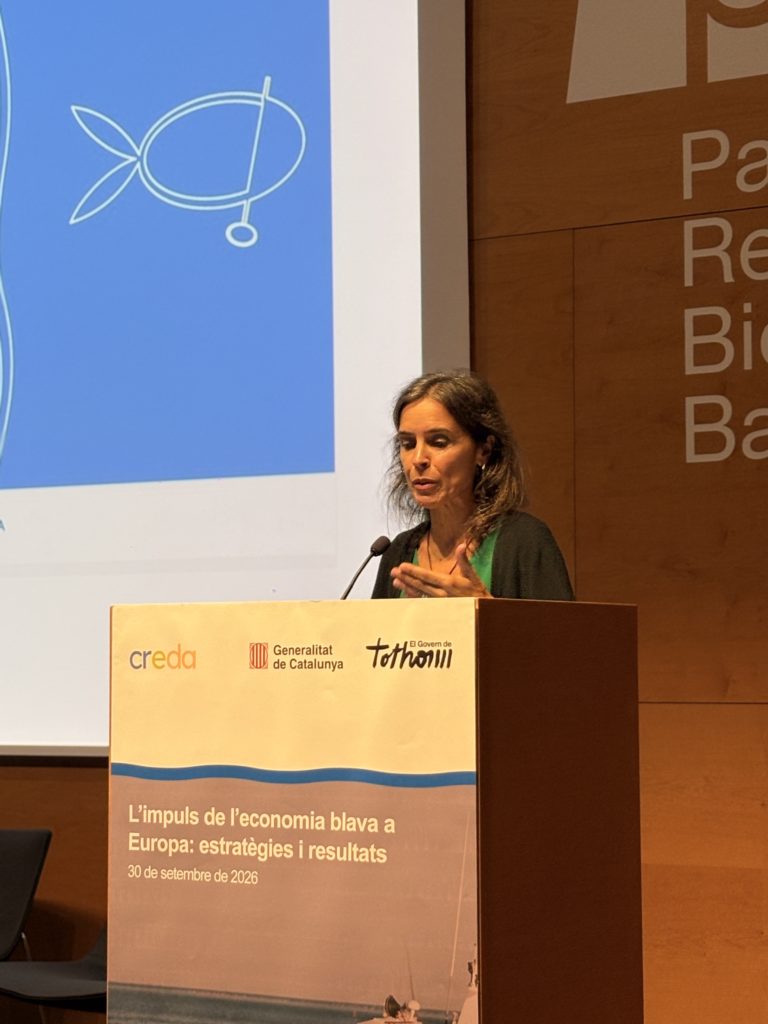
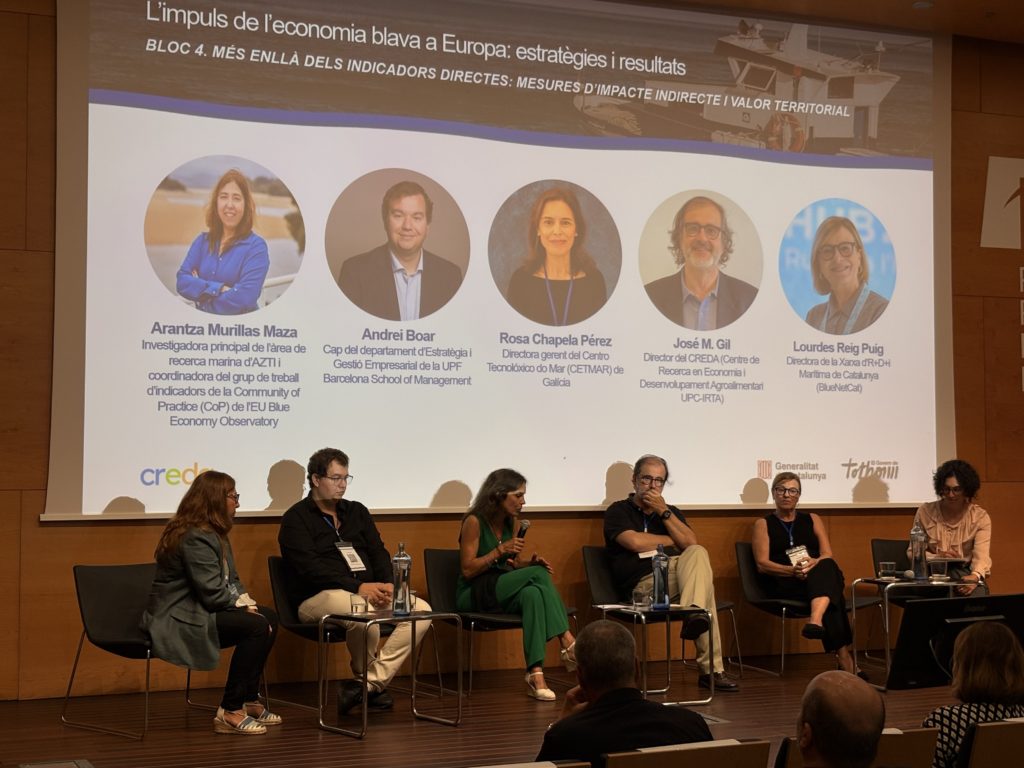
A secretaria xeral técnica da Consellería do Mar, Marta Barreiro, e a directora-xerente de CETMAR, Rosa Chapela, participaron en Barcelona na mesa redonda Estratexias rexionais de Economía Azul’, dentro da xornada europea O impulso da economía azul en Europa: estratexias e resultados, celebrada no Parque de Investigación Biomédica.

Durante este foro, Barreiro debullou as liñas mestras da Estratexia de Economía Azul de Galicia 2024-2027, un instrumento transversal dotado con máis de 114 millóns de euros e 40 accións estratéxicas que involucra a 20 entidades para avanzar cara a un modelo de crecemento marítimo baseado na sustentabilidade ambiental, na protección da biodiversidade e na innovación tecnolóxica.

Durante a súa intervención, a representante autonómica salientou que Galicia non parte de cero, senón dunha realidade marítima consolidada e diversa que abrangue a pesca, o marisqueo, a acuicultura, a transformación mar-industria, a loxística portuaria, o turismo e o patrimonio costeiro. Marta Barreiro subliñou que “o verdadeiro reto da economía azul non consiste en engadir novas actividades sen máis, senón en conectar mellor o tecido que xa temos, facelo máis sostible e competitivo e preparalo para o futuro».

A secretaria xeral técnica incidiu na gobernanza da estratexia canalizada a través dun Consello Rector multidepartamental e da Oficina Técnica operada polo Centro Tecnolóxico do Mar (CETMAR) para monitorizar indicadores e avaliar resultados continuos. Ademais, remarcou a importancia de que a planificación estratéxica chegue de forma efectiva ás vilas costeiras mediante instrumentos con arraigo local.

Neste eido, puxo como exemplos o Plan de Cultura Marítima de Galicia Horizonte 2030 -desenvolvido coa Universidade da Coruña- e o papel dos Grupos de Acción Local do Sector Pesqueiro (GALP), que levan mobilizados 322 proxectos cun investimento superior aos 45 millóns de euros para xerar emprego, diversificación e dinamización socioeconómica. «A economía azul non se constrúe unicamente mirando cara ao mar, senón desde os propios territorios e comunidades que viven del», concluíu.

Por outra banda, no bloque dedicado aos impactos indirectos e ao valor territorial da economía azul, a directora-xerente de CETMAR, Rosa Chapela, interviu para falar dese impacto nos territorios e rexións de Galicia. Máis alá das repercusións directas no PIB, na pesca e na produción, a máxima responsable do Centro Tecnolóxico do Mar, dependente da Consellería do Mar, destacou a importancia de calcular o que non se reflicte habitualmente nas cifras de produción, como o valor que xera no territorio, a súa resiliencia, a interconexión destas actividades principais con outras e o impacto indirecto ou inducido da economía azul nas rexións galegas.

Dado que non existen indicadores que cuantifiquen estes datos, Rosa Chapela esbozou exemplos de metodoloxías e seguimento que está a implementar a Consellería do Mar a través do impacto territorial e socioeconómico dos proxectos dos Grupos de Acción Local Pesqueiros (GALP), as táboas de entrada-saída da pesca e a industria conserveira en Galicia -que tamén cuantifican os impactos indirectos- e a valoración económica de sectores esenciais nas áreas mariñas de Galicia a través do MARPLAN.