Daily Archives

21 October, 2026

Cooperación ao servizo da conservación mariña

By | What's new | No Comments

CETMAR coordina, no marco do proxecto REDUCE, unha formación internacional en Senegal para reducir a captura accidental de megafauna mariña ameazada

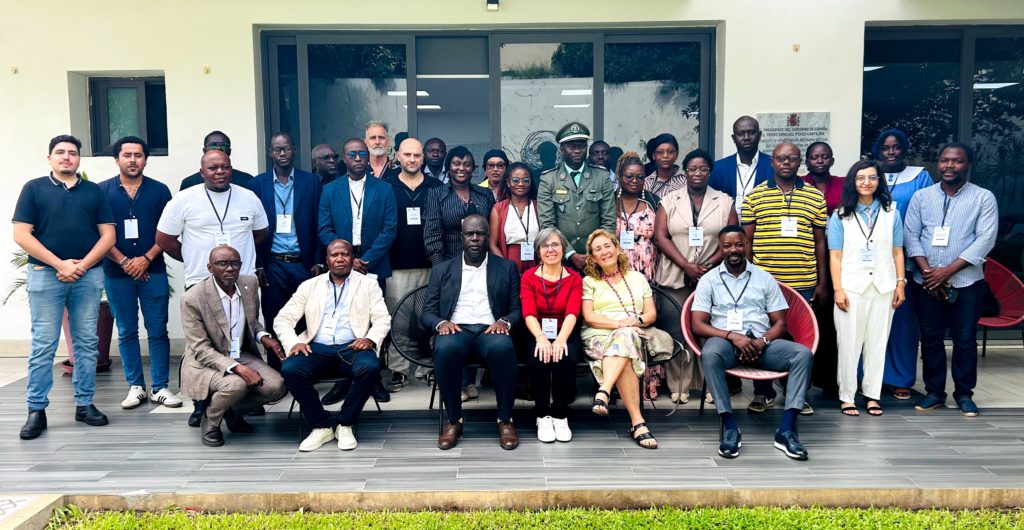
  • A fundación dependente da Consellería do Mar está a liderar un taller que reúne en Dakar a unha trintena de especialistas de 12 países africanos para mellorar a vixilancia e a mitigación destas capturas nas pesqueiras da rexión

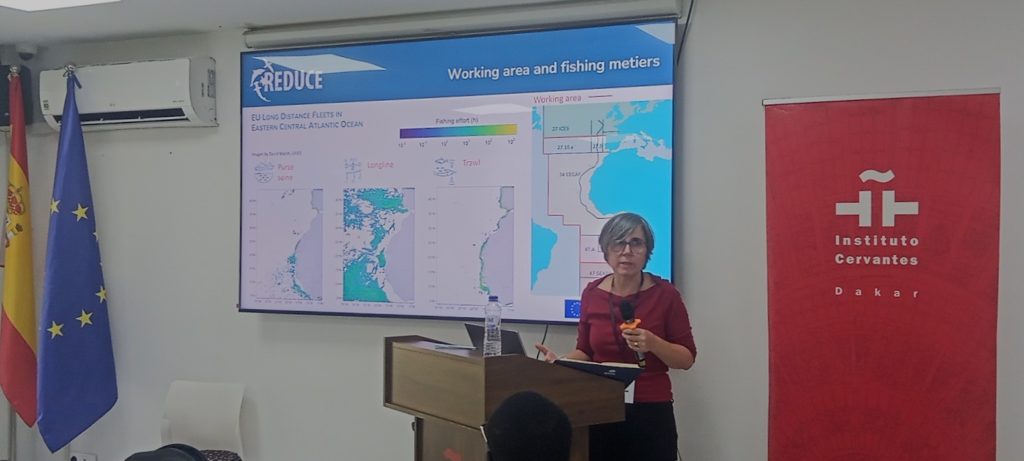
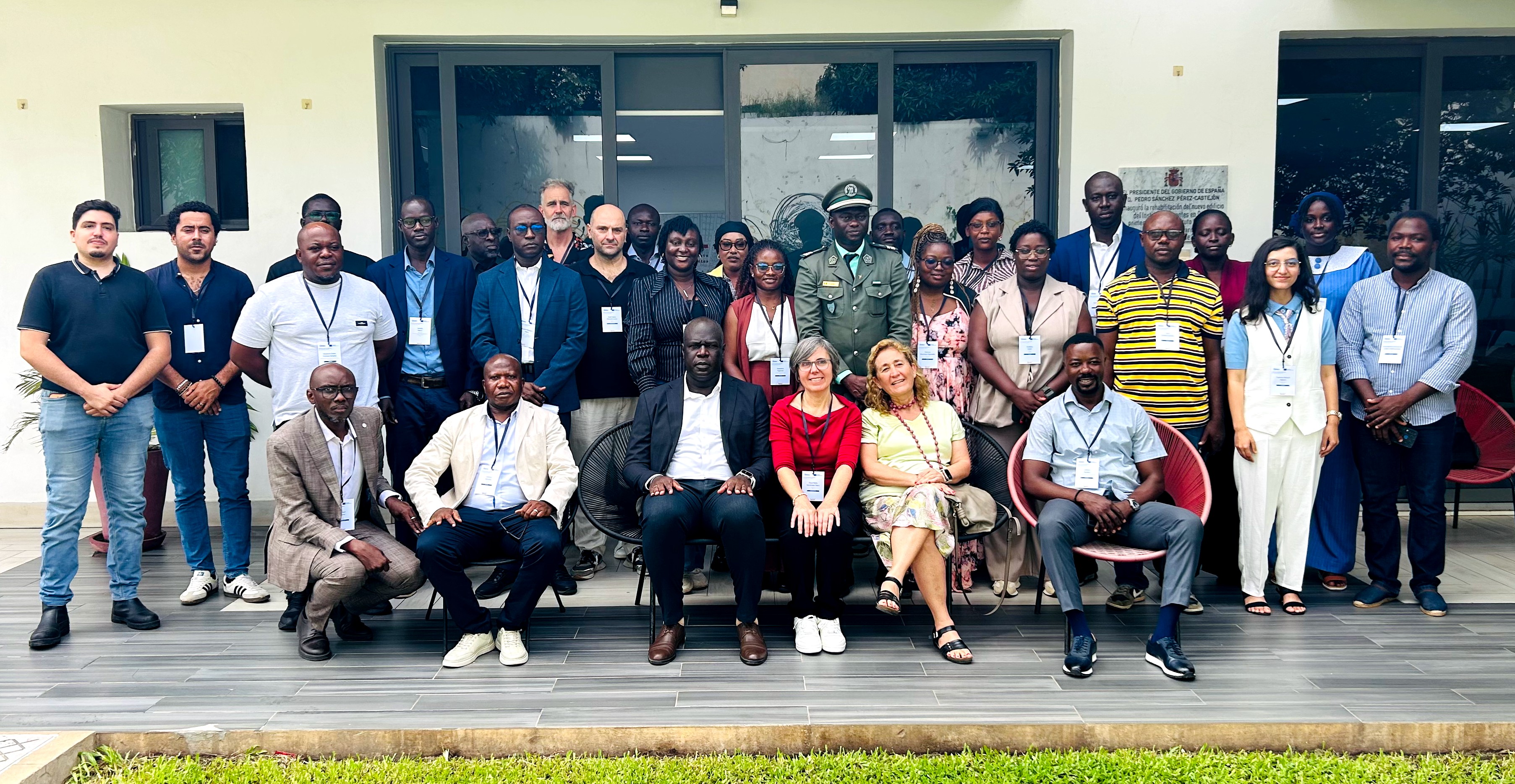
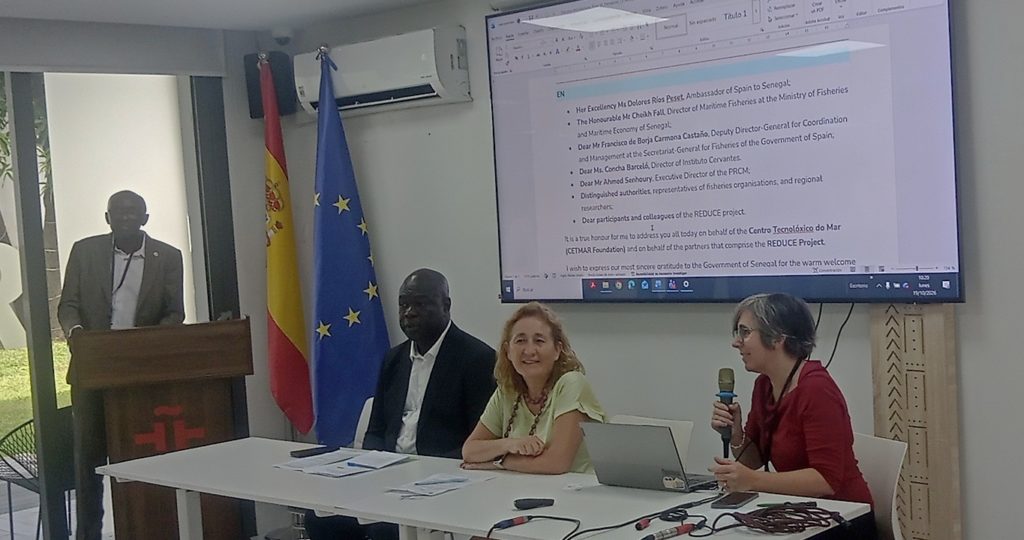
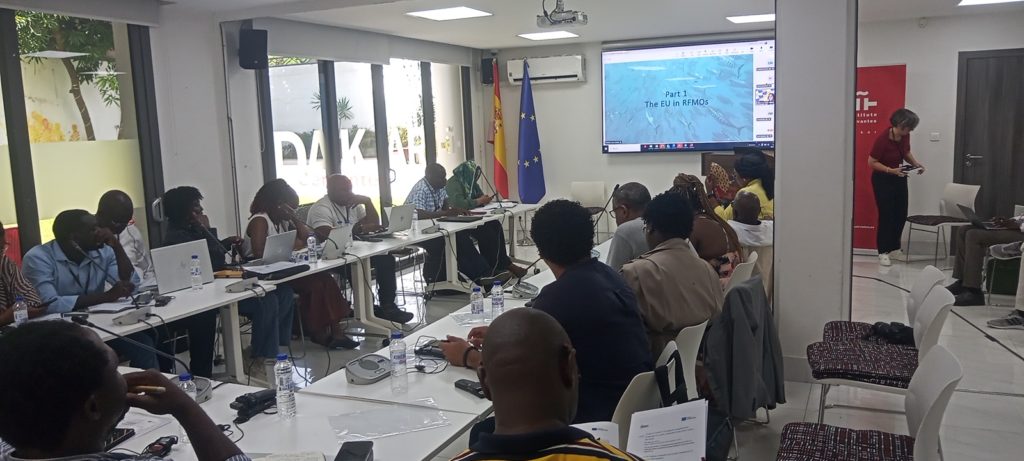
O Centro Tecnolóxico do Mar-Fundación CETMAR está a organizar e coordinar o desenvolvemento dun taller internacional destinado a fortalecer as capacidades técnicas e científicas dos profesionais de África na prevención e redución da captura accidental de megafauna mariña ameazada e protexida.

A actividade, que ten lugar esta semana na sede do Instituto Cervantes en Dakar, está organizada en colaboración coa Secretaría General de Pesca do Ministerio de Agricultura, Pesca y Alimentación de España e co apoio da Embaixada española, e forma parte do proxecto europeo REDUCE, coordinado pola Universidade de Barcelona, ​​e do que o CETMAR é socio.

Co título Reducing marine megafauna bycatch in Northwestern African fisheries: advancing monitoring, mitigation and sustainability,  o taller reúne a unha trintena de profesionais de 12 países costeiros de África Central e Noroccidental. Entre os participantes inclúense expertos en pesca, especialistas en medio mariño, persoal de administracións pesqueiras, centros de investigación, universidades e organizacións non gobernamentais.

Como coordinador desta actividade, CETMAR contribuíu ao deseño e desenvolvemento do contido da formación e ao fomento da participación dos países da rexión. O seu traballo lévase a cabo en colaboración coas institucións que participan en REDUCE, un proxecto europeo financiado polo programa Horizonte Europa, que reúne a entidades científicas e organizacións especializadas para avanzar na redución das capturas accesorias de especies mariñas protexidas nas pesqueiras do Atlántico centro-oriental.

O programa combina sesións teóricas e prácticas impartidas por especialistas de renome internacional. O contido abarca temas como a gobernanza pesqueira, a monitorización electrónica da actividade pesqueira, a conservación da biodiversidade mariña, a avaliación do impacto da pesca nas especies protexidas e as medidas para previr e mitigar as capturas accesorias.

O obxectivo é mellorar a capacidade dos profesionais participantes para identificar, monitorizar e reducir as capturas accesorias de megafauna mariña, unha das principais ameazas para grupos de especies protexidas como cetáceos, aves mariñas, tartarugas e tiburóns.

Cooperación internacional ao servizo da conservación mariña

A celebración deste taller fortalece a colaboración entre institucións científicas, administracións pesqueiras e organizacións especializadas de Europa e África. Tamén destaca a importancia da cooperación internacional e o intercambio de coñecementos no desenvolvemento de solucións que concilien a actividade pesqueira coa conservación da biodiversidade mariña.

A iniciativa tamén está integrada nas accións do proxecto REDUCE (Redución das capturas accesorias de megafauna ameazada no Atlántico Centro-Oriental), que ten como obxectivo mellorar o coñecemento científico, as capacidades de seguimento e as medidas de mitigación das capturas accesorias de megafauna mariña ameazada nas augas do Atlántico Centro-Oriental.

Xunto a CETMAR, colabora nesta actividade o Instituto de Investigacións Mariñas-CSIC e a Universidade de Santiago de Compostela como socios de REDUCE, ademais da Universidade de Barcelona, BirdLife International, o Centro Interdisciplinar de Investigação Marinha e Ambiental da Universidade do Porto e o Partenariat Régional pour la Conservation de la zone côtière et Marine (PRCM).
Back to Peru

By | What's new | No Comments

CETMAR returns to Sechura to work with the Peruvian government towards more profitable and environmentally friendly small-scale fisheries and aquaculture.

  • An agreement with the Regional Department of Presidency, Justice and Sports of the Xunta (Galicia government) drives this new project, building on the activities to strengthen both sectors, carried out during the previous Mar de Piura Project.

CETMAR _depending on the Regional Ministry of the Sea_ and Peru’s Ministry of Production renew their collaboration with the launch of the project “Promoting Sechura’s Blue Economy through resilient, competitive and sustainable growth in the fisheries and aquaculture industry of Sechura Bay” (Sechura Azul).

The contribution to the environmental and productive sustainability of livelihoods and communities into the aquaculture and small-scale fishing industry in Sechura Bay (Peru) is the core goal. To this end, CETMAR will be supported by the Peruvian Government through different institutions related to the sector.

Sechura Azul focuses on making small-scale fishing and aquaculture in Sechura more profitable and more marine-friendly activities, promoting equality and giving women a leading role in the management of hydrobiological resources to improve their income. The strategy of the project, funded by the Xunta de Galicia through Cooperación Galega, is structured around three key outcomes.

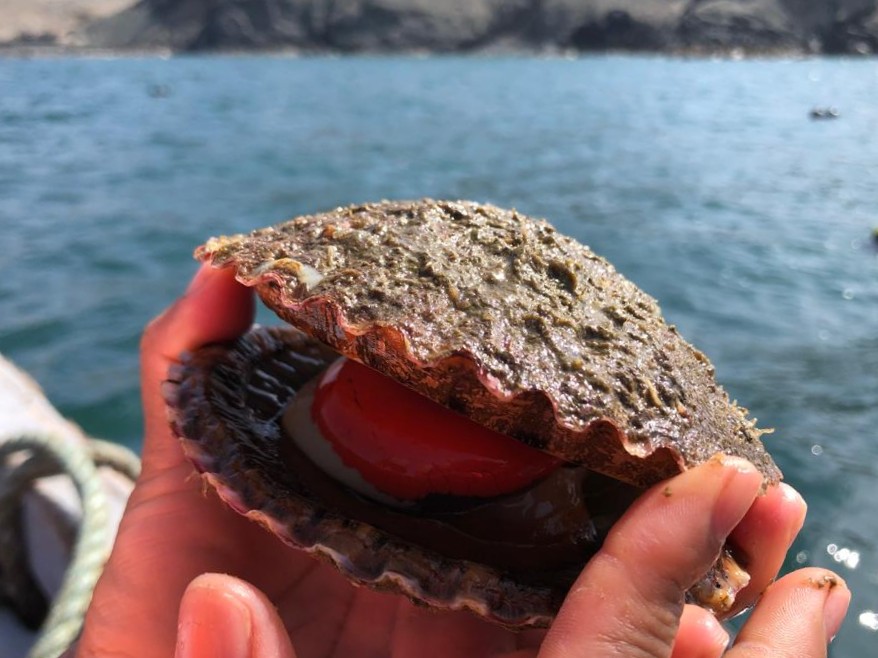
Firstly, it aims to improve environmental sustainability, productivity and management capacity in abalone aquaculture farms in Sechura Bay. The project will work to optimize the production of scallop seed stock, ensuring quality and quantity, and to monitor oceanographic parameters promoting the farming of this bivalve in the natural environment, by sampling protocols and early-warning systems for environmental conditions.

Secondly, the project will focus on women-led trade associations for small-scale fisheries products. Training will be organised with the support of associations that previously received training through initiatives developed by CETMAR in the area, such as ACUIPESCA, VerTyCe and MARdePiura.

To achieve this outcome, knowledge will be transferred between associations, capacities will be strengthened, and greater emphasis will be placed on a feminist approach into operational and working standards to improve the traceability of products, building greater confidence among potential buyers.

Finally, the third expected outcome is institutional strengthening of the governance of fisheries and aquaculture resources in northern Peru. The actions proposed target technical staff from the Ministry of Production, such as the Directorates-General for Fisheries and Aquaculture, the National Fisheries Development Fund (FONDEPES) and the Peruvian Institute of the Sea (IMARPE). The project plans technical exchanges between Galicia and Peru to foster inter-institutional coordination and encourage a working strategy to improve the guidelines governing aquaculture and small-scale fishing.

First steps

The proposal for this year, based on needs previously identified in earlier projects implemented by CETMAR in the region, focuses on the profitability and sustainability of the value chains for small-scale fisheries and aquaculture, adopting a feminist approach.

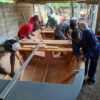
Accordingly, an initial training targeted at workers from the Social Organisations of Artisanal Fisherfolk (OSPAS) is planned to be launched in October.  CETMAR will send two international experts to deliver theory and practical training on scallop farming productivity, and assist in designing a plan for monitoring and evaluating aquaculture activities.

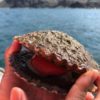
Scallop

The training intends to strengthen the capacities of the OSPAS in a climate context exacerbated by the expected effect of El Niño on the Peruvian coast over the coming years. This initiative will positively impact on the resilience of these organisations in response to climatic events, leading to improved preventive and recovery measures for scallop farming once normal conditions are restored.