CETMAR and FAO join forces to improve the safety of small-scale fishing vessels in São Tomé and Príncipe
- CETMAR is leading a technical activity to assess the stability and safety at sea of two prototype vessels built in local shipyards
- The initiative is part of the FISH4ACP programme, which promotes the sustainable development of fisheries and aquaculture value chains in Africa, the Caribbean and the Pacific
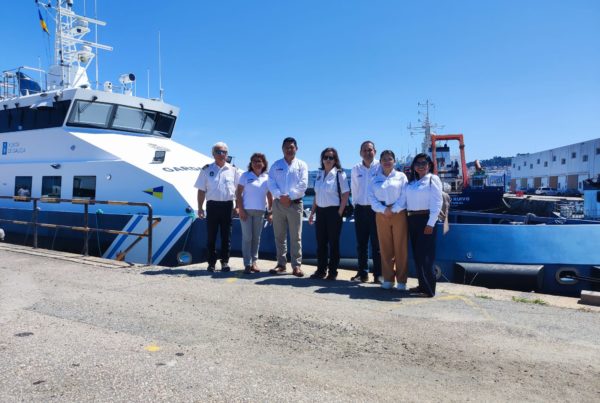
This week, CETMAR is launching the final tests of a very special project: to modernise and make the navigation of small artisanal fishing vessels in São Tomé and Príncipe much safer. With this step, CETMAR is helping to protect the lives of local fishermen in their daily work at sea.
The initiative focuses on assessing the stability and safety of two prototype artisanal fishing vessels, each around 6 metres long, which were built using different materials: one from marine plywood and the other from fibreglass.
Built in local shipyards with training support from two CETMAR experts in shipbuilding and composites, these vessels will undergo a three-day programme of rigorous sea trials to compare their stability and their technical and operational performance.
During this period, CETMAR’s technical team – consisting of a technician and a naval and ocean engineer – together with fishermen and representatives of the local partner, the NGO MARAPA, will conduct the statutory tests in line with international legislation on stability and navigability. The aim is to ensure maximum safety for artisanal fishermen in the event of extreme loading conditions or critical manoeuvres involving fishing gear.
The technical procedure, supervised by the naval and ocean engineering specialist deployed to the site by CETMAR, is divided into two key stages. Firstly, the dry stability and heel test, aimed at accurately determining the vessel’s centre of gravity. To this end, a simulation of the fully loaded vessel will be performed, with calibrated weights distributed across the deck.
The second test will be conducted at sea or during active navigation, when the vessel sails on the open sea, carrying out various manoeuvres to assess its dynamic stability and the behaviour of the loaded hull.
The results of the assessments will serve to validate the prototypes and, where necessary, introduce improvements to their design, thereby contributing to the gradual modernisation of the country’s small-scale fishing fleet and to enhancing the safety of those who work at sea.
In addition to improving the vessels, this initiative contributes to the transfer of technical knowledge to local shipyards and to strengthening national capacities for the construction and maintenance of safer, more efficient vessels that are better suited to the sector’s needs.
The FISH4ACP programme, which includes this initiative, is funded by the European Union and the German Federal Ministry for Economic Cooperation and Development (BMZ) and is implemented by the FAO in collaboration with national and international partners.