Monthly Archives

September 2026

International cooperation and knowledge transfer

By | What's new | No Comments

CETMAR and FAO join forces to improve the safety of small-scale fishing vessels in São Tomé and Príncipe

  • CETMAR is leading a technical activity to assess the stability and safety at sea of two prototype vessels built in local shipyards
  • The initiative is part of the FISH4ACP programme, which promotes the sustainable development of fisheries and aquaculture value chains in Africa, the Caribbean and the Pacific

This week, CETMAR is launching the final tests of a very special project: to modernise and make the navigation of small artisanal fishing vessels in São Tomé and Príncipe much safer. With this step, CETMAR is helping to protect the lives of local fishermen in their daily work at sea.

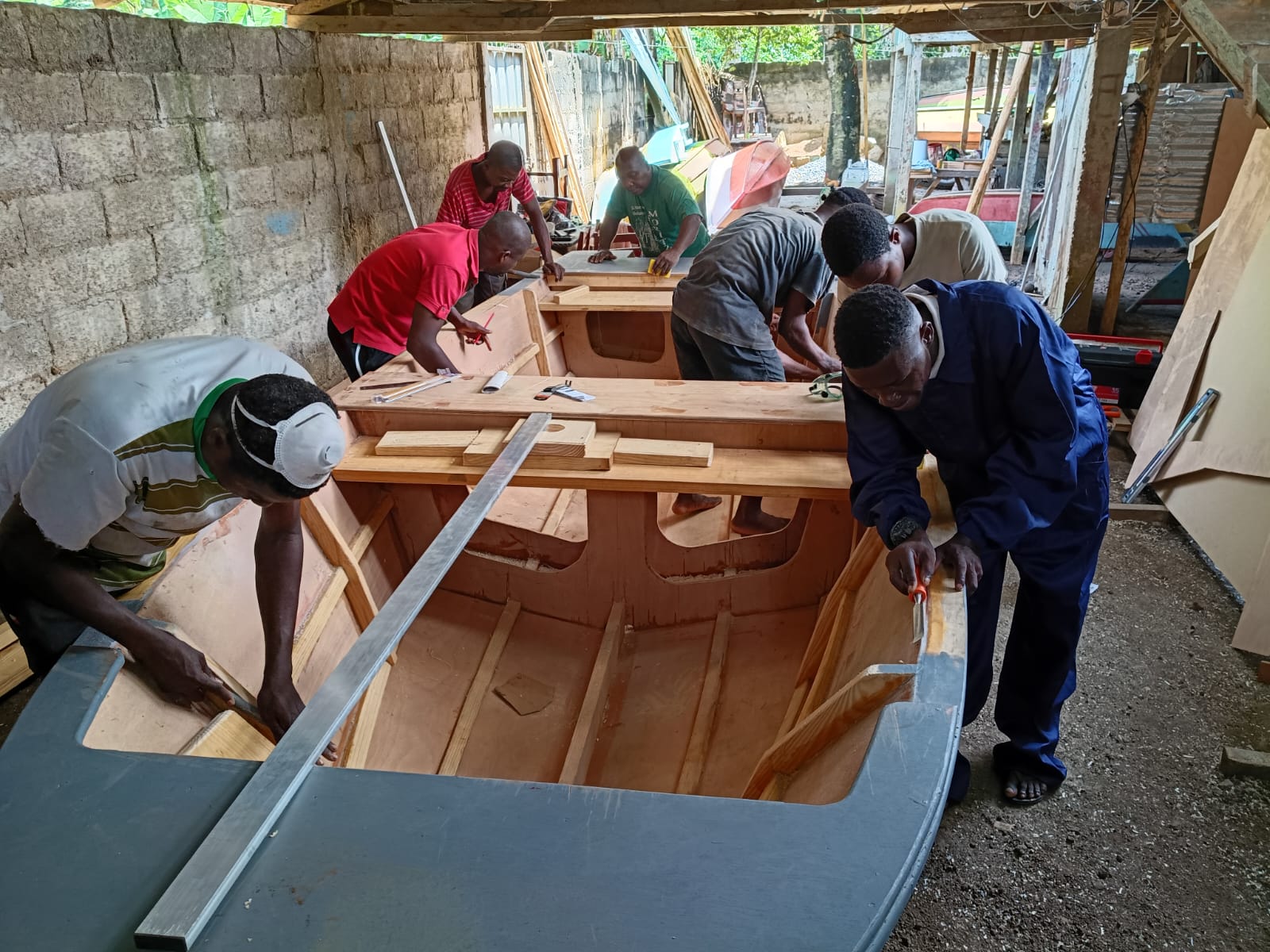
The initiative focuses on assessing the stability and safety of two prototype artisanal fishing vessels, each around 6 metres long, which were built using different materials: one from marine plywood and the other from fibreglass.

Built in local shipyards with training support from two CETMAR experts in shipbuilding and composites, these vessels will undergo a three-day programme of rigorous sea trials to compare their stability and their technical and operational performance.

During this period, CETMAR’s technical team – consisting of a technician and a naval and ocean engineer – together with fishermen and representatives of the local partner, the NGO MARAPA, will conduct the statutory tests in line with international legislation on stability and navigability. The aim is to ensure maximum safety for artisanal fishermen in the event of extreme loading conditions or critical manoeuvres involving fishing gear.

The technical procedure, supervised by the naval and ocean engineering specialist deployed to the site by CETMAR, is divided into two key stages. Firstly, the dry stability and heel test, aimed at accurately determining the vessel’s centre of gravity. To this end, a simulation of the fully loaded vessel will be performed, with calibrated weights distributed across the deck.

The second test will be conducted at sea or during active navigation, when the vessel sails on the open sea, carrying out various manoeuvres to assess its dynamic stability and the behaviour of the loaded hull.

The results of the assessments will serve to validate the prototypes and, where necessary, introduce improvements to their design, thereby contributing to the gradual modernisation of the country’s small-scale fishing fleet and to enhancing the safety of those who work at sea.

In addition to improving the vessels, this initiative contributes to the transfer of technical knowledge to local shipyards and to strengthening national capacities for the construction and maintenance of safer, more efficient vessels that are better suited to the sector’s needs.

The FISH4ACP programme, which includes this initiative, is funded by the European Union and the German Federal Ministry for Economic Cooperation and Development (BMZ) and is implemented by the FAO in collaboration with national and international partners.
PreMisa project

By | What's new | No Comments

CETMAR is organising a new exchange of experiences between technical staff from the Dominican Republic, Costa Rica and Galicia, focusing on sargassum collection

  • The aim of the activity, included the PreMiSa project, is to transfer knowledge on the sargassum collection systems used in Galicia and the possibilities to adapt their use in both countries.

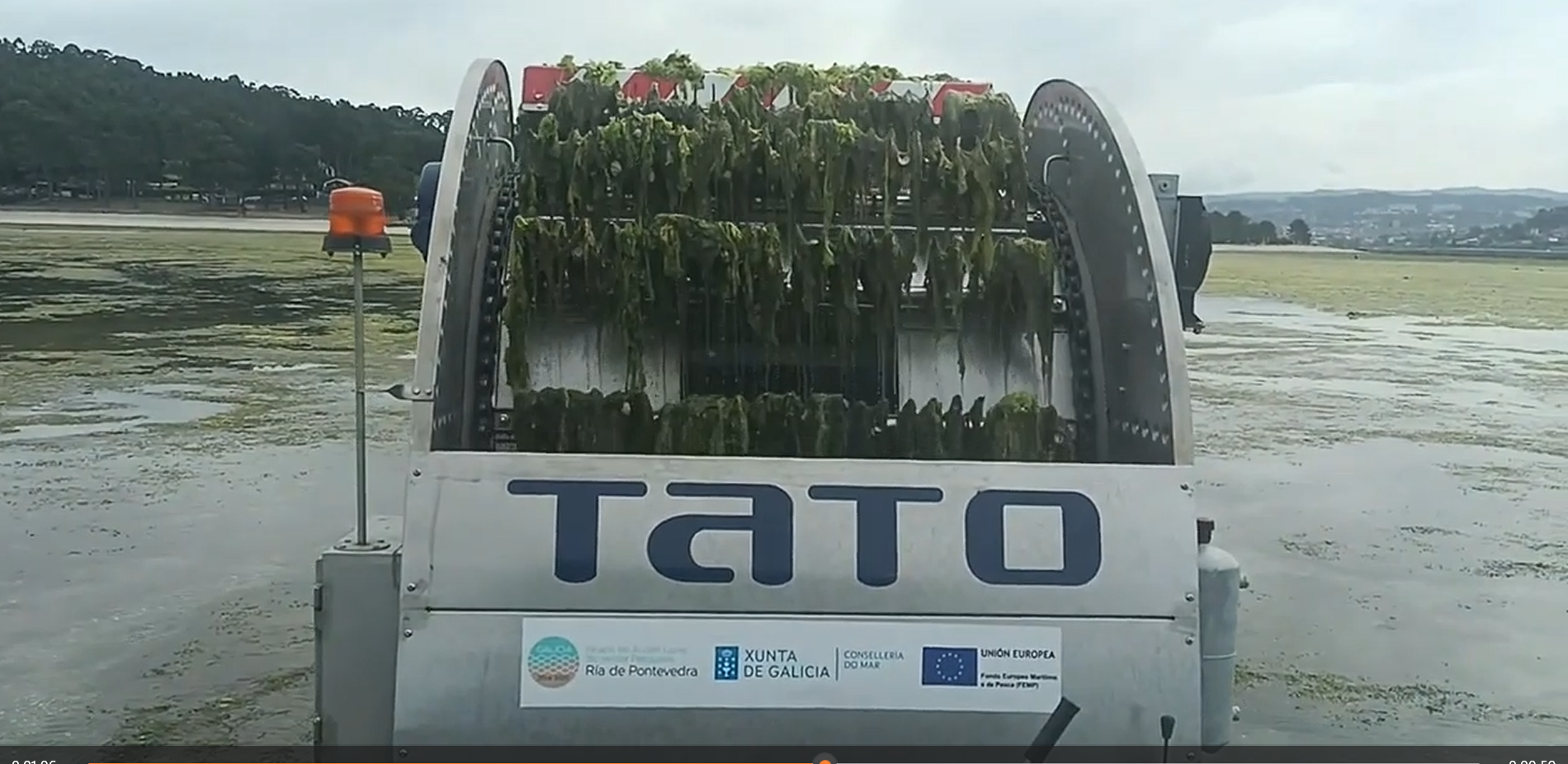
CETMAR has organised a new exchange of experiences between technical staff from the Dominican Republic, Costa Rica and Galicia (Spain), to take place from 31 August to 4 September, which will focus on sargassum collection systems.

This is the second exchange organised by CETMAR in the context of the PreMiSa project, ‘Mechanisms for the Prevention and Mitigation of Sargassum Arrival in Costa Rica and the Dominican Republic by Strengthening Governance and Research’. The first took place in May and enabled five other experts to learn about Galician experiences in the analysis, treatment and valorisation of these algae.

This project is funded by the Regional Programme for the Environment and Climate Change of Spanish Cooperation in Latin America and the Caribbean (ARAUCLIMA) and coordinated by the Costa Rican University Foundation (FUCR). CETMAR’s International Cooperation department acts as a specialist consultancy for the implementation of activities in Galicia and in the field of technological innovation.

The aim of the initiative is the transfer of knowledge between technical staff from the Dominican Republic, Costa Rica and Spain, to develop high-performance, affordable and environmentally friendly equipment for collecting sargassum on land and at sea, and specifically designed for this purpose.

In this regard, Galicia has extensive experience in the design and implementation of innovative mechanisms for seaweed collection. For this knowledge transfer, CETMAR is working in partnership with Lonja de Campelo. Their technical assistance has driven various initiatives to tackle the seaweed problem in the areas of the fishermen’s association.

Based on the results obtained, the partner institutions of the PreMiSa project will work on the design and construction of a technological improvement, promoting the incorporation of innovative, sustainable and environmentally friendly technologies for sargassum collection, to enable further optimal valorisation and adaptation to the Dominican Republic A visit to CETMAR on Monday the 31st of August will mark the start of the planned programme, to run until Friday the 4th of September. In addition to the knowledge exchange at the Campelo fish market, it will include visits to other fish markets and companies regarding the topic exchange, such as Ecocelta and Demaux Manufacture.

Aprender facendo

By | What's new | No Comments

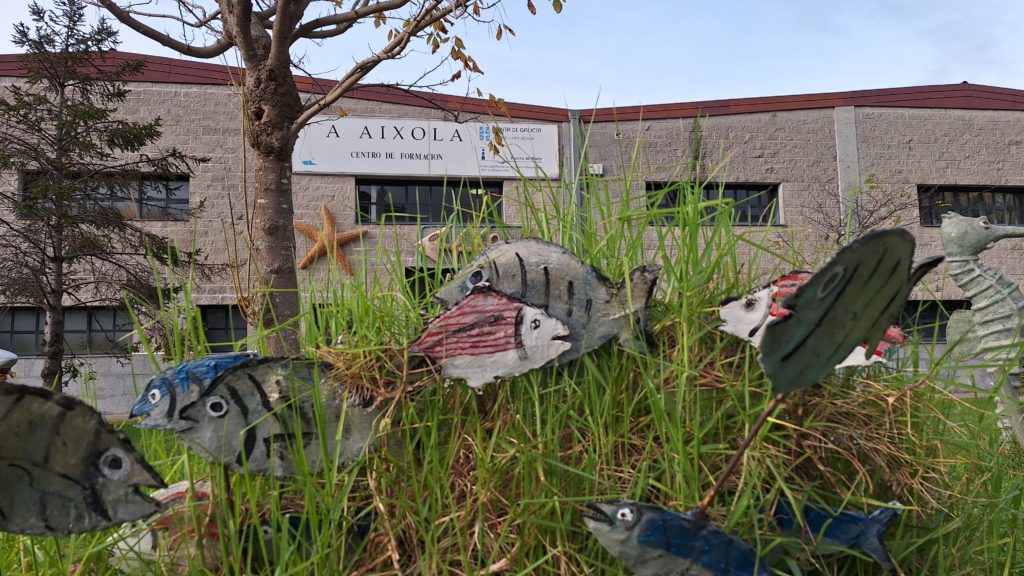
A Aixola inicia un novo ciclo de cursos con seis formacións vinculadas ao ámbito marítimo-pesqueiro

  • O centro de formación impartirá nos vindeiros meses e de forma gratuíta máis de 1.300 horas lectivas e ofertará 72 prazas en diferentes modalidades formativas

O Centro de Formación A Aixola, dependente da Consellería do Mar e xestionado polo Centro Tecnolóxico do Mar-Fundación CETMAR, pon en marcha un novo ciclo de cursos que se desenvolverán ata o vindeiro mes de decembro.

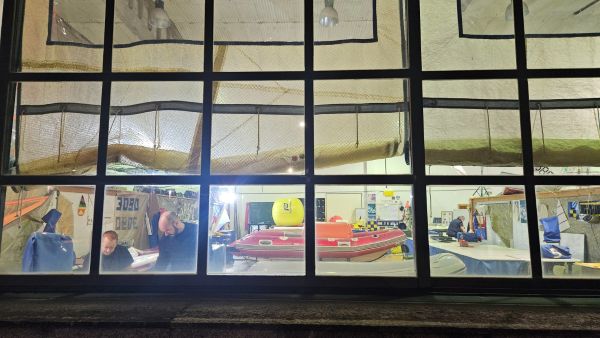
Trátase de seis actividades formativas cun eminente carácter práctico, seguindo o principio de «aprender facendo», e para as que non se requiren cualificacións mínimas. A formación, financiada pola Consellería do Mar e polos fondos FEMPA (Fondo Europeo Marítimo, de Pesca e Acuicultura), é totalmente gratuíta.

Os cursos están dirixidos a persoas desempregadas ou vinculadas ao sector pesqueiro que desexen reorientar o seu perfil profesional ou garantir o relevo xeracional nun oficio altamente especializado e en risco de desaparición, pero con demanda nas confrarías e nas empresas do sector marítimo-pesqueiro.

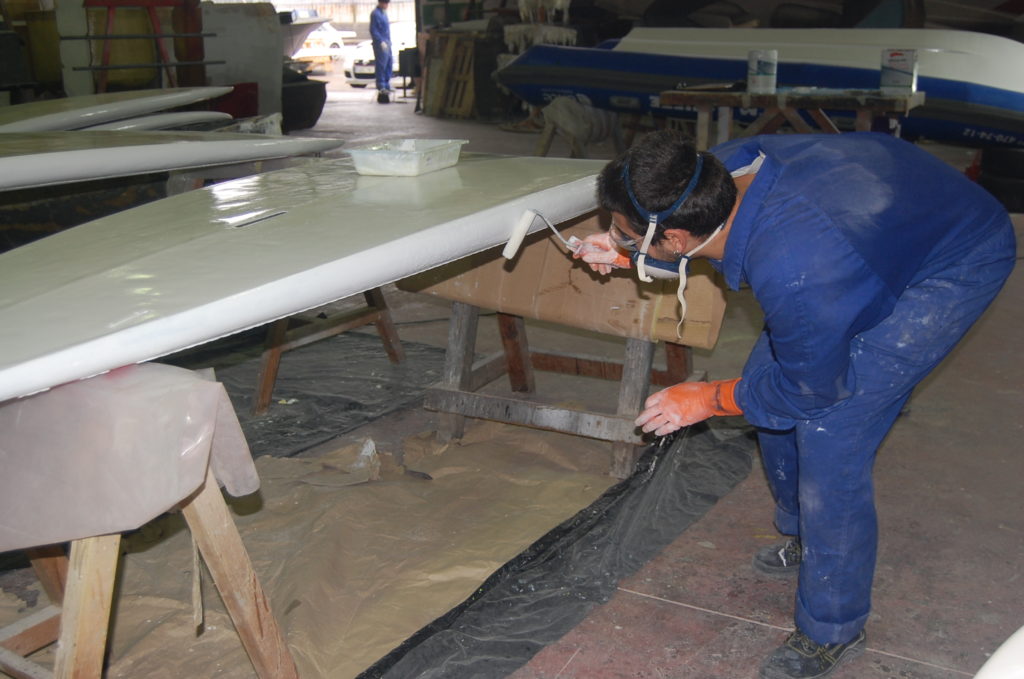
A oferta para este trimestre inclúe un curso de operacións auxiliares de acondicionamento interior de embarcacións (tapicería e madeira) de 350 horas, no que se empregarán técnicas tradicionais e innovadoras, e outro de operacións auxiliares de arboradura (mastros e velas) de 200 horas, destinado ao coñecemento e a práctica en montar e desmontar diversos compoñentes da arboradura náutica, o seu mantemento así como operacións básicas de reparación de velas.

A nova programación de A Aixola contempla ademais a introdución a unha das técnicas máis novidosas para a creación de pezas en poliéster no curso de operacións básicas de infusión e baleiro en composites, de 300 horas, orientado ao sector náutico e á acuicultura, e outro sobre procesos básicos de plásticos técnicos aplicados ao sector mariño (200 horas).

As formacións sobre actividades auxiliares en diagnose e posta a punto de fora borda menores de 30 CV (220 horas) e a introdución á carpintería náutica con control numérico (CNC) (70 horas) completan a oferta para os próximos tres meses.

As prazas son limitadas e a inscrición xa é posible a través da páxina web do centro  (aixola.cetmar.org) ou contactando vía correo electrónico (aixola@cetmar.org) ou telefónica (886 206915).

Na actualidade,  A Aixola é o único centro acreditado que imparte esta formación.