Tag

Training

Blue Schools

By | What's new | No Comments

CETMAR introduces more than 100 students to fishing and marine conservation

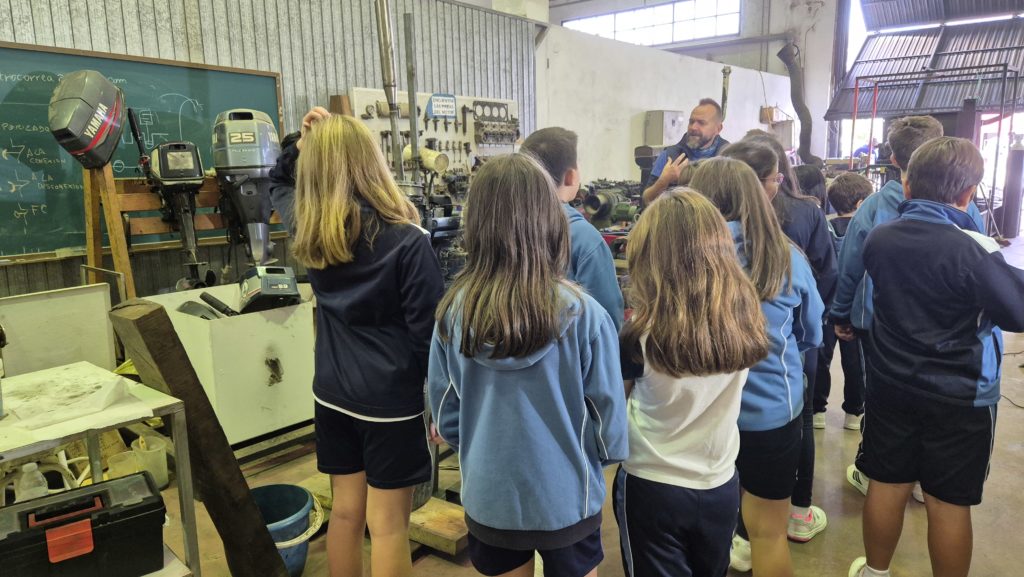
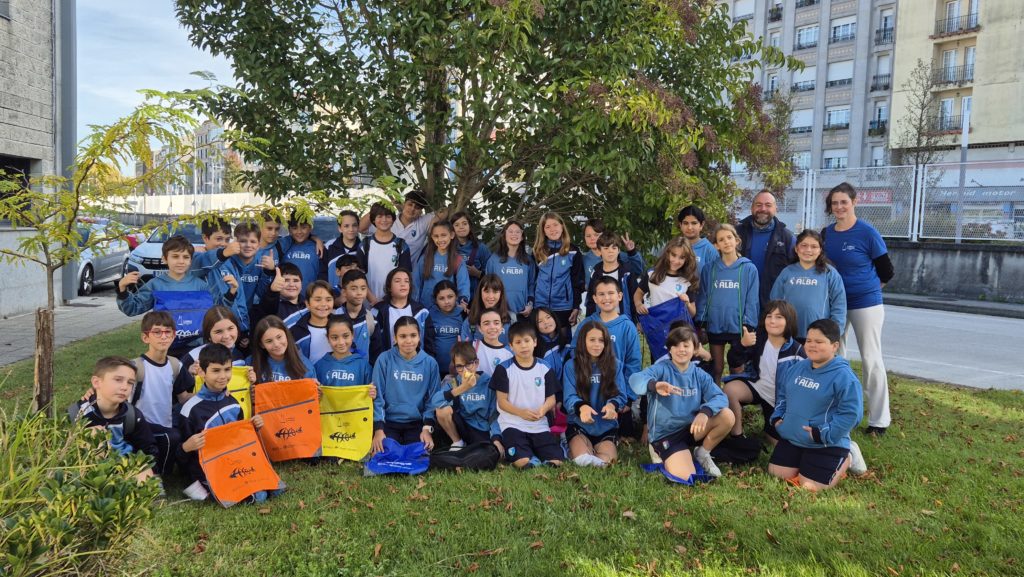
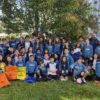
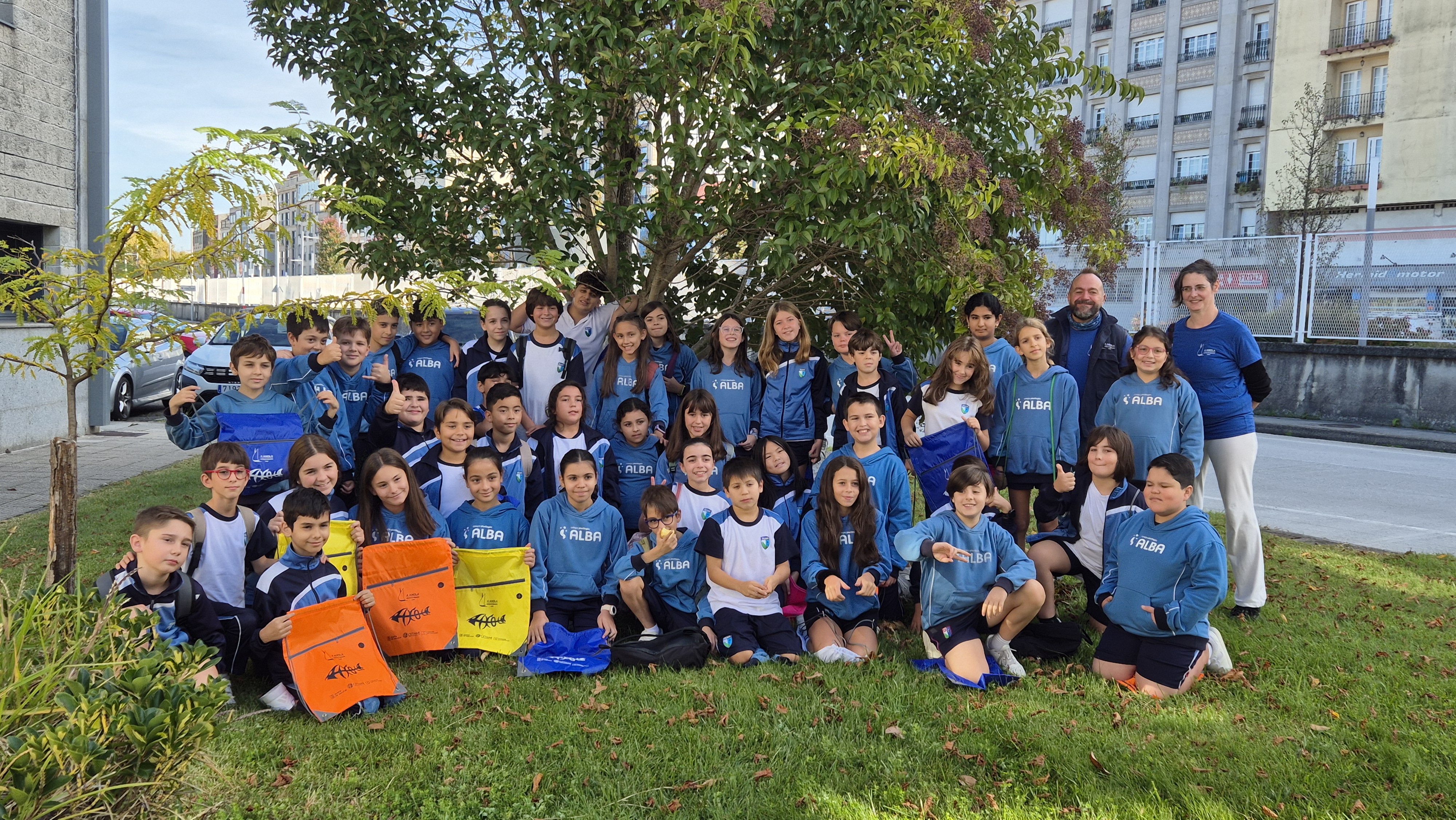
More than 100 pupils in the 5th and 6th years of primary school from the Alba school and Lar school in Vigo have taken part recently in activities organised at the A Aixola Training Centre, as the CETMAR’s contribution to the Galician Network of Blue Schools and the LIFE CIBBRiNA project, focused on by-catch.

All the students spent two days at the A Aixola Training Centre, managed by CETMAR on behalf of the Regional Ministry of the Sea at the Marín Port Authority’s premises, with funding from the European Maritime and Fisheries Fund (EMFF).

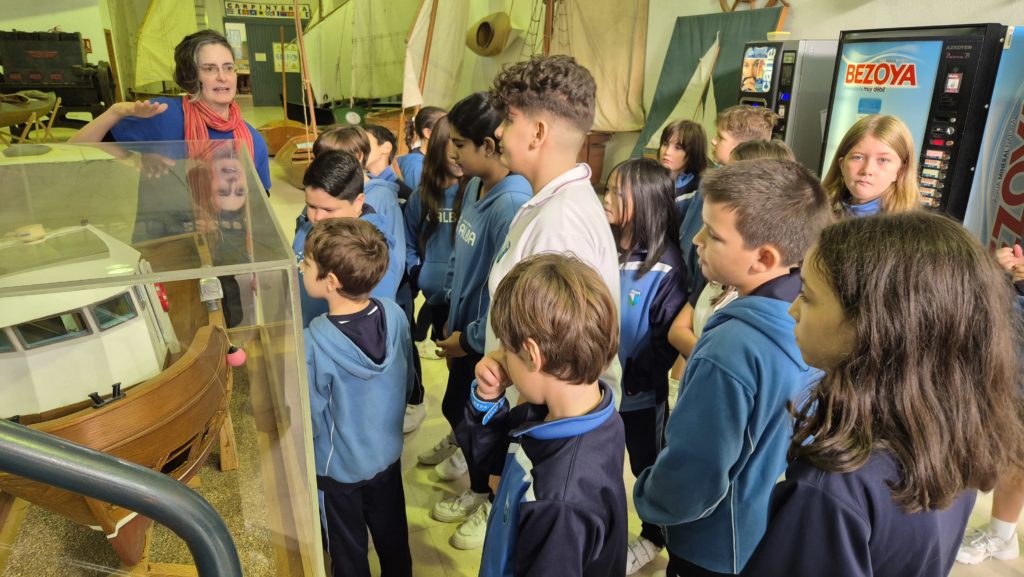
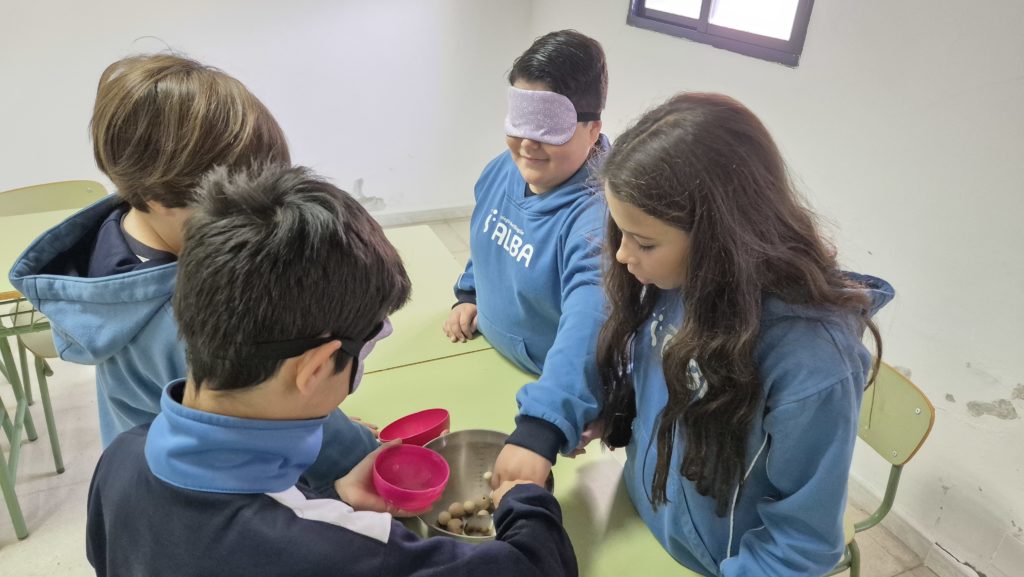
During a tour, they learnt about the centre and its training programmes in jobs related to the maritime fishing sector like fishing gear, mechanical repairs, shipbuilding, and boat repairs. The visit concluded with a workshop on responsible fishing, where a participatory game encouraged reflection on fisheries management based on scientific knowledge. The Alba and Lar schools had already developed projects on sustainability over last year. Now, they are developing a new project based on the so-called ‘Research Kits’ from the CIBBRiNA project, funded by the European LIFE programme for reducing by-catches of marine megafauna species that are threatened, endangered or protected during fishing activities.

The kits aim to raise awareness and offer practical, participatory activities to enable students to investigate how fishing gear works, the species that may be caught accidentally, the causes of such by-catches, and the solutions to prevent this.

Designed to spark curiosity and encourage critical thinking, this resource explores the relationship between fishing and marine conservation across different disciplines. They also highlight the collaboration between fisheries and science to research and develop joint solutions.

Following an initial introductory session in September –a starting point for the work to be performed with the research kits throughout this academic year – the visit to the A Aixola training centre provided a more direct insight into the world of fishing

Galician Network of Blue Schools

The Galician Network of Blue Schools is aimed at schools that integrate ocean and aquaculture literacy into their activities with projects linked to the sea, rivers and lakes, involving the educational community and its environment. Through this Network, which is part of the Spanish and European networks, schools receive support to develop ‘blue’ projects, access specialised materials and obtain information on funding opportunities. The aim is to engage students and the local community, promoting practical and critical learning about aquatic ecosystems. It also seeks to raise awareness of the ocean’s vital role in climate regulation and biodiversity.
ORE

By | What's new | No Comments

Cetmar presents in Brussels the first results of the Flores project on training needs in the marine renewable energy sector (ORE)

  • The European consortium, which estimates that 124,000 new vacancies will be generated in Europe in 2030, works on improving the skills of current workers and preparing the future workforce, with a focus on training
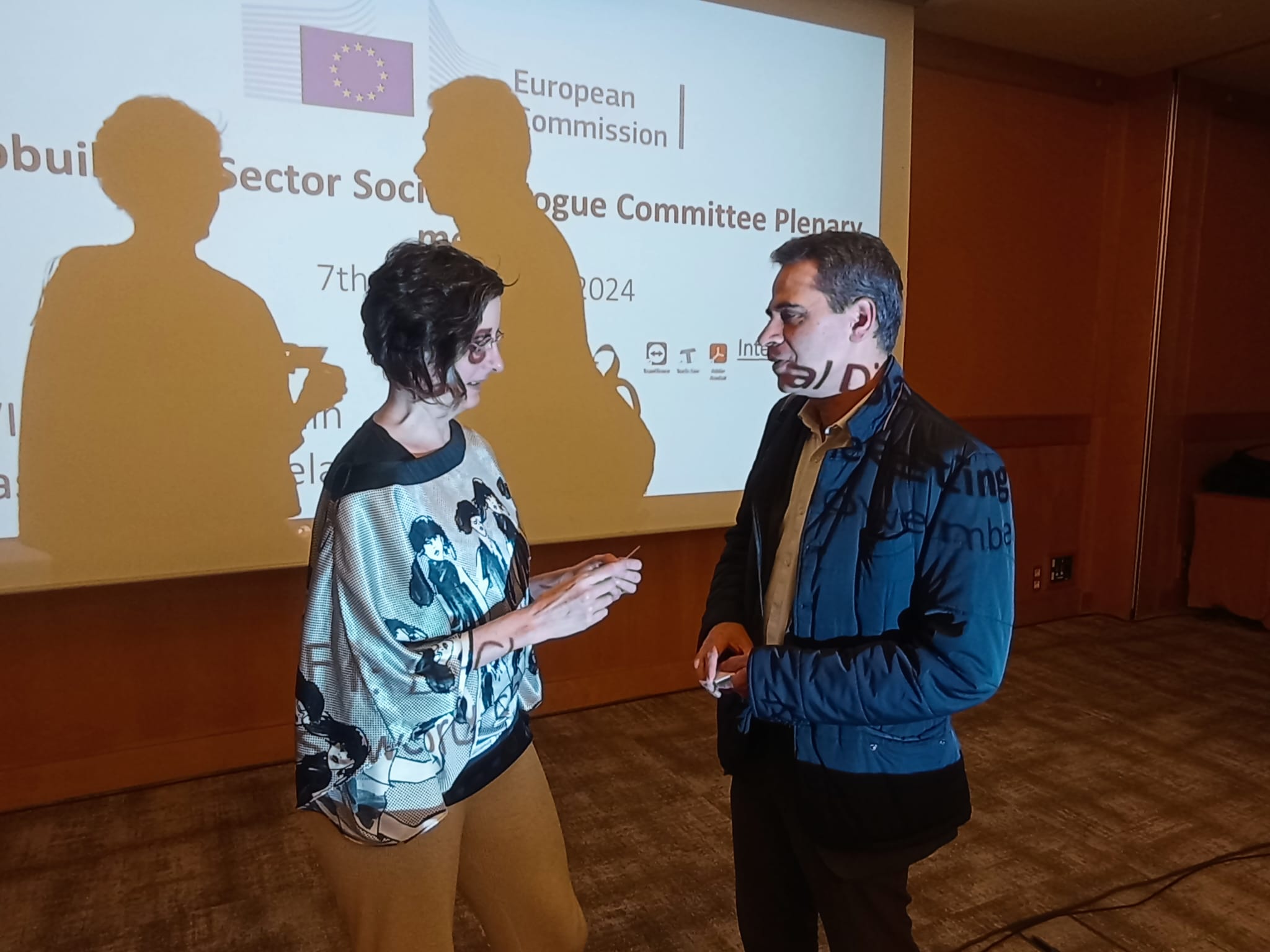
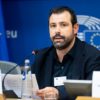
  • The head of Cetmar’s Training area, Lucía Fraga, presented the progress of the project at the meeting of the working group of the Sectoral Social Dialogue Committee on Shipbuilding, Ship Repair and Ship restructuring

The first results of the Flores project, “Vision for the future of marine renewable energies”, were presented this week in Brussels by CETMAR, which dependant on the Regional Department for Marine Issues, coordinates the project that works for the development of tools and activities that strengthen the ORE skills.

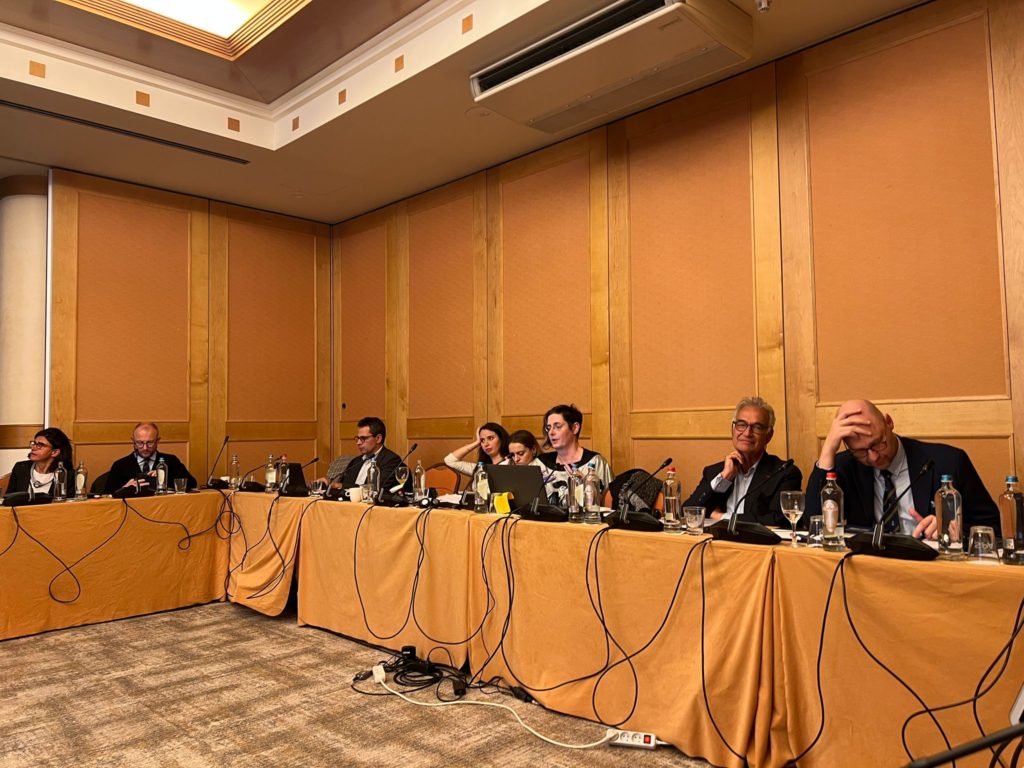
During a meeting of the working group of the Sectoral Social Dialogue Committee on Shipbuilding, Ship Repair and Ship restructuring, the head of Cetmar’s Training area, Lucía Fraga, reported on the progress of the project, financed by the European Erasmus Plus program. The meeting, organized by SeaEurope and IndustriAll in the framework of the social dialogue promoted by the European Commission, addressed common interests and needs for shipbuilding and ORE.

In addition, preliminary results of the “Study to support skills development for the blue economy,” promoted by the EU Directorate General for Maritime Affairs and Fisheries -DG Mare were presented; although all interested parties are still contributing through a survey.

Since January 2023, the 14 partners of the FLORES consortium have been working to promote career paths within the ORE industry, to expand specialized training opportunities and to create an EU Skills Observatory.

This sector currently accounts for around 80,000 jobs in Europe, and experts estimate that up to 124,000 vacancies will be generated by 2030 in the EU. Meeting this growing demand for qualified and appropriately skilled professionals is a significant challenge addressed by the FLORES project, which reinforces the activity of the Pact for Skills.

The objective is to ensure that the training opportunities available in Europe are in line with the current and future needs of the marine renewable energy sector. After analysing the most demanded profiles and the training options, the consortium concluded that the ten most demanded occupational profiles, mainly with engineering background, are project managers and marine renewable energy technicians.

The Flores researchers also judged that qualifications in the sector are usually offered as a specialization rather than basic training, and that programs focus on roles supporting the value chain instead of the most demanded profiles _managers and technicians, which are disregarded by the training offer.

To contribute to the upskilling in marine renewable energies, and for the current workforce, the European consortium drives recycling and upskilling initiatives, promoting innovative approaches to lifelong learning. By means of a repository, the project collects available marine renewable energy training materials.

Furthermore, regarding the preparation of future workers Flores is developing five pilot actions to adapt the existing training materials and approaches in the different European sea basins to the European Pact for Skills. This month the last action, coordinated by the Association of Metal Industries and Associated Technologies of Galicia-Asime, will start preparing experts in the recruitment of talent and human resources.

The results are devised for implementation beyond the project itself. They include a map of the training offer in marine renewable energies, available and open to any organization willing to promote its training offer, and the creation of a community with stakeholders from different industries, framed in the European Pact for Skills.

Apart from CETMAR, the FLORES consortium includes Asime and the Industrial Campus of the University of A Coruña (UDC) in Spain. In Greece, there is the Hellas Research and Technology Center (Certh), and in Belgium Windeurope, the University of Ghent, the Association of European Trade Unions IndustriAll and the European Marine Board. Ireland is represented by the Aqualex Multimedia Consortium, the Netherlands by the companies Deftiq and Bluespring, Germany by the Submariner Network for Blue Growth, France by the Lycée Fulgence Bienvenüe and the Conference of Peripheral Maritime Regions, and Italy by the Maritime Technology Cluster (mareFVG).

This Project if financed with 700,000 euro from Erasmus Plus through the European Education and Culture Executive Agency (EACEA).  

Training

By | What's new | No Comments

Galicia Regional Government (Xunta) advances on the new agreement with the Aixola Training Centre for next academic year

The Director General for Fisheries Development, Marta Villaverde, visited the A Aixola Training Centre in the Port of Marín (Pontevedra) to see first-hand the work in the different ongoing training activities, as well as its facilities. In addition, the regional director discussed with the centre’s managers about a new agreement and the training offer for the next academic year.

The director toured the different workshops of the centre and highlighted the educational quality. The centre, managed by the Consellería do Mar through the Centro Tecnológico del Mar-Fundación CETMAR, has achieved excellent results in terms of employability of the students. In fact, in 2023 most of the students who sought employment entered the labour market after their training, while the rest continued their formative itinerary, achieving about 70% of employability.

A Aixola has planned seven training courses this year. The offer consisted on 84 places for students linked to the fishing sector. Making a total of 1,600 hours of training for free, the classes will benefit fishing operators, shellfish gatherers, their spouses or people with qualifications or certificates for working in the fishing sector.