Monthly Archives

February 2026

Esparde

By | What's new | No Comments

CETMAR assesses the effects of marine protection and planning on artisanal and coastal fisheries in the Cantabrian Sea

  • With funding from the Biodiversity Foundation, the Galician institution will work together with the Spanish Institute of Oceanography and the University of Oviedo on the development of the Esparde project, whose objective is to study the social, economic and environmental impact of the displacement of small-scale fishing fleets.
  • The initiative will analyze how restrictions on fishing grounds modify the activity of vessels based in Galicia, Asturias and Cantabria, with the aim of improving the design of marine policies.
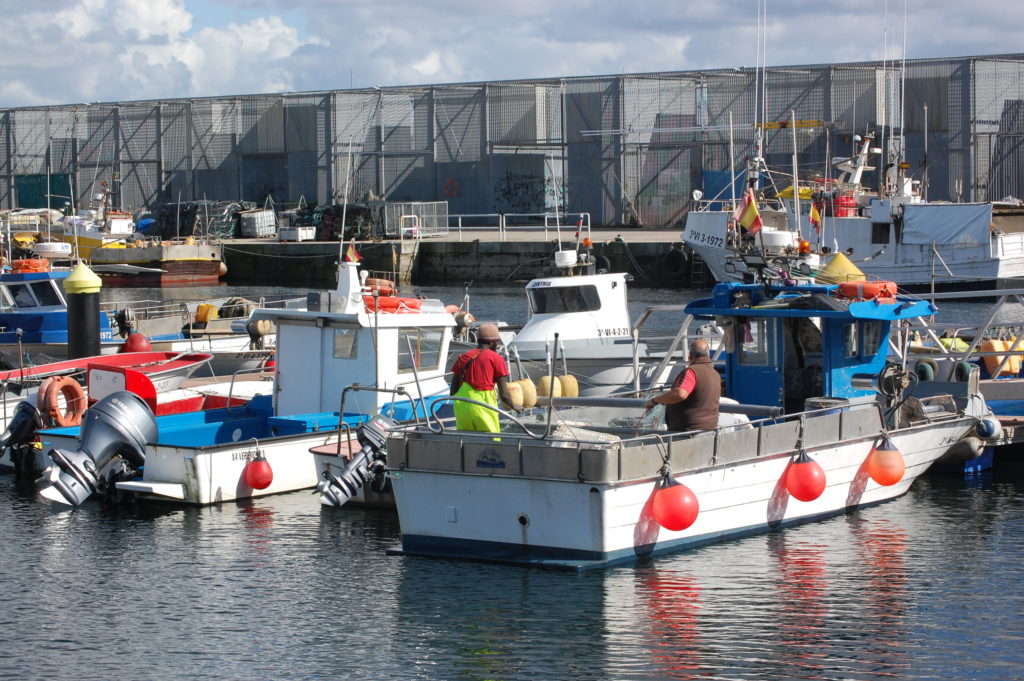
The Marine Technology Centre (CETMAR) will work over the next two years on the project “Esparde – Effects of the Spatial Displacement of Artisanal and Coastal Fishing Fleets Derived from Marine Conservation and Planning”, an initiative that analyzes how marine protection and planning measures influence the displacement of artisanal and coastal fisheries in the Cantabrian Sea, as well as the sustainability of fishing communities.

Framed within the Pleamar Programme 2025, Esparde aims to gain a better understanding of the social, economic and environmental effects resulting from the relocation of small-scale fleets due to spatial restrictions on fishing grounds. The project focuses on vessels with home ports in Galicia, Asturias and Cantabria, especially those operating in areas subject to current or future limitations.

The initiative addresses one of the main challenges of current fisheries policy: how conservation measures modify fishing patterns and condition the activity of artisanal fleets. Traditionally, many environmental assessments have assumed that these vessels can relocate without significant consequences, an assumption that does not reflect the real complexity of the sector or its operational constraints.

To address this challenge, the project develops interdisciplinary methodologies that allow for a more accurate assessment of the territorial, environmental and socioeconomic impact of fleet displacement. The analysis of changes in fishing activity and the associated costs for sector professionals provides a more realistic understanding of the consequences of spatial restrictions.

Esparde is also conceived as an innovative project based on collaboration between the scientific community and the fishing sector. Its main lines of work include the application of econometric techniques to measure impacts, the use of high-precision data on the spatial activity of fleets, and the development of models to predict the effects of their relocation in different contexts.

In a pioneering approach, the project also analyzes the potential negative effects that vessel displacement may generate in new fishing areas, even when relocation responds to objectives of protecting marine habitats and ecosystems.

The researchers are confident that the methodologies developed can be applied to other areas of conservation and to the design of public policies, incorporating traditional practices, local knowledge and the limitations of artisanal fishing communities in a more realistic way. This approach contributes to a more balanced, sustainable and socially fair management of the marine environment.

In addition to the aforementioned research institutions, the project involves collaboration with the Biodiversity Foundation of the Ministry for the Ecological Transition and the Demographic Challenge, through the Pleamar programme, and is co-funded by the European Union through the European Maritime, Fisheries and Aquaculture Fund (EMFAF).
MAR de Piura

By | What's new, What's new | No Comments

CETMAR promotes the commercialization of women-led artisanal fisheries in Peru

CETMAR strengthens the role of women in artisanal fisheries in the Piura region through training actions and practical workshops aimed at improving commercialization, adapting to market standards, and accessing new commercial opportunities within the framework of the MAR De Piura project.

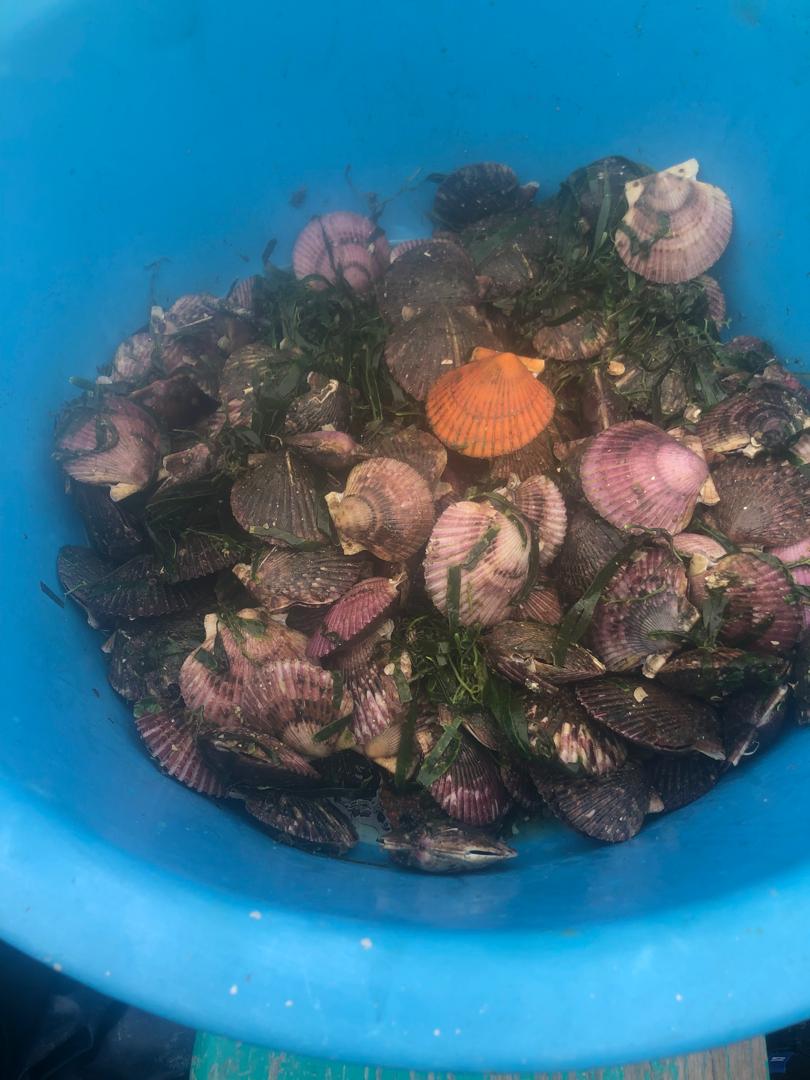
With funding from the Xunta de Galicia through Cooperación Galega, and with the support of Peru’s Ministry of Production via the General Directorate of Artisanal Fisheries (DGPA), the Marine Technology Centre – CETMAR Foundation will carry out two key activities under the MAR De Piura project (Women, Aquaculture and Institutional Strengthening for the Sustainable Development of the Blue Economy in the Piura Region). These activities are designed to strengthen the marketing and sales processes of products led by women from the artisanal fishing community of Sechura Bay, Peru.

These actions will be implemented by the centre’s International Cooperation Department and fall under Project Result 2. Their main objective is to contribute to climate change adaptation in artisanal fisheries and aquaculture in the Piura region, through a strategy focused on productive diversification, institutional strengthening, and the sustainability of the blue economy, with special emphasis on the role of women.

Technical training for compliance with market standards

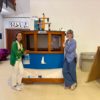
Between 23 and 25 February, CETMAR will conduct a training programme with the Asociación de Mujeres Relaras de Constante, followed by sessions on 26 and 27 February with the Asociación Con la Bendición de Mi Padre – Mariscos Illescas Sechura.

These training sessions will focus on adapting criteria for the preparation, processing, preservation and labelling of hydrobiological products, in accordance with the requirements established by the World Food Programme (WFP) and other potential public or private buyers.

Workshops for the practical application of market studies

Additionally, on 2 and 3 March, two working workshops—one with each association—will be held, focusing on the analysis, interpretation and practical application of market prospecting studies previously developed within the project.

On 2 March, the workshop will be held with the Asociación de Mujeres Relaras de Constante, while on 3 March it will take place with the Asociación Con la Bendición de Mi Padre – Mariscos Illescas Sechura. During the sessions, participants will work hands-on to identify priority market segments, design differentiated value propositions, develop positioning and promotion strategies, and create basic commercial tools such as product sheets, catalogues and sales messages.

Through these actions, CETMAR continues its commitment to a more resilient, sustainable and inclusive value chain, promoting the economic and social empowerment of women in the artisanal fishing community and facilitating their access to new markets.

Free LitterAT

By | What's new | No Comments

Fishing for Litter in the Framework of the PRF Directive: Experiences and Challenges in the Atlantic

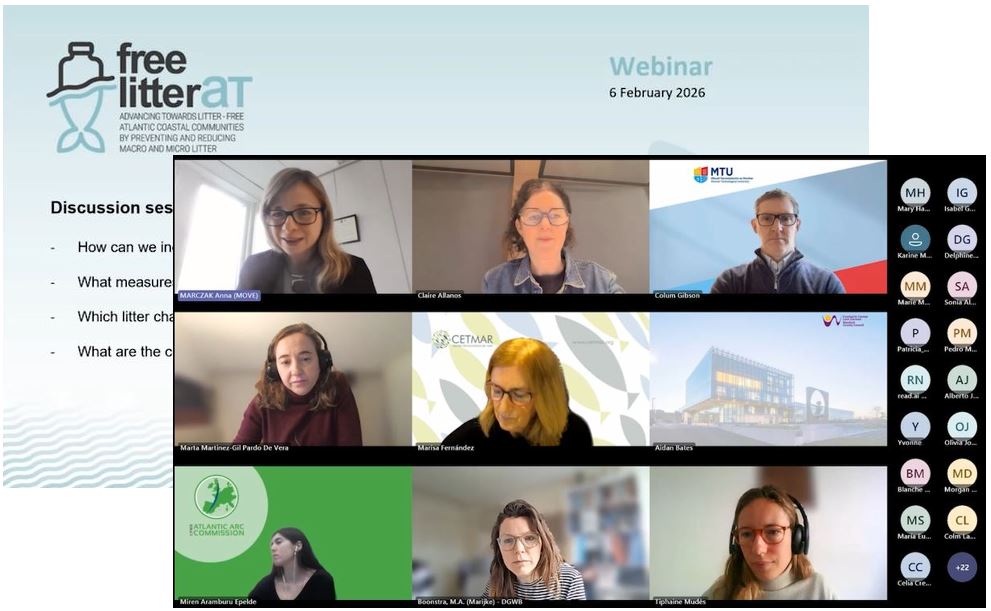
On 6 February 2026, the Free LitterAT project organised the webinar entitled “Fishing for Litter in the frame of PRF directive: experiences and challenges in the Atlantic”, with the aim of exchanging experiences and identifying the challenges arising from the implementation of Directive (EU) 2019/883 on port reception facilities for waste from ships (PRF Directive) and its connection with Fishing for Litter schemes that have been developed for several years in European countries with the collaboration of fishers.

The event, moderated by UBS, served as a forum for knowledge exchange between representatives from the European Commission (DG Move), the OSPAR Convention, KIMO, competent administrations from Atlantic Area countries (Ireland, France, Portugal and Spain), ports and technological centres. It allowed participants to share perspectives on the current management of unintentionally caught waste, as well as on the progress achieved and the remaining challenges in aligning operational practices with the European regulatory framework.

Following a general presentation of the European Union legal context, the role of the PRF Directive in defining procedures for monitoring, reporting and managing marine litter passively caught by fishing vessels was addressed. In this regard, the importance of applying harmonised approaches to data collection and reporting was highlighted, as well as ensuring consistency between national practices and requirements established at European level. An overview was also presented of the actions promoted within the framework of the OSPAR Convention regarding Fishing for Litter schemes, including their level of implementation in the Northeast Atlantic, the obligations derived from the Convention and their alignment with the OSPAR Strategy 2030, particularly Strategic Objective 4 aimed at reducing marine litter. The main progress, challenges and opportunities identified were also discussed, with funding highlighted as one of the key factors for their long-term sustainability.

CETMAR presented the first results of the Free LitterAT project related to the theme of the seminar, offering an overview of the state of implementation of the PRF Directive, current waste management practices in ports and experience with Fishing for Litter schemes in the participating countries. The presentation emphasised the importance of building on the experience gained through these projects to address the Directive’s requirements. It also showcased the resources being developed by the project: guidelines for the implementation of the SUP and PRF Directives, an inventory of good practices, and a training package including a guide and infographics to strengthen the management of this type of waste. These resources will be available at https://goodpractices.freelitterat.eu/ and on the project website https://freelitterat.eu/.

KIMO shared its extensive experience in the field of marine litter, highlighting the Fishing for Litter initiative, launched in the Netherlands in 2004 and currently active in 11 European countries. Recognised as a best practice by the European Commission, HELCOM and OSPAR, KIMO coordinates projects in the United Kingdom, the Netherlands and Belgium, working closely with fishers to collect waste, provide guidance and educational resources and promote recycling, including pilot projects such as the Isle of Skye Fisheries Recycling Coalition in 2025.

A specific part of the seminar was devoted to presenting practical experiences in Fishing for Litter and in the management of fisheries and port waste in Portugal and Spain, Ireland and France. Representatives from public bodies and management entities such as DOCAPESCA, MITERD, MTU and Repechon les Oceans shared their experience and different organisational models and operational solutions to facilitate the reception, characterisation and appropriate treatment of waste landed in ports, as well as the resources developed to support its management. This includes the document “General Criteria for the Implementation of Fishing for Litter Schemes” developed by MITERD within the LIFE IP INTEMARES project. These contributions highlighted the importance of cooperation between fishers, port authorities, waste managers and competent administrations.

The Port of Vigo highlighted improvements in reception facilities and its experience in projects involving incidentally caught waste and harbour cleaning, emphasising the importance of having efficient infrastructure and protocols. AIMPLAS contributed its experience as a technological centre with extensive expertise in the development of recycling processes, as well as its perspective on the main challenges associated with the valorisation of waste from Fishing for Litter. These include the low quality and high heterogeneity of these materials, the high management costs compared with their limited market value, existing technological limitations and the lack of a clearly defined regulatory and responsibility framework. The need for greater coordination among the different actors in the value chain was also stressed in order to move towards technically and economically viable circular economy solutions.

The discussion also analysed the main challenges associated with implementing the management of incidentally caught waste and ensuring the continuity of Fishing for Litter schemes. These include infrastructure needs, maintaining fishers’ engagement, proper use of containers, traceability of waste streams, data quality and, particularly, achieving long-term operational and economic sustainability through the identification of financing mechanisms. The importance of having clear procedures and adequate coordination of responsibilities among the different actors involved was particularly emphasised.

The seminar concluded by highlighting the added value of transnational cooperation and knowledge exchange, reaffirming the role of projects such as Free LitterAT as key tools to support the coherent implementation of the PRF Directive and contribute to the reduction of marine litter in the Atlantic region.

Formación

By | What's new | No Comments

A Xunta avanza no deseño do procedemento de acreditación por competencias de titulacións marítimo pesqueiras

  • A Consellería do Mar e o CETMAR traballan nun modelo formativo máis flexible que recoñeza a experiencia profesional e responda ás necesidades reais do sector

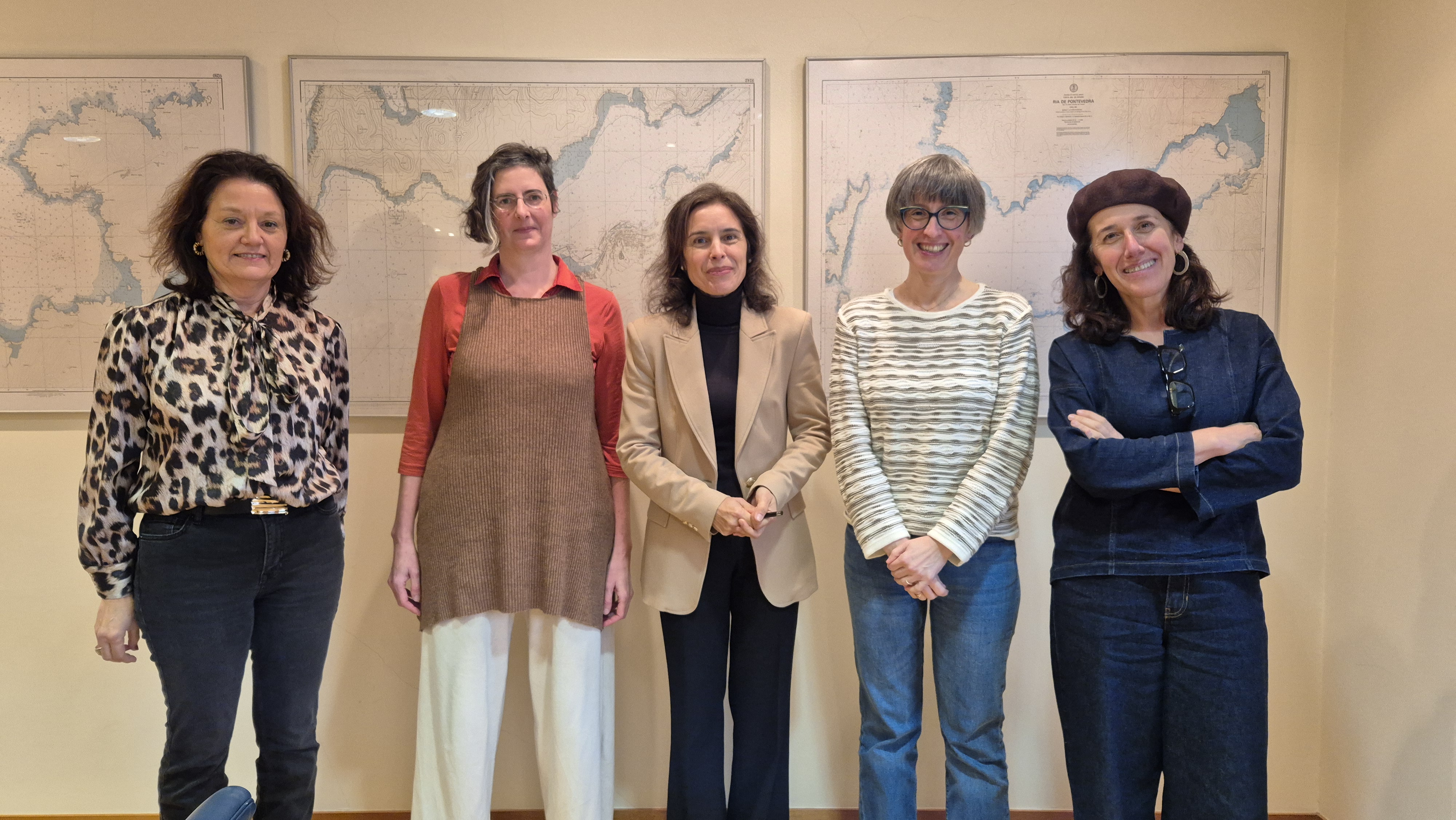
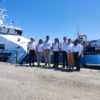
A directora xeral de Desenvolvemento Pesqueiro, Ángeles V. Suárez, visitou hoxe o Centro Tecnolóxico do Mar- Fundación Cetmar, e mantivo un encontro coa súa directora, Rosa Chapela, na que se avanzou no deseño dun procedemento de acreditación por competencias para determinadas titulacións marítimo-pesqueiras, unha demanda histórica do sector e unha ferramenta fundamental para facilitar o acceso á profesión e garantir o relevo xeracional.

Durante o encontro, ambas responsables abordaron as liñas de traballo necesarias para artellar un sistema que permita recoñecer oficialmente a experiencia profesional acumulada polos traballadores do mar, adaptando a formación ás necesidades reais do sector e reforzando o compromiso do Goberno galego cun modelo formativo máis flexible, moderno e eficaz.

A reunión serviu tamén para avanzar no reforzo da colaboración entre a Consellería do Mar e o Cetmar, así como para seguir traballando de maneira conxunta co propio sector na definición de novas medidas formativas que dean resposta ás súas demandas actuais e futuras, tanto no ámbito da pesca como da acuicultura e da cadea mar-industria.

Neste contexto, púxose en valor o papel do CETMAR como entidade adscrita á Consellería do Mar, destacando a súa intensa actividade no eido formativo a través do centro de formación Aixola e doutras accións orientadas á capacitación, actualización de coñecementos e mellora da empregabilidade dos profesionais, contribuíndo de xeito decisivo ao fortalecemento e á sustentabilidade do sector pesqueiro galego.

Equality Plan

By | What's new | No Comments

CETMAR presents its Equality Plan to the staff

  • The new CETMAR Equality Plan, presented on January 30, transforms the analysis of the internal reality into concrete measures to advance equal opportunities between men and women within the organization.

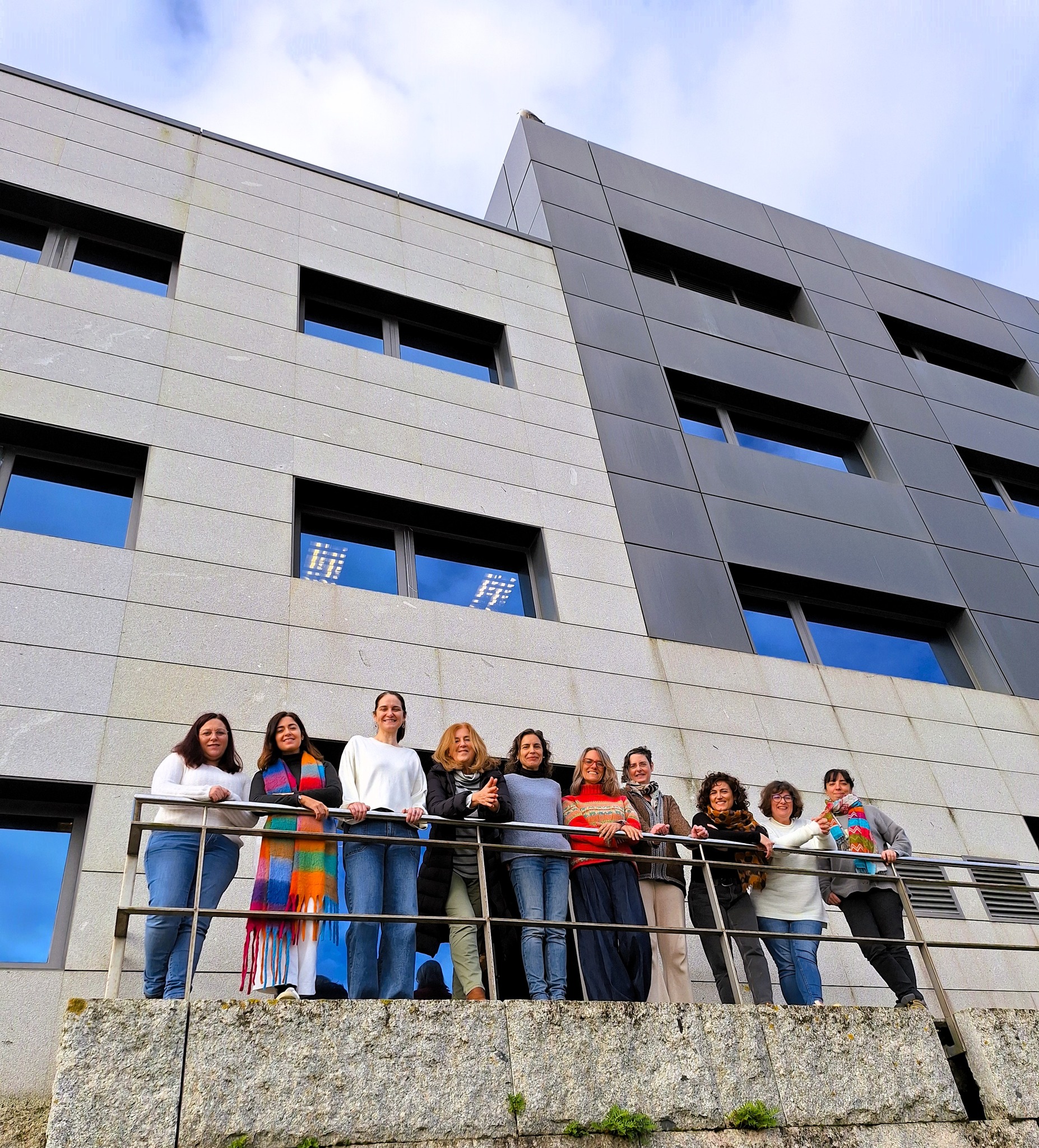
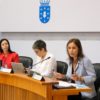
The Marine Technology Centre (CETMAR) presented its new Equality Plan to its staff last Friday, January 30. This document defines the lines of action for the next four years, with the aim of continuing to advance effective equality between women and men in the workplace.

The plan is based on an internal diagnosis that provides an overview of the centre’s situation in terms of workforce composition, recruitment, training, work-life balance, and work organization. It represents a snapshot that serves as a technical starting point to identify areas for improvement and design measures adapted to the organization’s reality. On this basis, the Equality Plan focuses on proposing actions for continuous improvement to be implemented.

One of the key pillars is the incorporation of equality into recruitment processes, through the development of a best practices manual and a commitment to ensuring equality from the outset. Equality criteria will be integrated from the staff onboarding stage. At present, CETMAR’s workforce is clearly feminized, with 75% women. Of the 52 employees at the centre, 39 are women and 13 are men.

The plan also seeks to strengthen training, both in equality and in the prevention of harassment and respect for diversity, with actions aimed at the entire workforce and with special attention to positions of responsibility. The prevention of harassment and gender-based violence, as well as the promotion of occupational health, are the main objectives of these measures. In this regard, internal protocols are also updated and the equality perspective is integrated into the assessment of the work climate through a specific survey.

Work-life balance is another major milestone of the Equality Plan. Measures are introduced to increase working time flexibility, improve and extend leave entitlements, and provide a suitable space for pregnant employees and breastfeeding women. Awareness-raising actions are also planned to ensure that all staff are aware of and can make use of these rights under equal conditions.

Finally, the plan includes actions aimed at promoting inclusive communication and language, through the review of institutional documentation and awareness-raising initiatives that contribute to consolidating an organizational culture based on respect and equal opportunities.