The BlueWWater partnership presents at CETMAR its progress to reduce emissions of pollutants and microplastics and improve water quality
- Co-ordinated by CETMAR, they worked during three years developing tools to detect emerging pollutants, assessing treatment technologies and promoting environmental protection and public awareness measures.
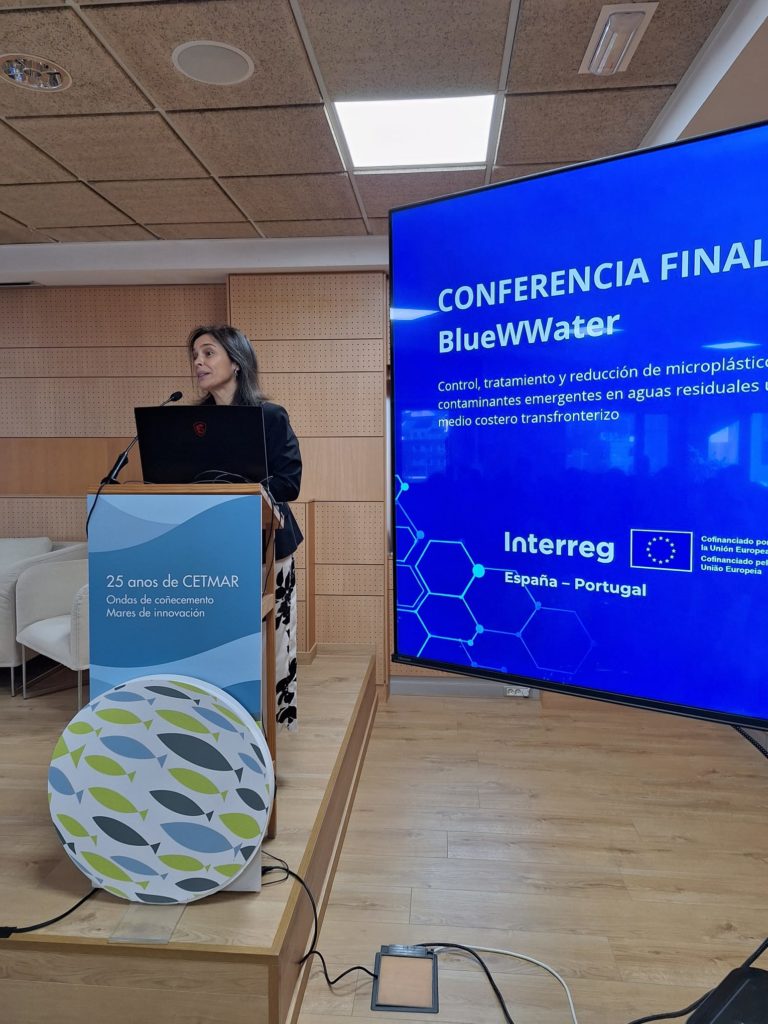
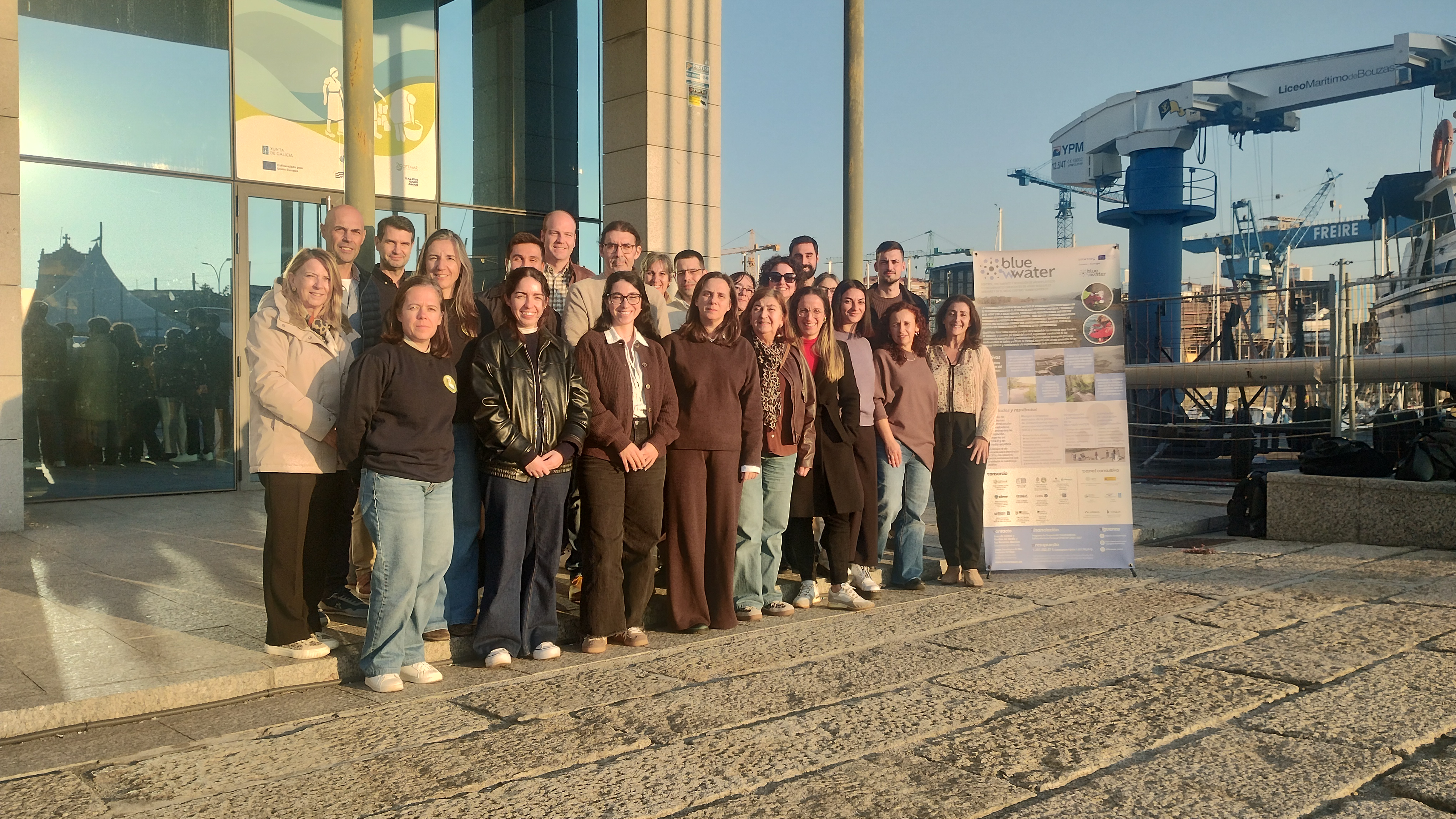
The CETMAR Foundation, dependent of the Regional Department for the Sea, hosted today the final conference of the BlueWWater project. This cross-border cooperation initiative, coordinated by CETMAR, has been working for 3 years to improve the detection, treatment and reduction of microplastics and emerging pollutants in urban wastewater and aquatic environments in Galicia and northern Portugal.
In this event, the project partners – including the Galician Regional Public Agency for the Control of the Marine Environment – presented the key results, shared the knowledge gained and addressed current and future challenges in water quality management.
The key advances of BlueWWater were the development and improvement of methods for the detection and assessment of pollutants present in wastewater and surface water. This work led to methodologies for analysing up to 95 indicator compounds, as well as the refinement of sampling and analysis techniques for microplastics in urban wastewater and surface water bodies.
The project also organised a study comparing 12 laboratories in Spain and Portugal to analyse 12 pollutants listed in the European Directive on Urban Waste Water Treatment. The collaboration helped improve the measurements’ reliability and comparability – key factors in better understanding water quality and assessing the effectiveness of control measures.
Another work area involved analysing the capacity of wastewater treatment systems to remove a selection of organic and inorganic compounds and microplastics. Samples were collected from eight wastewater treatment plants in Galicia and northern Portugal, as well as from river and coastal waters, to investigate the presence of these substances at different stages of the treatment process.
In addition, advanced wastewater treatment technologies were evaluated at a pilot plant that combines new processes to improve the removal of pollutants. Also, experimental trials were carried out to study the potential for reusing treated water on lettuce and maize crops, generating useful information to improve water resource management.
Environmental risk assessment was another key aspect of the project. Tests involving microalgae, sea urchin larvae, zebrafish and amphipods, assessed potential toxicity of the treated water samples and the selected indicator compounds. The environmental impact of different wastewater treatment technologies was also analysed, and models were developed to simulate the dispersion of pollutants in the River Miño and assess their potential risks to aquatic ecosystems.
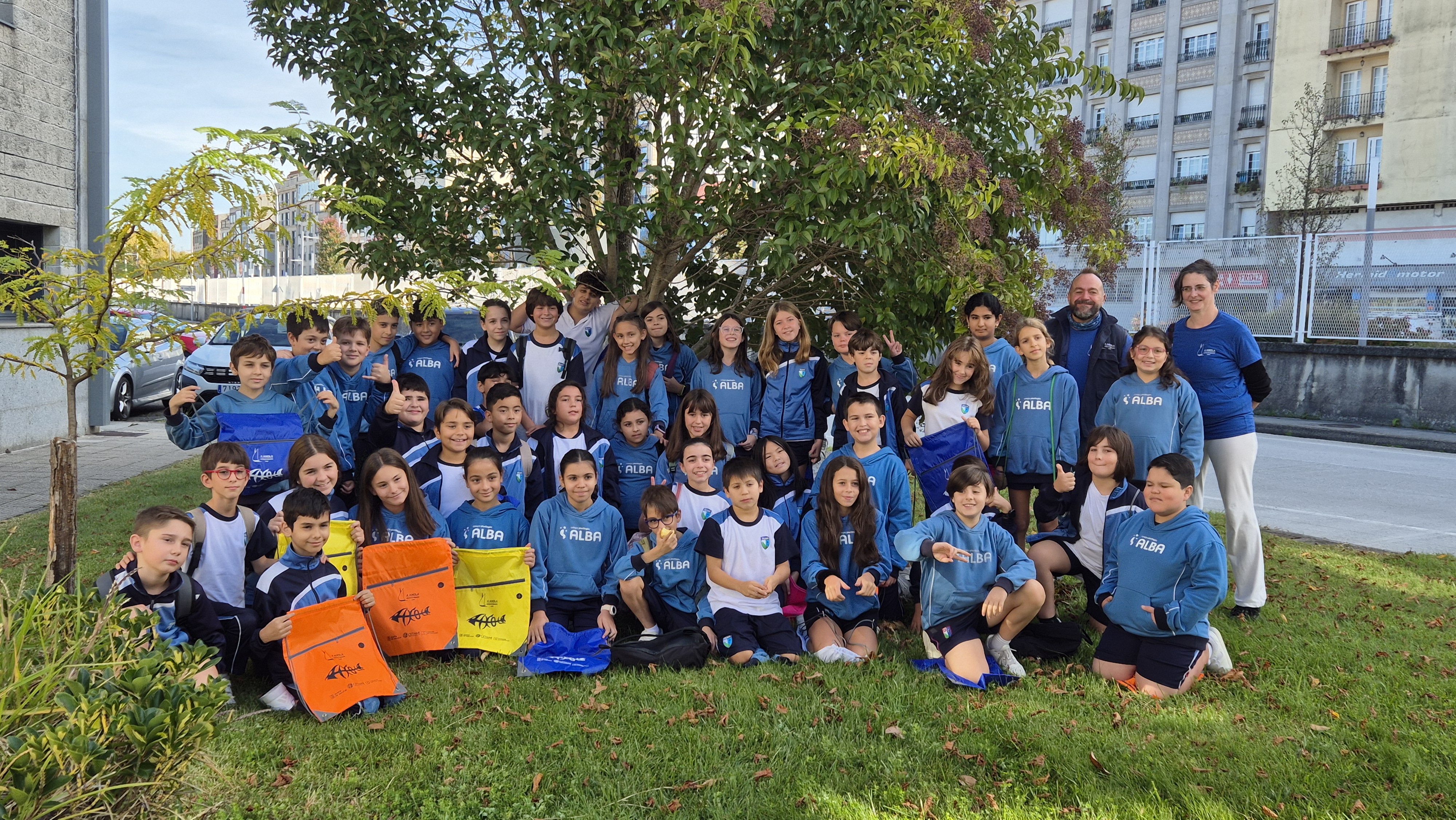
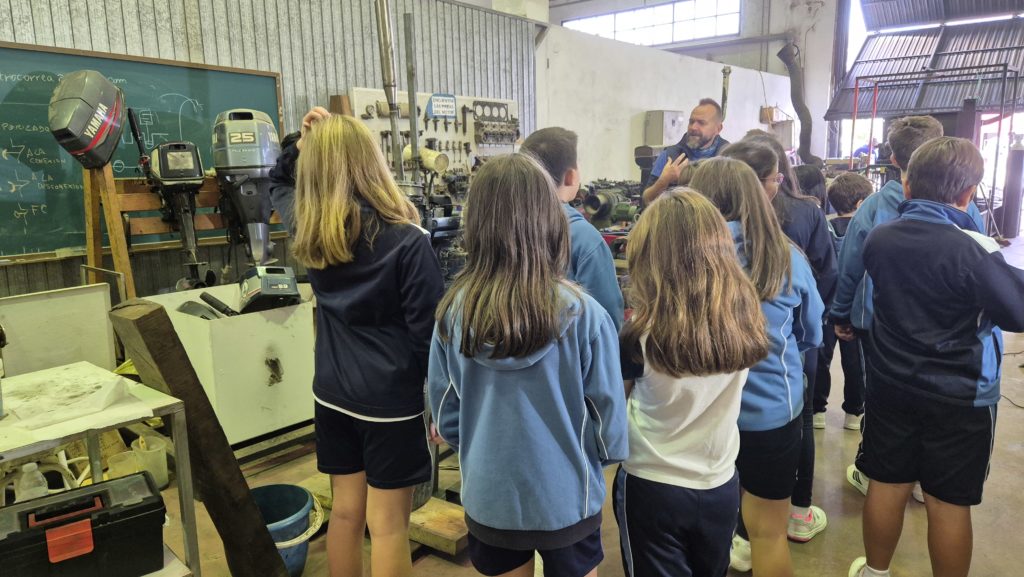
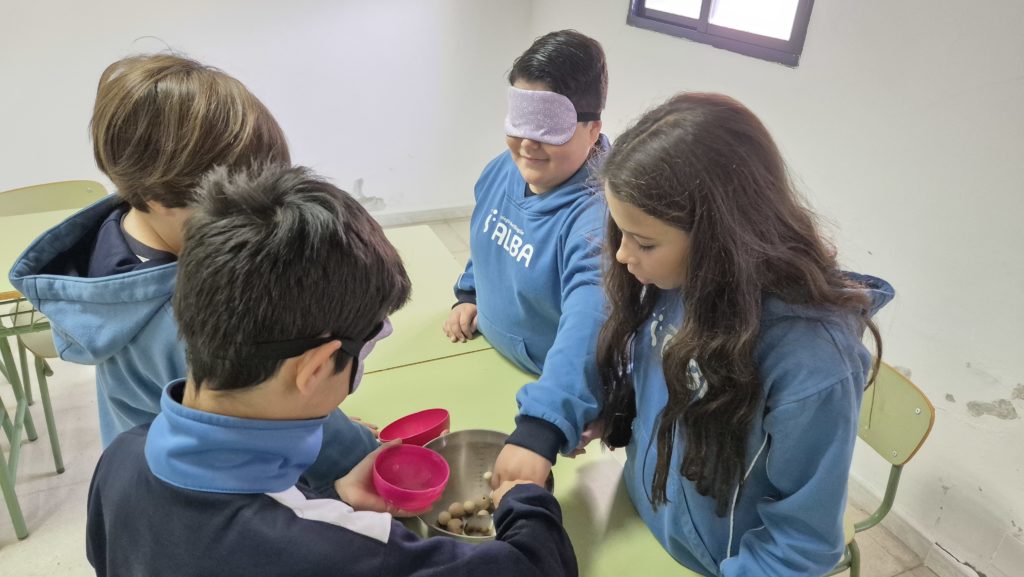
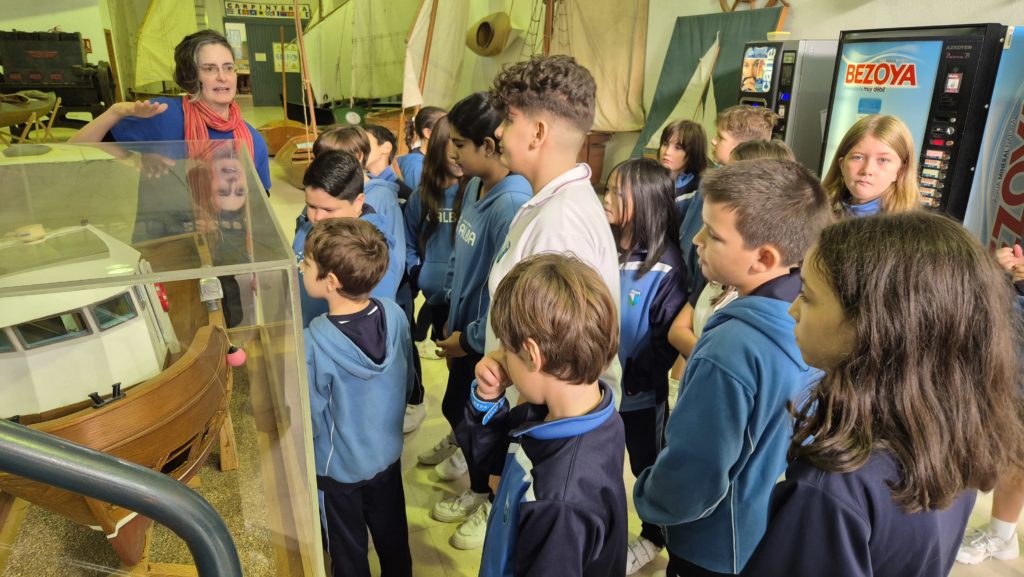
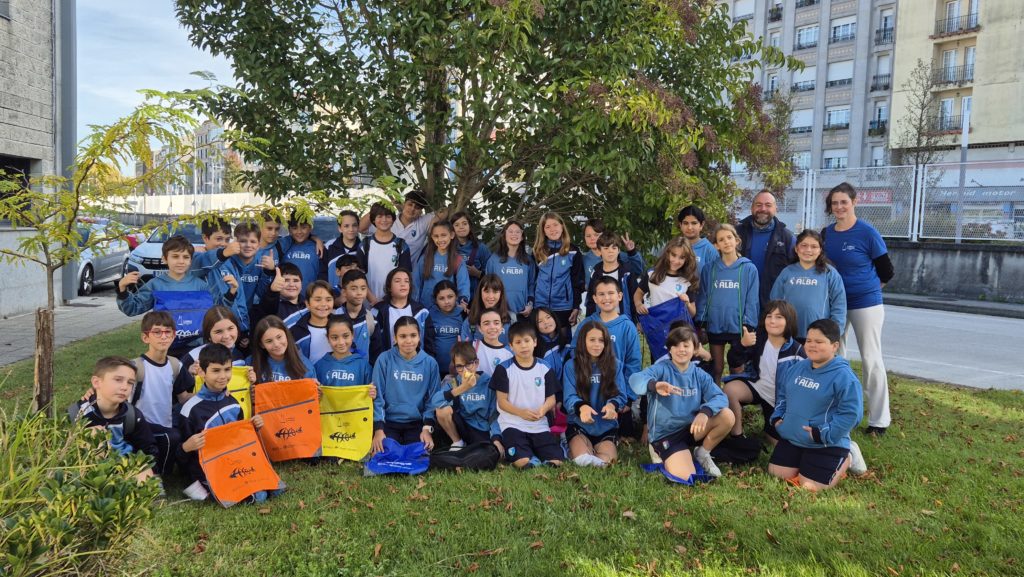
With regard to environmental education, the project developed initiatives to raise public awareness of the problems with plastic waste and emerging pollutants, and produced educational games, videos, publications, exhibitions and teaching materials, as well as organising outreach workshops and clean-up events along riverbanks.
A cooperation network of 68 organisations in Spain and Portugal
Collaboration between research centres, administrations, companies and other organisations – the very essence of CETMAR – was one of the cornerstones of BlueWWater. Within this framework, the NOR-WATER network (https://rednorwater.eu/), born out of the corresponding project, currently brings together 68 organisations from Spain and Portugal involved in the study and management of such pollutants.
The outcomes include a catalogue of skills and technological solutions from Galicia and northern Portugal, a database of projects and resources, a strategy to guide collaborative work, technical meetings, as well as workshops, and training activities on the challenges faced by wastewater treatment regulations and the presence of pollutants in different types of effluent.
Combining research, technology assessment, cross-border cooperation and environmental awareness, BlueWWater contributed to the development of knowledge and tools to tackle the challenges posed by microplastics and other pollutants in wastewater and aquatic ecosystems.
The project (https://bluewwater.eu/) funded by POCTEP, the European Union’s Galicia–Northern Portugal Cooperation Programme 2021–2027, involves, alongside CETMAR, the Institute for Aquatic Research for Global Health (iARCUS) at the University of Santiago de Compostela; the INTECMAR Agency; the Faculty of Engineering and the Faculty of Sciences at the University of Porto; Águas e Energia do Porto, EM; the IEO-CSIC; the Aquamuseu do Río Minho-CM Vila Nova Cerveira; CIIMAR; the CETAQUA Foundation; and the CMIA-CM Viana do Castelo.