CETMAR and representatives of the small-scale fisheries of northern Galicia analyse in Burela the effects of marine conservation and planning measures
- Together with the University of Oviedo and the IEO/IEO-CSIC, CETMAR is facilitating dialogue at the first working meeting for the Galicia pilot project, included in the ESPARDE project.
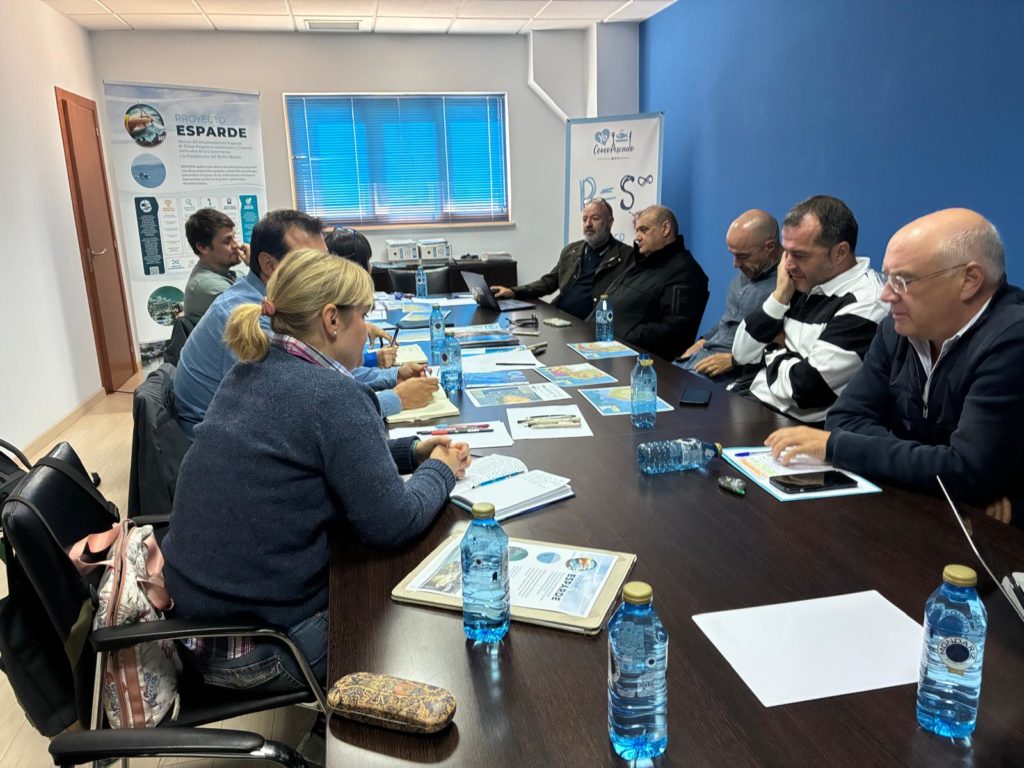
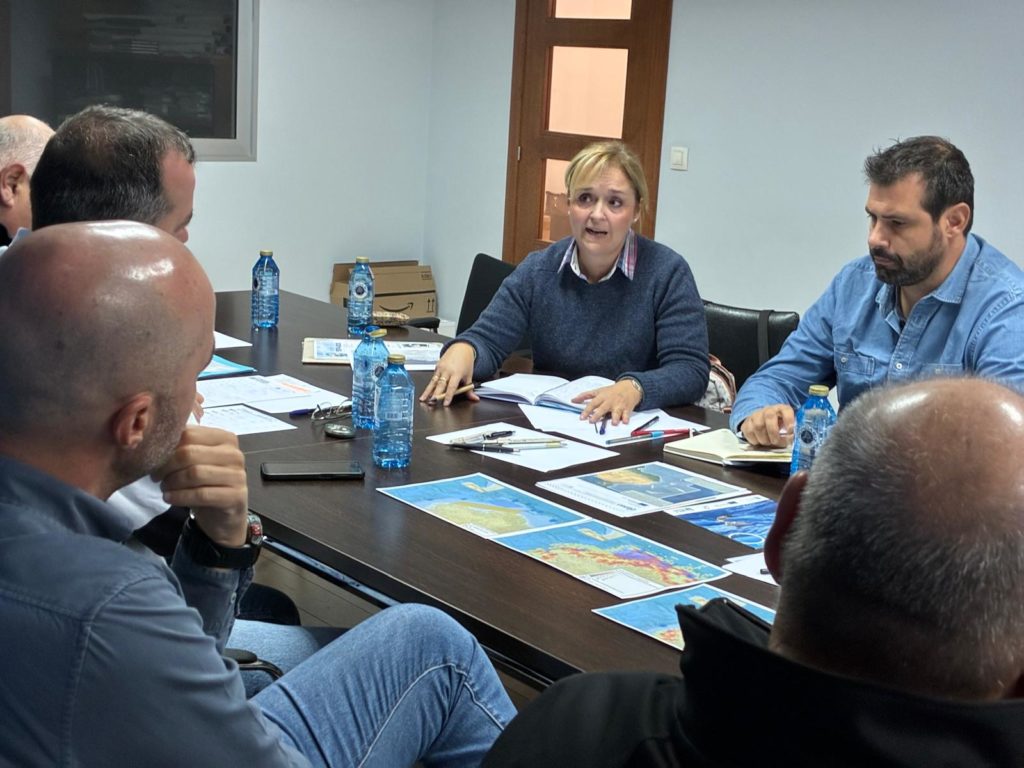
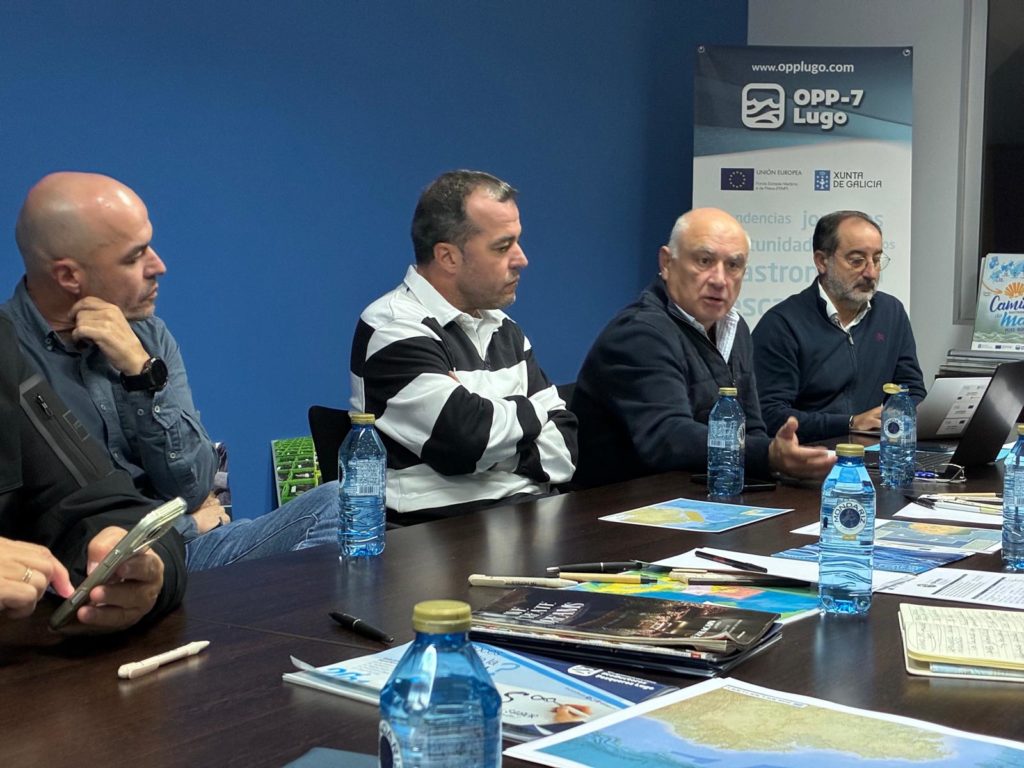
Representatives from the fishing industry and organisations involved in ESPARDE– ‘Effects of the spatial displacement of small-scale and coastal fishing fleets as a result of marine conservation and spatial planning’ – met today at the headquarters of the Lugo Fishers’ Producers’ Organisation in Burela, to discuss on the effects of marine conservation and planning measures on small-scale fishing fleets in northern Galicia.
The session, organised by CETMAR, dependant of the Regional Ministry of the Sea, set the foundations for ongoing collaboration between researchers and the industry. This first meeting of the Galicia pilot project gathered, in addition to some project partners, the president of the Provincial Federation of Fishers’ Associations of Lugo, Basilio Otero; the manager of the Burela OPP, Sergio López; and representatives from the trawl and purse seine fisheries
After a welcome and an overview of the fishing industry in Galicia by Jose L. Santiago, coordinator of the CETMAR’s Fisheries Socio-Economics unit, Laura García de la Fuente, coordinator of ESPARDE and a researcher in Applied Economics at the University of Oviedo, presented the project and its scope, along with three pilot cases: in Asturias, Cantabria and Galicia. Next, Marta Ballesteros, a senior scientist at the IEO/IEO-CSIC, laid the foundations for collaboration between researchers and the industry, describing the specific case of Galicia and initiating a discussion that highlighted the needs of fishers and vessel owners.
The Galician ESPARDE pilot project covers the North Atlantic zone, to study the impacts from the coexistence of Vulnerable Marine Ecosystems (VMEs) and the uses defined in the Maritime Spatial Plan. Among other, they talked about the priorities and concerns of the fleets. Given that the study area in Galicia includes zones with potential for offshore wind energy (NOR2, NOR3 and NOR4), particular emphasis was placed on these.
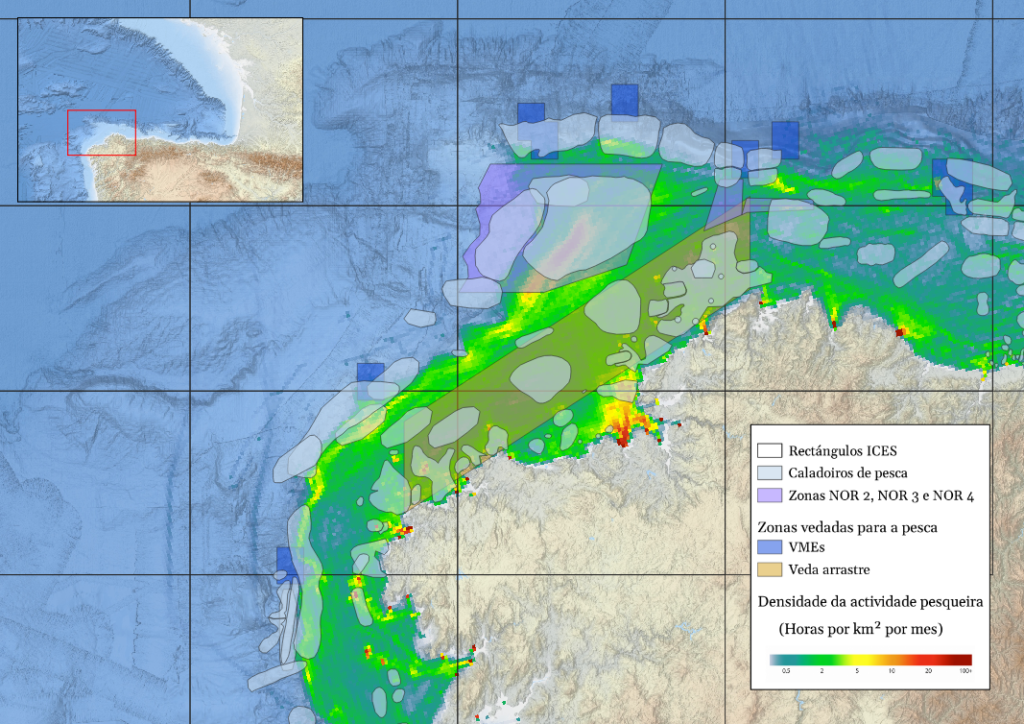
In this context, CETMAR and its partners focused on ESPARDE’s potential to generate evidence applicable to the industry’s needs thus responding to its operational and socio-economic situation. They stressed the sector active collaboration with first-hand data and information, allowing for the prediction of short- and medium-term scenarios and, consequently, improving the analysis, assessment and management of potential relocations and spatial restrictions.
Industry representatives highlighted the main problems they are facing, such as the cost of fuel, temporary or permanent fishing bans, and the future of offshore wind power.
They also emphasised the highly variability of Galician fleets’ movements, since a vessel can be in a different location in less than 24 hours. This means that if the socio-economic impacts of these movements can be measured, the authorities will be confronted with data going beyond the number of landings (times, productivity, vessels concentration in a given area, etc.), enabling informed decisions with less impact on the sector.
At the end , it was agreed to hold further meetings to collect data, discuss progress on ESPARDE – described as ambitious and promising – and propose appropriate management measures.
ESPARDE Project
As part of the Pleamar 2025 Programme, the ESPARDE project analyses how measures to protect and manage the marine environment influence the relocation of small-scale and coastal fisheries in the Cantabrian Sea, and the sustainability of fishing communities. The aim is to gain a better understanding of the social, economic and environmental effects of the relocation of small-scale fleets as a result of spatial restrictions in fishing grounds.
ESPARDE focuses on vessels based in Galicia, Asturias and Cantabria, particularly those operating in areas subject to current or future restrictions. The project addresses one of the main challenges of fisheries policy: how conservation measures alter fishing patterns and shape the activity of small-scale fleets.