Monthly Archives

December 2025

Marine Sciences Programme

By | What's new | No Comments

The Marine Sciences Programme faces its final phase with a commitment to ensuring the continuity of scientific cooperation

  • The final phase of the programme opens a process of reflection on how to keep alive the scientific network created around the sea in Galicia.
  • The continuity of the programme, which is funded by the Consellería do Mar, includes, among other avenues, the creation of a Scientific Reflection Forum on Marine Sciences in Galicia.
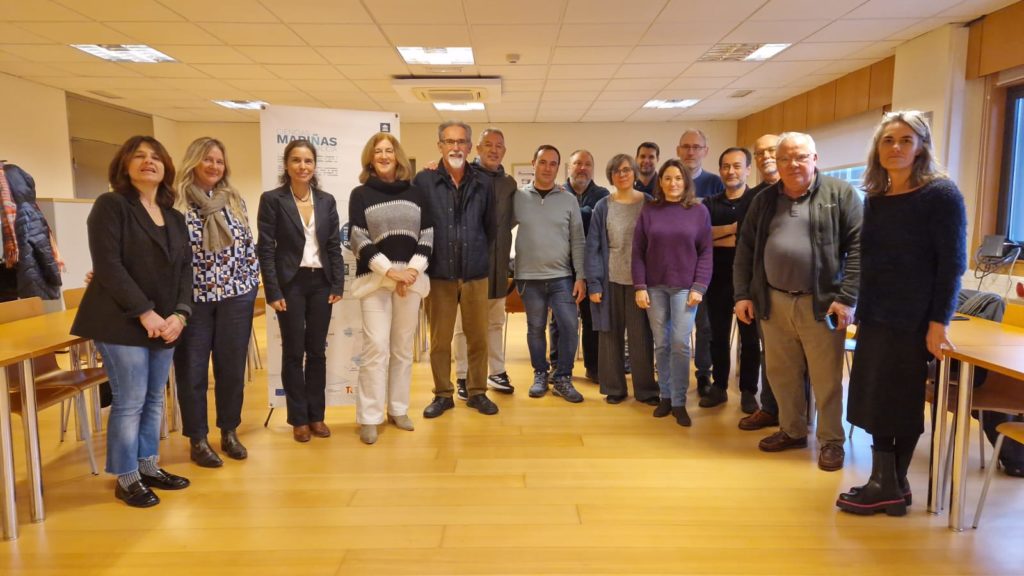
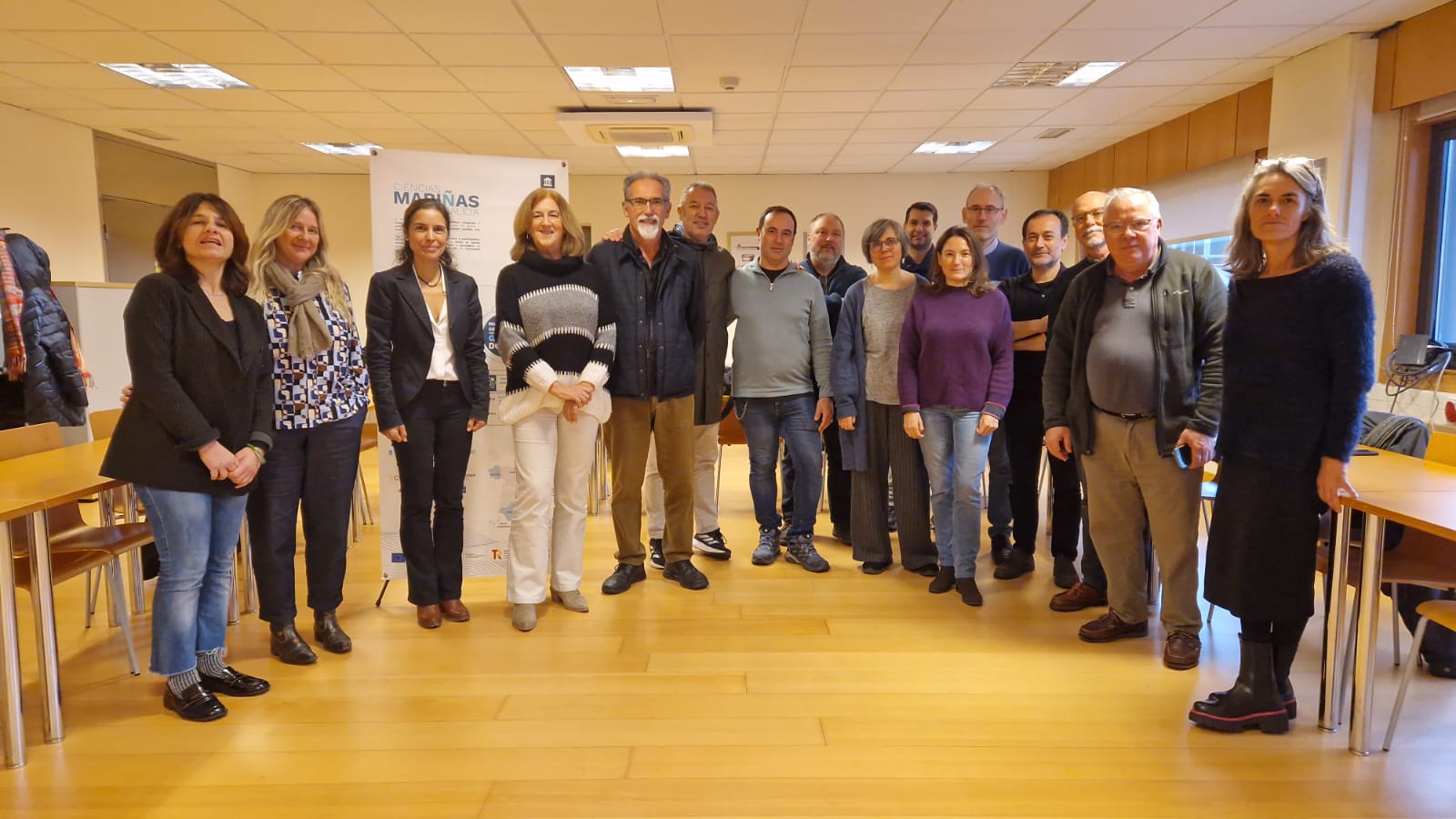
The Marine Sciences Programme of Galicia, one of the most ambitious research and innovation initiatives related to the sea developed in the region in recent years, is entering its final phase with the aim of preserving and strengthening the network of scientific and technical cooperation generated during its implementation. To this end, the programme’s coordination team met this Tuesday at the Marine Technology Centre – Cetmar Foundation to reflect on its impact and on possible ways to ensure the continuity of the collective effort driven from Galicia.

Framed within the Complementary Plans of the Spanish Ministry of Science and Innovation, in the context of the Recovery and Resilience Mechanism (Next Generation EU), the Marine Sciences Programme of Galicia is part of the national Joint Marine Sciences Programme, involving collaboration between Galicia, Andalusia, Cantabria, the Region of Murcia, the Canary Islands, the Balearic Islands and the Valencian Community. The Consellería do Mar of Galicia financed CETMAR’s coordination responsibilities with €4,000,000.

Since 2022, the programme has helped to structure the Galician scientific and technical ecosystem linked to the sea through collaboration among universities, research centres, technological institutes and public administrations, as well as through continuous dialogue with the marine and coastal sector. The aim is to deploy a coordinated research and innovation strategy to address key challenges such as marine monitoring and observation, climate change, aquaculture and other areas of the blue economy. In total, 363 researchers and technical staff took part, belonging to 82 research groups from 13 institutions.

The results achieved are reflected in 184 scientific and technical solutions and advances, with direct or potential application in the sustainable management of the marine environment and resources. One of the most notable elements of the programme was its contribution to strengthening human capital. A total of 117 people were directly hired, incorporating new PhD holders who worked collaboratively and across institutions—an experience that is expected to continue in future dynamics of scientific cooperation in Galicia.

During the meeting held at Cetmar, those responsible for coordination agreed that an effort of this scale should not fade once the programme ends. The networking work carried out over these three years has contributed to a more efficient system, capable of responding to the country’s needs without giving up on fundamental research, whose results may materialise in the medium and long term.

In view of the current uncertainty regarding funding mechanisms that would allow both the work and the collaborative structure itself to be maintained, participants committed to meeting again in the short term to design, as a legacy of the programme, the creation of a Scientific Reflection Forum on Marine Sciences in Galicia. This forum is conceived as a consultative and coordinating space to facilitate systematic information exchange among specialists, joint action planning and the preparation of coordinated responses to strategic calls, with the aim of attracting resources to ensure continuity and strengthen links between the research community and other organisations with interests in the sea, promoting a sustainable relationship with the marine environment and its resources.
1st Forum of the Galician Blue Economy Strategy

By | What's new | No Comments

Galicia Promotes Its Blue Economy Strategy at the Blue Atlantic Forum in Baiona

Baiona will host the fourth edition of the Blue Atlantic Forum (BAF) from November 12 to 14, the leading blue economy event in the Atlantic Arc. The forum will bring together European experts, institutions and companies to discuss innovation, sustainability and the development of the sea as an economic driver. As a major highlight, the 1st Forum of the Galician Blue Economy Strategy will be held, promoted by the Regional Ministry of the Sea.

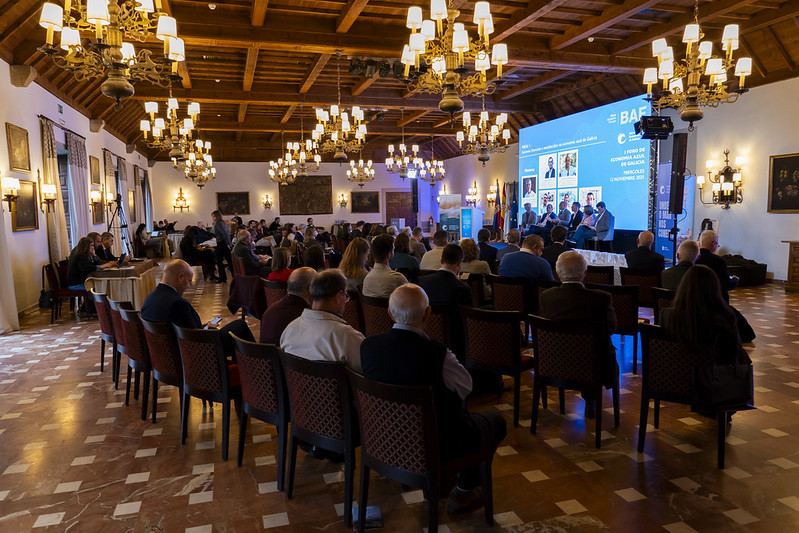
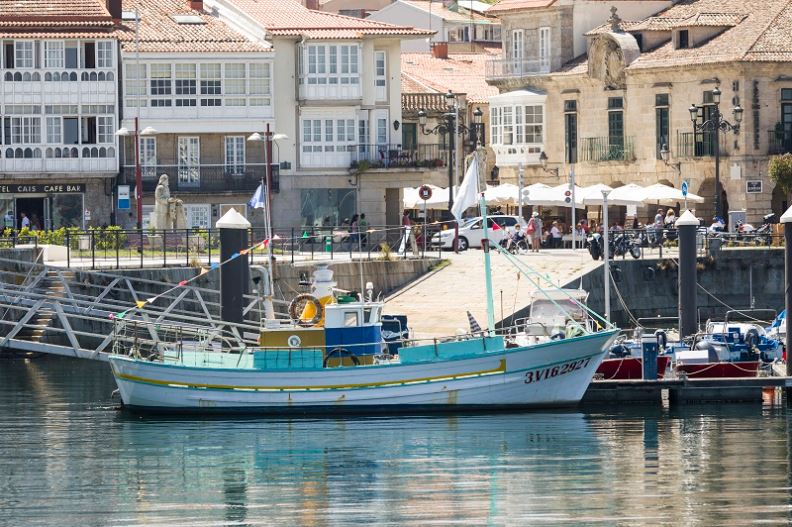
From November 12 to 14, 2025, Baiona will become the meeting point for the Atlantic blue economy with the celebration of the 4th edition of the Blue Atlantic Forum (BAF) at the Parador de Baiona. This event, now established as a European benchmark, will bring together institutions, companies, researchers and students committed to the sustainable development of marine and coastal resources.

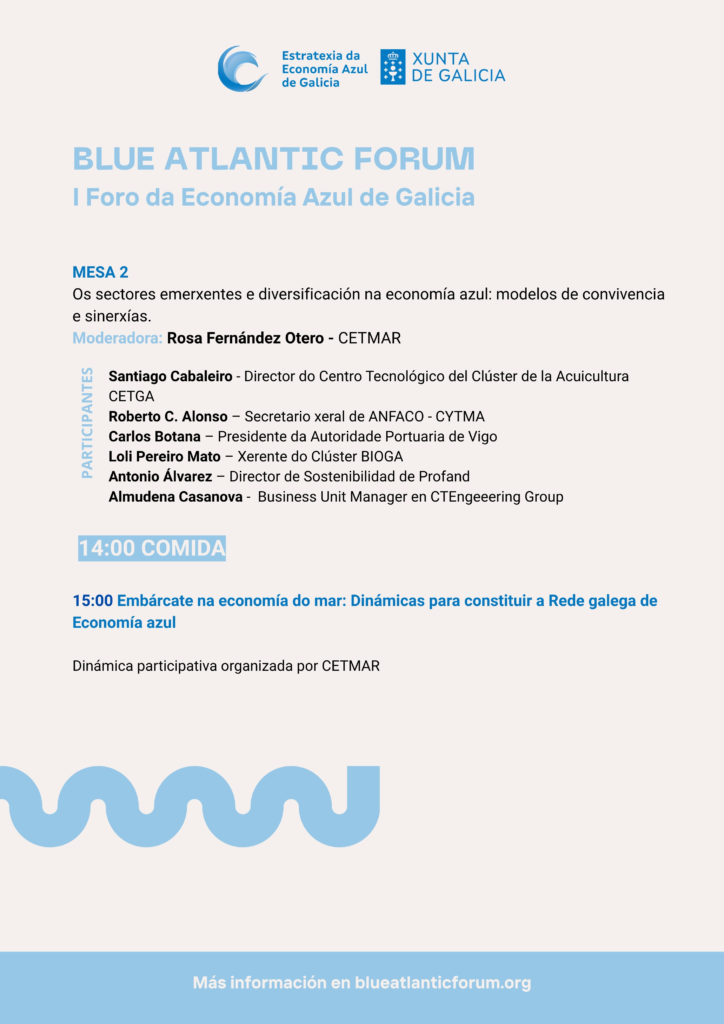
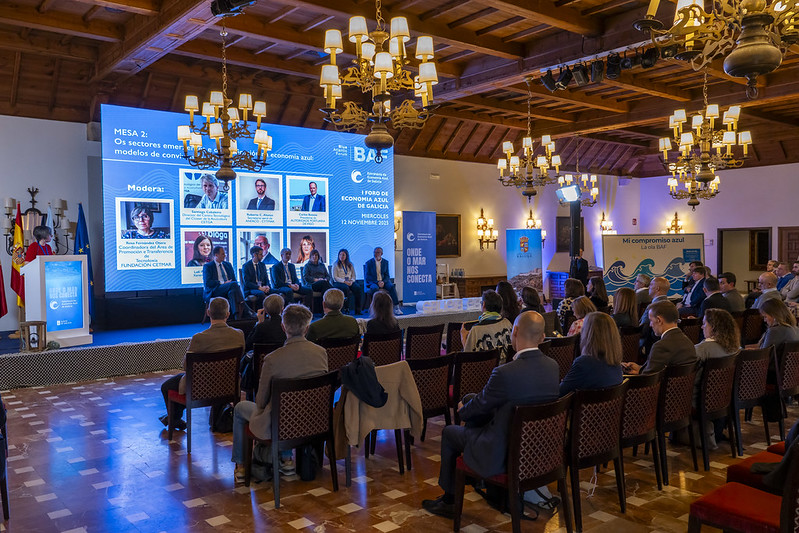
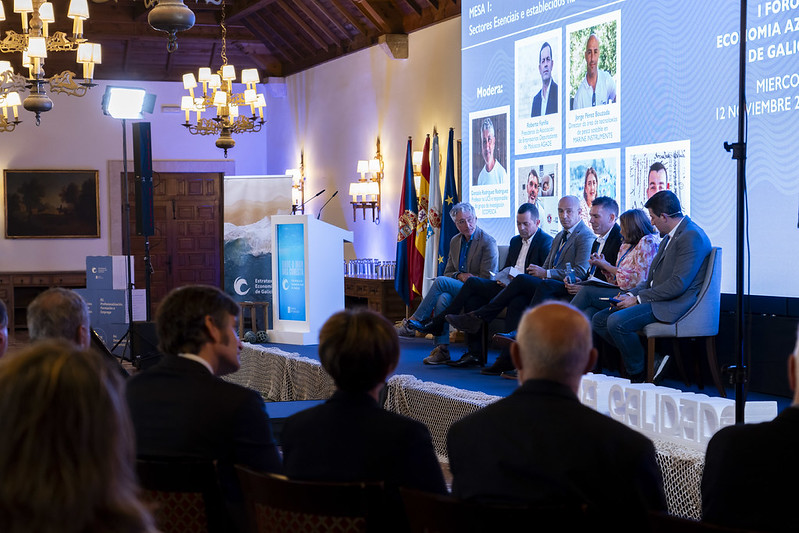
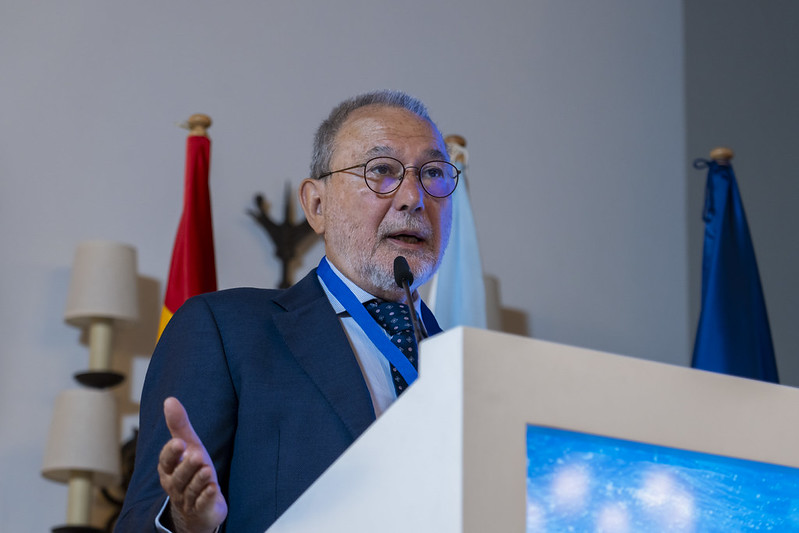
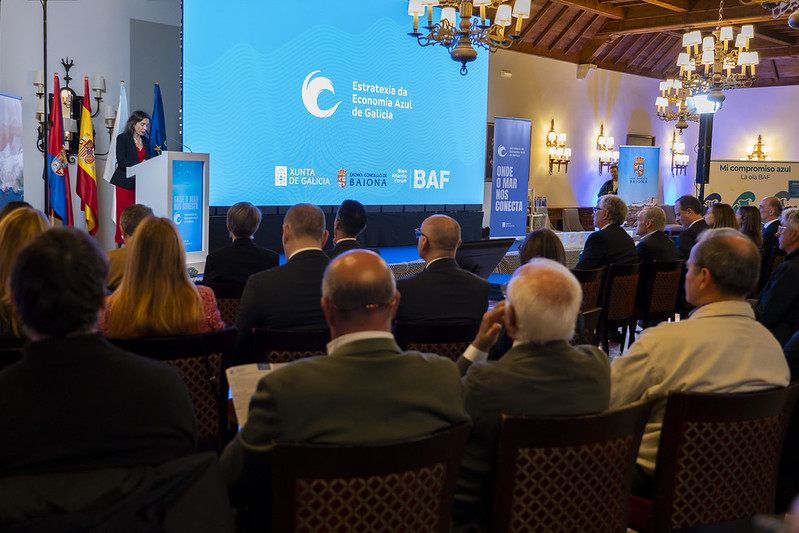
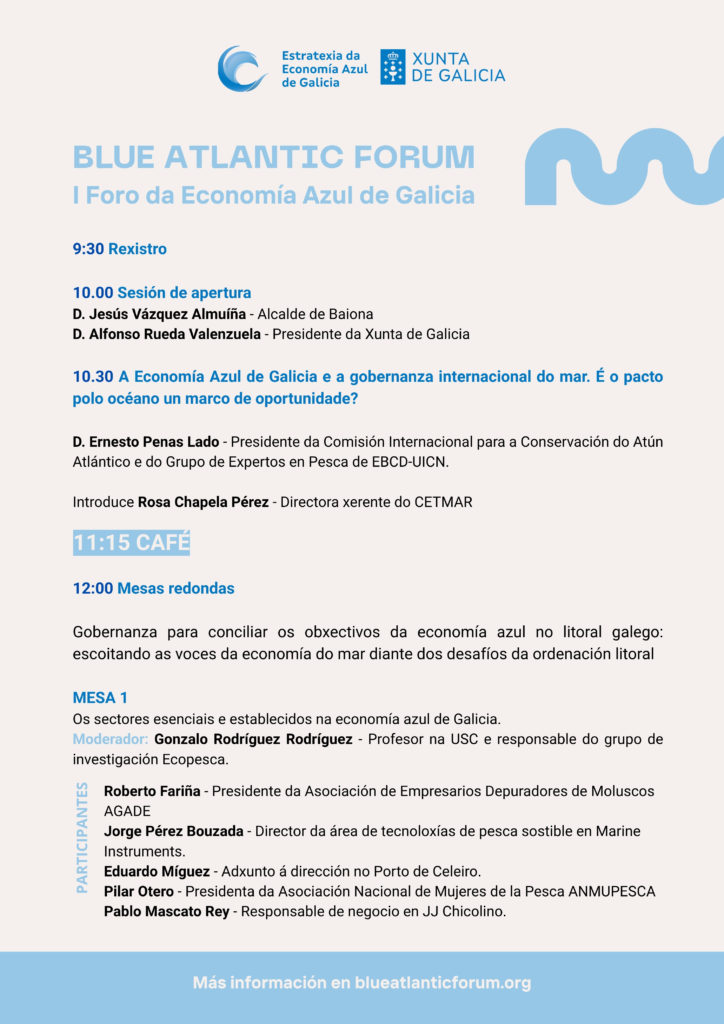
As a key new feature, this year’s edition will host on its first day the 1st Forum of the Galician Blue Economy Strategy, promoted by the Regional Ministry of the Sea of the Government of Galicia and CETMAR. This new space aims to strengthen the governance of sea-related activities in the region by fostering cooperation between public policies, scientific research and the private sector. The forum includes an opening keynote by expert Ernesto Penas Lado on international ocean governance, two round tables dedicated to traditional and emerging blue economy sectors—with representatives from fisheries, aquaculture, biotechnology and ports—and a participatory session organized by CETMAR to promote the creation of the Galician Blue Economy Network.

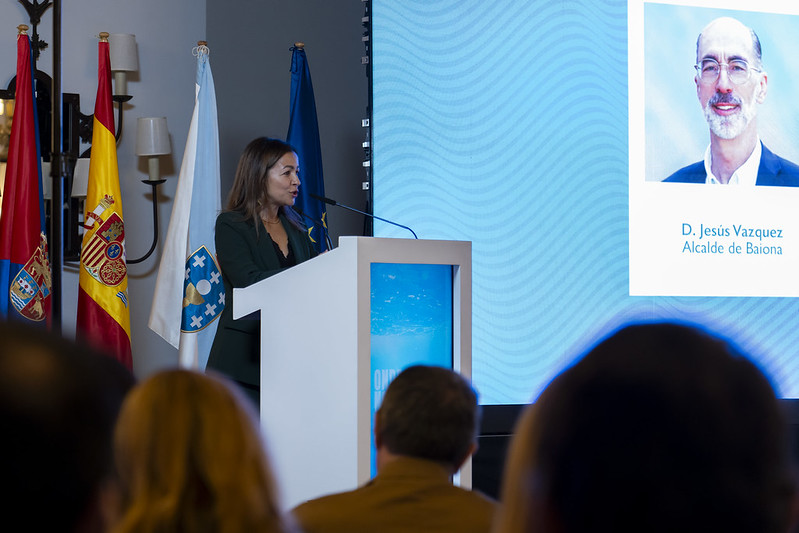
The opening session will be attended by the Regional Minister of the Sea, the President of the Government of Galicia, the Mayor of Baiona and representatives of the Port of Vigo, and will focus on the progress and priorities of the Galician Blue Economy Strategy. Galicia, with its strong maritime tradition and marine-based productive fabric, presents itself as a reference territory and a living laboratory for blue development.

The Blue Atlantic Forum has become a key platform for interregional cooperation within the Atlantic Arc, addressing the challenges and opportunities of a sector ranging from fisheries and aquaculture to marine biotechnology, renewable energies, coastal tourism and maritime transport.

International recognition also supports this event: the previous edition was distinguished by the organization Green Destinations as one of the Top 100 Responsible Tourism Initiatives worldwide, for its contribution to sustainable tourism and the promotion of Atlantic values as a space of innovation and environmental respect.

BAF 2025 combines in-person and online formats, facilitating the participation of speakers and attendees from different countries and sectors.
More information and registration: www.blueatlanticforum.org

Blue Atlantic Forum

By | What's new, What's new | No Comments

Galicia Promotes Its Blue Economy Strategy at the Blue Atlantic Forum in Baiona

Baiona hosted the fourth edition of the Blue Atlantic Forum (BAF) from November 12 to 14, the leading blue economy event in the Atlantic Arc. The forum brought together European experts, institutions and companies to discuss innovation, sustainability and the development of the sea as an economic driver. As a major highlight, the 1st Forum of the Galician Blue Economy Strategy was held, promoted by the Regional Ministry of the Sea.

From November 12 to 14, 2025, Baiona became the meeting point for the Atlantic blue economy with the celebration of the 4th edition of the Blue Atlantic Forum (BAF) at the Parador de Baiona. This event, now established as a European benchmark, brought together institutions, companies, researchers and students committed to the sustainable development of marine and coastal resources.

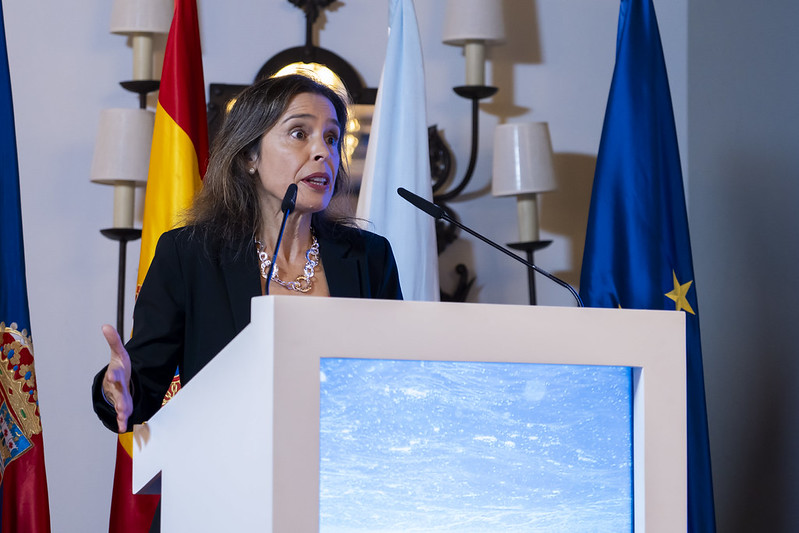
As a key new feature, this year’s edition included on its first day the 1st Forum of the Galician Blue Economy Strategy, promoted by the Regional Ministry of the Sea of the Government of Galicia and CETMAR. This new space aims to strengthen the governance of sea-related activities in the region by fostering cooperation between public policies, scientific research and the private sector. The forum featured an opening keynote by expert Ernesto Penas Lado on international ocean governance, two round tables focused on traditional and emerging blue economy sectors—with representatives from fisheries, aquaculture, biotechnology and ports—and a participatory workshop organized by CETMAR to promote the creation of the Galician Blue Economy Network.

The opening session was attended by the Regional Minister of the Sea, the President of the Government of Galicia, the Mayor of Baiona and representatives of the Port of Vigo, and focused on the progress and priorities of the Galician Blue Economy Strategy. Galicia, with its strong maritime tradition and marine-based productive fabric, presents itself as a reference territory and a living laboratory for blue development.

The Blue Atlantic Forum has become a key platform for interregional cooperation within the Atlantic Arc, addressing the challenges and opportunities of a sector that ranges from fisheries and aquaculture to marine biotechnology, renewable energies, coastal tourism and maritime transport.

International recognition also supports this event: the previous edition was distinguished by the organization Green Destinations as one of the Top 100 Responsible Tourism Initiatives worldwide, for its contribution to sustainable tourism and the promotion of Atlantic values as a space of innovation and environmental respect.

BAF 2025 combines in-person and online formats, facilitating the participation of speakers and attendees from different countries and sectors. More information and registration: www.blueatlanticforum.org


Training in Peru

By | What's new | No Comments

CETMAR promotes in Peru the improvement of seed production and the strengthening of technical capacities among aquaculture producers

The MAR Piura project is funded by Galician Cooperation and implemented by CETMAR in coordination with PRODUCE, FONDEPES and the Social Organizations of Fishers and Aquaculture Producers (OSPAS) of Sechura.
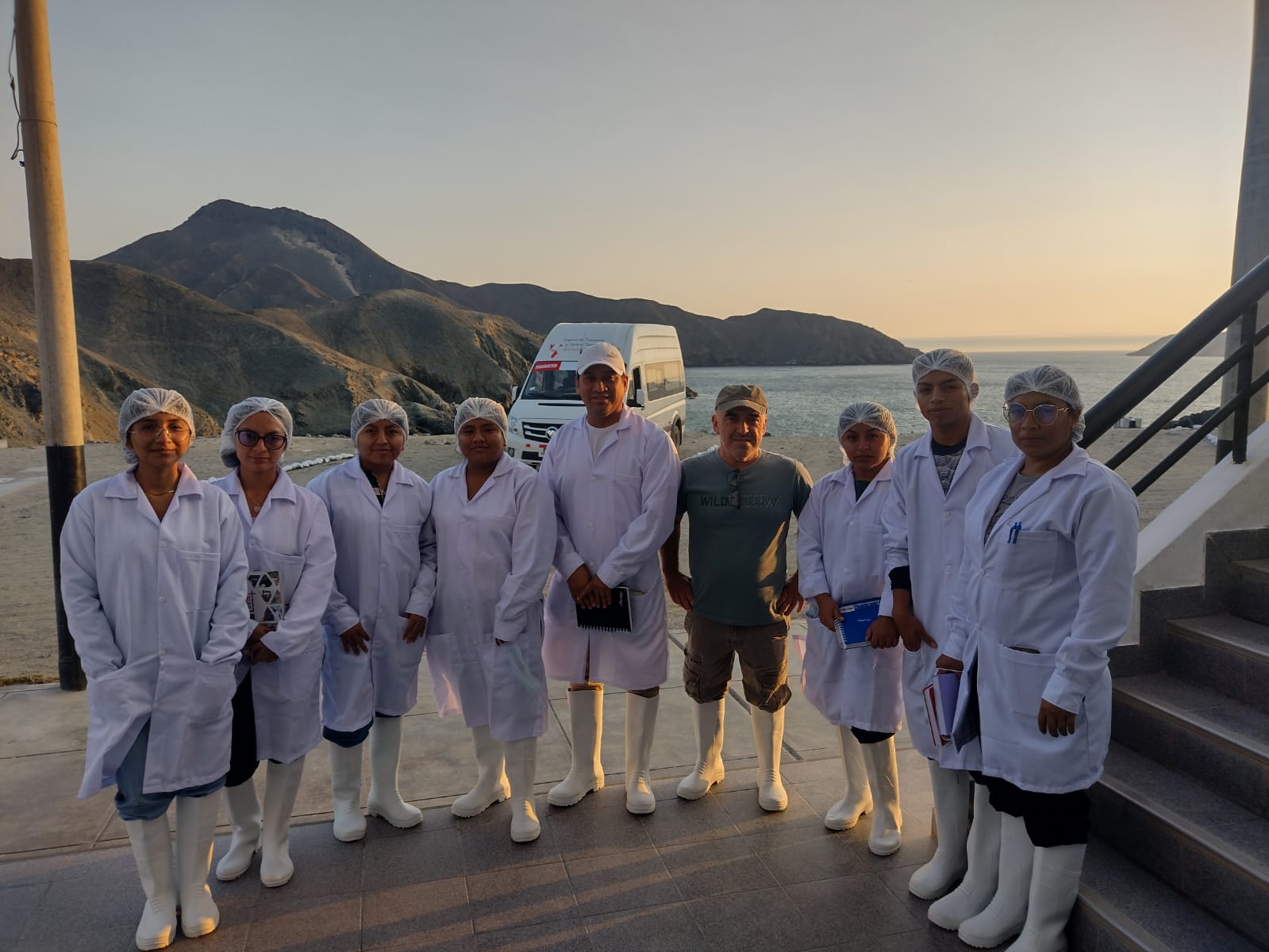
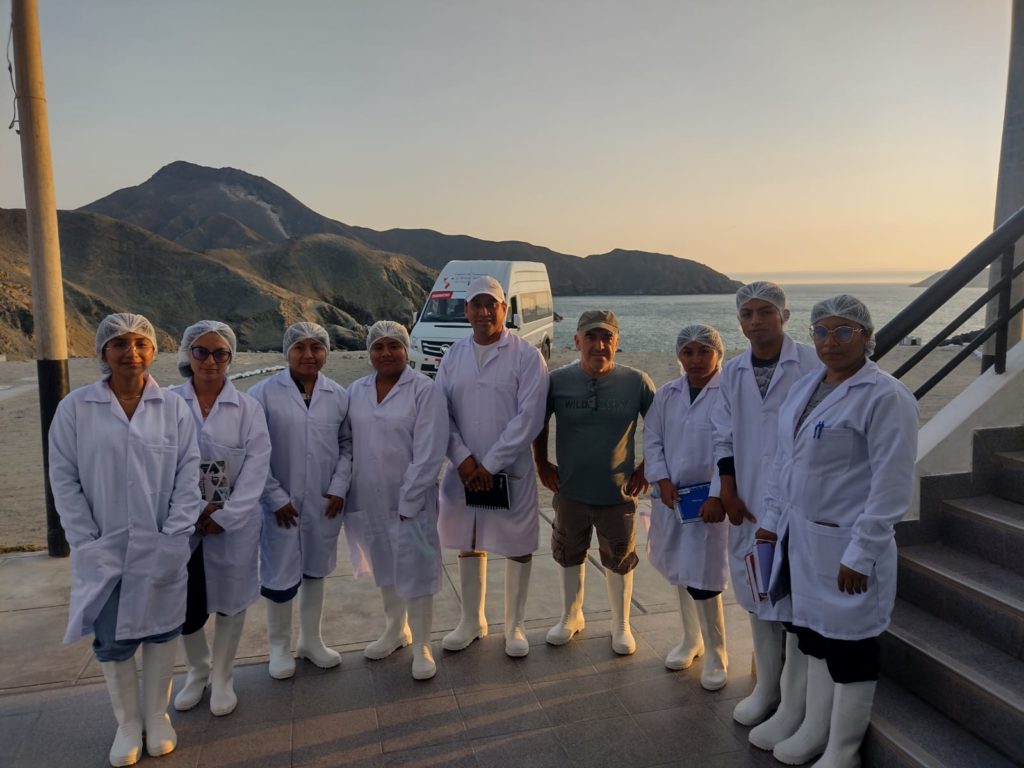
The first training course will take place from December 1 to 5 at the La Arena Aquaculture Center, in Casma, Peru.

The Marine Technology Center – CETMAR Foundation, within the framework of the Galician Cooperation policy of the Xunta de Galicia, is promoting the MAR Piura project in Peru, an international cooperation initiative aimed at increasing the sustainability of the value chain associated with fisheries and aquaculture in the Piura region. The program is implemented in coordination with the Peruvian Ministry of Production (PRODUCE) and the National Fisheries Development Fund (FONDEPES), with the aim of strengthening business initiatives located in Sechura Bay and reinforcing governance mechanisms to enhance their capacity to adapt to the effects of climate change.

The project is structured around three main lines of action. The first focuses on improving the scallop production chain in Sechura Bay by strengthening the technical capacities of OSPAS for seed production and management in laboratories, enabling progress towards more efficient and climate-resilient farming systems.

The second line focuses on strengthening women-led marketing processes, supporting their professionalization in order to reduce their economic vulnerability. Finally, the third line of action is centered on institutional strengthening, promoting the training of technical staff from public entities linked to aquaculture and marine tourism, as well as fostering coordination spaces that enable the formulation of production models and experiential tourism initiatives consistent with environmental conservation and the economic diversification of the region.

First project action: technical training for OSPAS in Casma from December 1 to 5

As the first operational milestone of the intervention, an intensive training course will be held from December 1 to 5 for OSPAS technicians on protocols for maintenance, cleaning and optimization of the scallop production cycle during the hatchery and pre-grow-out phases. This action seeks to reduce dependence on natural seed collection, which is increasingly affected by climate change.

Representatives from the OSPAS AREMAR, Sec Yurac and Aquaseed will participate, along with students from the Ricardo Ramos Plata Institute of Sechura, selected for their strong interest in moving towards a more sustainable seed supply system.

Throughout the sessions, participants will delve into broodstock selection and conditioning, phytoplankton culture, and systematic water quality control. Protocols for cleaning, disinfection and health prevention will also be addressed, as well as techniques for handling and managing larvae and seed.

Another key aspect to be addressed is the standardization of the different stages of laboratory cultivation and the proper recording and analysis of production data, with the aim of ensuring more efficient and standardized processes.

Photo album update of the training